Concerned about washing your EV with the charger plugged in? Many owners worry about water and electricity mixing.
It is generally not recommended to wash your EV while it charges. Modern safety systems make shock risk very low, but water can enter the open charging port and cause problems. Unplug first for best protection and peace of mind.
As Jacky Huang, general manager at XIAMEN PARWATT NEW ENERGY TECHNOLOGY CO.,LTD, I help many customers with safe charging habits. I work with charge point operators, fleet operators, and real estate developers every day. Read on to separate myths from facts and learn simple steps that protect your vehicle.
Is It Safe to Wash Your EV While Charging?
Wonder if water and charging mix safely? New EV owners ask this question often.
Modern EVs have strong safety features that prevent shock. However, experts advise unplugging before you wash. This simple step avoids any risk to the charging port.
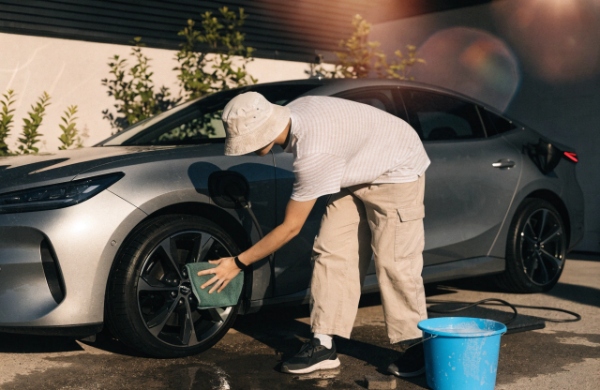
I remember one fleet customer in Australia who washed while charging and later saw minor port corrosion. After we switched to unplug-first habits, issues stopped completely.
EV makers design cars with excellent isolation and ground fault protection. These systems cut power fast if needed. Still, the open port stays vulnerable to water. I talk with many B2B partners about this topic. Automotive OEMs and energy utilities want clear answers. The direct answer is that shock risk stays almost zero because of full electrical isolation. High voltage parts stay separate from the cabin and exterior. Ground fault detection works instantly.
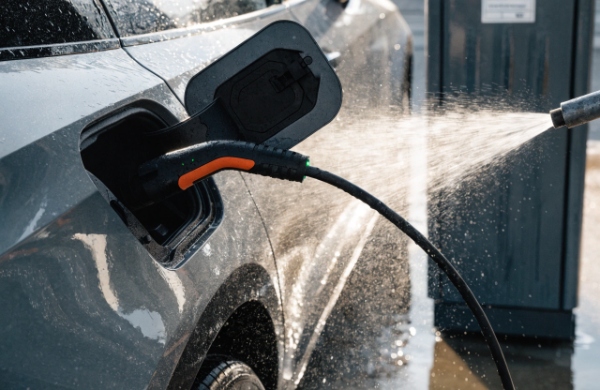
Yet the charging port itself usually rates IP44 when open. This means it handles light splashes but not high pressure or soap runoff. Water inside can lead to corrosion over time or temporary errors.
I supplied chargers to a retail chain in Germany. Their staff now unplug every time before wash days. This habit saves maintenance costs.
We review this table with wholesale customers:
| Factor | Safety Level | Recommendation |
|---|---|---|
| Electric Shock | Extremely low | Still unplug for caution |
| Port Water Ingress | Possible with pressure | Avoid direct spray |
| System Protection | Strong isolation and sensors | Unplug adds extra safety |
- Manufacturers like Tesla and others suggest unplugging.
- Public stations often have signs about this.
- Home setups give you full control to follow best practices.
From my experience with real estate developers who install chargers for tenants, clear rules reduce complaints. Sitting in the car or washing while plugged in raises small risks that unplugging removes completely.
Our EC01 wall charger makes unplugging easy with quick-release design. Check it here: EC01 Wall Charger. It includes smart monitoring so you know when to unplug safely.
Many owners now combine washing with charging breaks. They unplug, wash, then plug back in. This routine keeps everything clean and reliable. In 2026, EVs handle daily use well when you follow these simple steps.
Why the Myth Exists: Understanding EV Charging Ports and Water Resistance
Curious why people believe washing while charging is risky? The myth comes from real design details.
Charging ports use specific IP ratings for protection. They offer good resistance when closed but stay vulnerable when open. This creates the myth even though overall EV safety stays high.
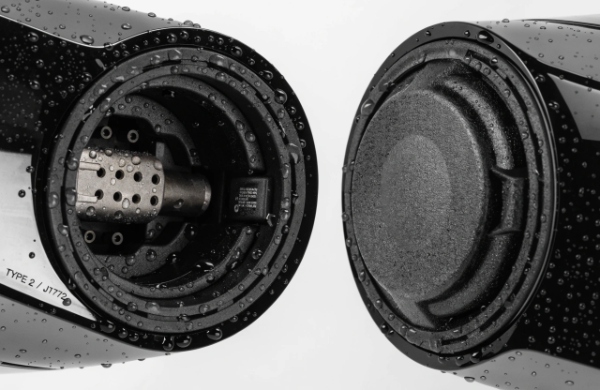
At Parwatt we test every connector for durability. I share these details with EV resellers and accessory wholesalers so they advise customers correctly.
Connectors lock securely and use seals. Electrical isolation keeps power safe. Yet manufacturers still recommend unplugging because the open port rating drops.
I explain this to many corporate clients and government municipalities. The myth started because early EVs had less advanced ports. People saw warnings and assumed danger.
Today ports reach IP67 when closed. This rating handles powerful water jets and short immersion. When open for charging, the rating falls to IP44 or similar. High pressure washers or automatic brushes can push water inside.
Soap and dirt make the situation worse because they conduct electricity slightly. This leads to possible corrosion or error codes.
Here is a clear table we use internally and with partners:
| Port State | IP Rating | Water Protection Level |
|---|---|---|
| Closed (Unplugged) | IP67 | High pressure and immersion |
| Open (Charging) | IP44 | Splash resistant only |
| During High Pressure | Not recommended | Risk of ingress |
- Seals around the port work hard but need help.
- Connector design includes drainage channels.
- Regular inspection prevents long-term issues.
One project with a hospitality chain showed that staff who understood these ratings made better decisions. They now unplug before every wash.
Read our blog for more on EV charging basics: AC vs DC EV Charging.
I always tell fleet operators that knowledge removes fear. The myth exists because of partial truths about port ratings. Full understanding lets you wash confidently after you unplug. Our portable chargers add flexibility for quick top-ups away from wash areas: EP01 Portable EV Charger.
Key Risks and Real-World Concerns
Worried about specific risks when water meets charging? Real incidents stay rare but deserve attention.
Water in the port can cause corrosion or error messages. High pressure increases the chance. Public stations add variables like shared equipment.
I hear these concerns from workplace clients and real estate developers who manage many vehicles. Quick action prevents most problems.
Shock risk remains almost zero thanks to safety systems. The bigger issues involve long-term port health and possible downtime.
Many CPOs and fleet operators ask me for honest data. Water ingress tops the list. Once inside, moisture mixes with road salt or soap and speeds corrosion. This leads to poor connections later.
High-pressure sprays push water past basic seals. Public stations see more wear because many people use them. One incident I know involved a damaged cable at a busy station. Water entered and caused a temporary fault.
Real statistics show very few shock cases. Most reports involve minor port cleaning needs after improper washing.
We share this table with energy utilities and integrators:
| Risk | Likelihood | Main Cause | Prevention |
|---|---|---|---|
| Water Ingress | Medium when open | Pressure or runoff | Unplug and close port |
| Corrosion | Low to medium over time | Soap and moisture | Dry thoroughly after wash |
| Error Codes | Occasional | Water on contacts | Inspect before reconnect |
| Shock | Extremely low | System isolation | Follow manufacturer advice |
- Automatic washes need car wash mode.
- Home pressure washers need distance from port.
- Children or pets stay safer when you unplug.
Last year I helped an automotive accessory wholesaler train their team. They now stock waterless wash products for charging stops. This reduces risks completely.
From real projects, I see that awareness turns small risks into zero problems. Always inspect and dry the port before you plug back in.
Home Charging vs Public Stations: What You Should Do
Does washing differ between home and public charging? Yes, control levels change the approach.
At home you manage everything easily. Public stations need extra care because of shared use and less control.
Our team supports both scenarios for different customers. I always recommend habits that fit each location.
Home setups let you unplug without worry. Public spots require quick checks and sometimes waiting until charge finishes.
I advise real estate developers on home installations and CPOs on public networks. Home charging gives privacy and control. You park in your garage, unplug, wash, and plug back. Our wall chargers make this routine simple.
Public stations bring more people and variables. Cables hang exposed. Other drivers may rush. Best practice is to finish charging, unplug, then wash elsewhere or use waterless methods.
Manufacturer recommendations stay consistent: unplug for home washes. For public fast charging, many suggest completing the session first.
Comparison table we review with fleet operators:
| Location | Best Action | Reason |
|---|---|---|
| Home Wallbox | Unplug then wash | Full control, easy access |
| Public DC Fast | Finish charge, unplug, wash | Shared equipment, higher traffic |
| Automatic Car Wash | Use car wash mode, unplugged | Sensors and port protection |
- Home users enjoy flexible timing.
- Public users benefit from quick visual checks.
- Both need dry port before reconnect.
One municipality project I supported installed our chargers with clear user instructions. Drivers now follow simple rules and report fewer issues.
See our full EV charger range for your setup: Parwatt EV Chargers. We also offer mobile solutions for on-the-go needs: Meta Mobile EV Charger.
Safe EV Washing Tips for 2026
Need practical steps for safe washing? Good habits make cleaning easy and risk-free.
Unplug first, use proper tools, and dry the port well. These actions protect your investment and keep charging reliable.
I share these tips with all our partners from wholesalers to government projects. Simple routines work best.
I give these exact steps to corporate clients and retail chains:
- Step 1: Always unplug the charger. This removes the main concern.
- Step 2: Close the port cover firmly.
- Step 3: Use two-bucket method or waterless spray to avoid runoff near the port.
- Step 4: Keep pressure washers at least one meter away and use wide spray.
- Step 5: Dry the port area with a clean microfiber cloth before you plug back in.
- Step 6: Check for error messages after reconnecting.
Waterless and rinseless washes become popular for charging stops. They clean without any water risk. Automatic washes work great once unplugged and in car wash mode.
Practical checklist we provide to customers:
- Unplug and close port before any wash.
- Use pH-neutral soap and soft brushes.
- Avoid direct spray on charging area.
- Dry port completely after washing.
- Inspect cable for wear regularly.
- Schedule washes during non-charging times.
Our LP series air pumps help with quick detailing too: LP8 Multi-Functional Car Air Pump.
I worked with a workplace client in California who implemented these tips across their fleet. Maintenance calls dropped and drivers stay happy. In 2026, these habits combine with better port designs for worry-free ownership.