

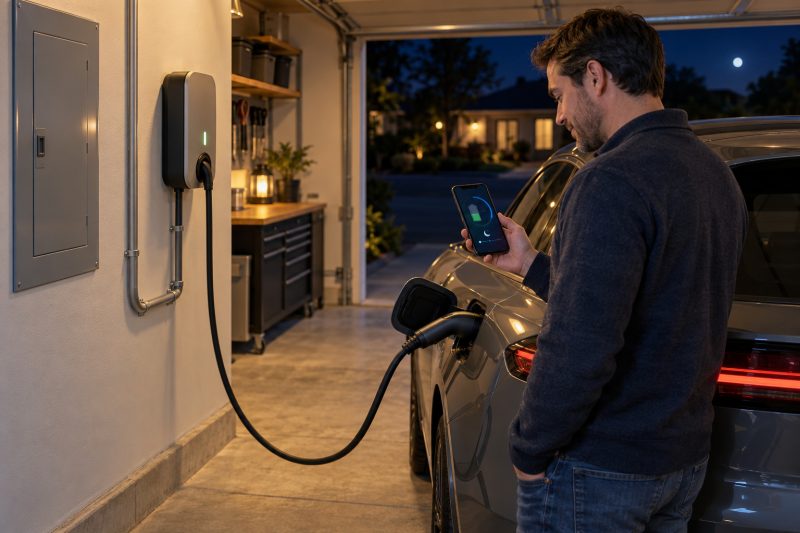
There is no single charging time for every EV on a 7kW home charger. Battery size, starting state of charge, target limit and the vehicle’s maximum AC input all change the result. At Parwatt I see owners expect one fixed number and then feel confused when their car takes longer or shorter than a neighbour’s.… Continue reading How Long Does a 7kW Home Charger Take to Charge an EV?
Archives: Blog
Do EV Chargers Stop Automatically When the Battery Is Full?

Many drivers worry that an EV will keep charging after the battery is full. In normal use the vehicle, the battery management system and the charging equipment work together to stop or sharply reduce power when the selected limit is reached. At Parwatt I still see confusion when the station stays powered or when a… Continue reading Do EV Chargers Stop Automatically When the Battery Is Full?
11kW vs. 22kW Home EV Chargers: Which One Should You Choose in 2026?
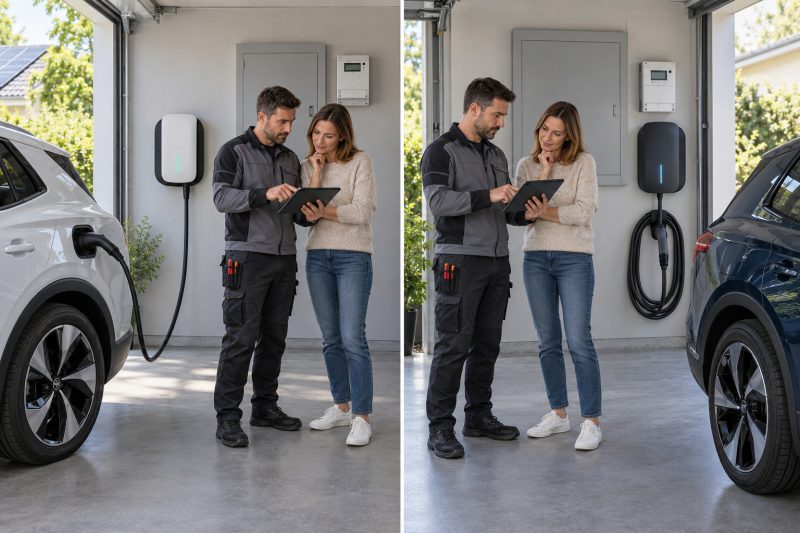
Many drivers assume a higher wallbox rating always means faster charging. A 22kW unit looks twice as powerful as an 11kW unit on paper. In practice the vehicle’s onboard charger, the home electrical supply and the real daily energy need often decide the speed. At Parwatt I see households pay for unused capacity when these… Continue reading 11kW vs. 22kW Home EV Chargers: Which One Should You Choose in 2026?
Is It Safe to Leave Your EV Plugged Into a Level 2 Charger Overnight?
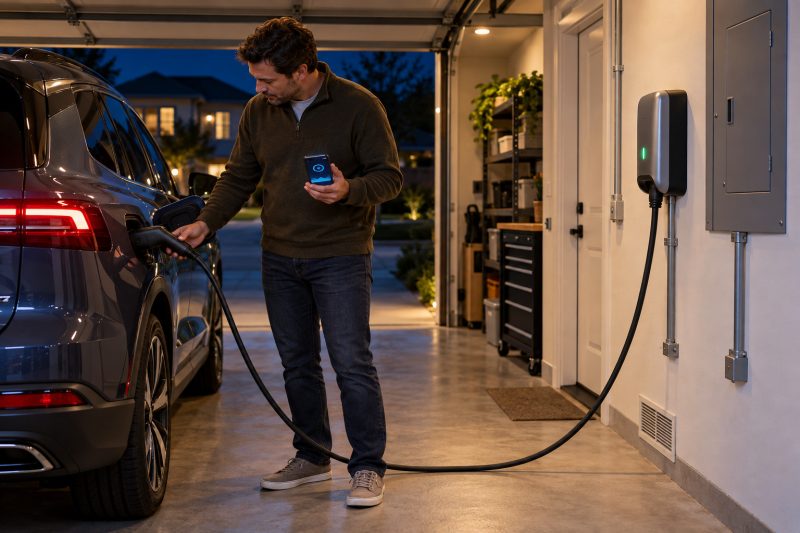
Many EV owners worry that overnight Level 2 charging will overcharge the battery, create excess heat, or start a fire. In normal conditions a compliant installation and the vehicle’s battery management system work together to control the session. At Parwatt I still see avoidable incidents when drivers use damaged cables, weak outlets, or uncertified equipment.… Continue reading Is It Safe to Leave Your EV Plugged Into a Level 2 Charger Overnight?
How to Choose a Reliable Automotive Electronics Manufacturer in China: A Buyer’s Checklist

Choosing the wrong automotive electronics manufacturer can be very costly. A defect in ordinary consumer electronics may cause returns. A defect in automotive electronics can create vehicle compatibility problems, electromagnetic interference, software faults, batch claims and brand liability. At Parwatt I see buyers face these risks when supplier selection rests only on price and a… Continue reading How to Choose a Reliable Automotive Electronics Manufacturer in China: A Buyer’s Checklist
MOQ, Lead Time, and Production Capacity: What Automotive Accessory Buyers Should Verify

Unverified MOQ, lead time and capacity claims create stockouts and excess inventory. A supplier may quote a low minimum order and a short lead time, yet real production scheduling, material lead times and shared factory capacity tell a different story. At Parwatt I see buyers face delayed launches and tied-up cash when these three numbers… Continue reading MOQ, Lead Time, and Production Capacity: What Automotive Accessory Buyers Should Verify
OEM vs. ODM vs. Private Label Car Accessories: Which Sourcing Model Is Right for Your Business?

Choosing the wrong sourcing model can cost more than the product itself. Development fees can run out of control, launch dates can slip, MOQs can become too high, products can lack differentiation, and disputes can arise over molds, designs or certifications. At Parwatt I see brands and distributors face these problems when the sourcing model… Continue reading OEM vs. ODM vs. Private Label Car Accessories: Which Sourcing Model Is Right for Your Business?
How to Choose Tire Inflators for Cars, SUVs, Pickups, Motorcycles and Bicycles
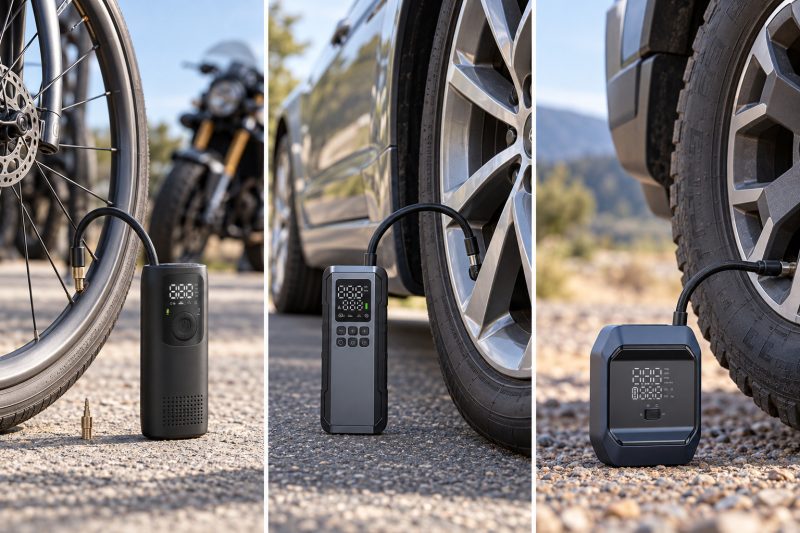
One universal tire inflator rarely performs well for every vehicle. Cars, SUVs, pickups, motorcycles and bicycles differ in tire volume, target pressure, valve type, use frequency and the need for consecutive inflation. A single model struggles to be fast, portable and low-cost at the same time. At Parwatt I see distributors face returns and slow… Continue reading How to Choose Tire Inflators for Cars, SUVs, Pickups, Motorcycles and Bicycles
Tire Inflator Duty Cycle and Overheating: A Reliability Testing Guide
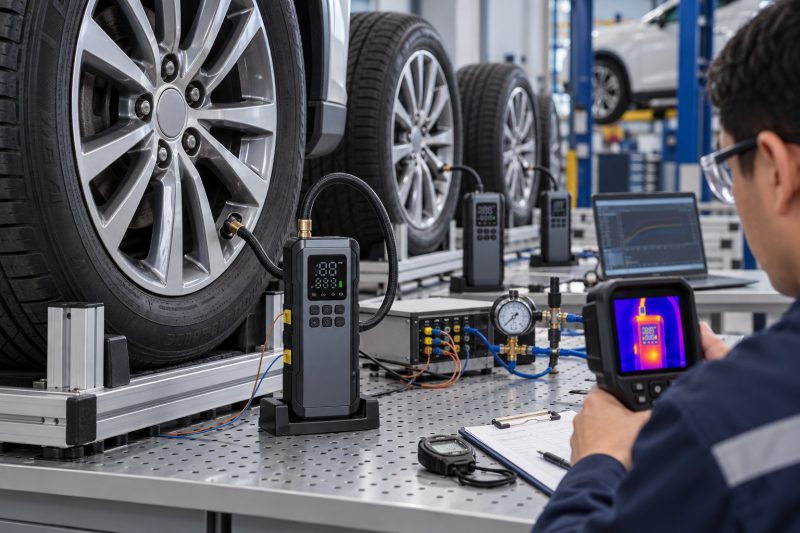
Fast inflation can hide a serious overheating problem. Some portable inflators complete the first tire quickly, yet slow down, trigger thermal protection, or damage the motor, piston seals or battery when several tires are inflated in sequence. At Parwatt I see these thermal weaknesses create returns and warranty claims after the product has already launched.… Continue reading Tire Inflator Duty Cycle and Overheating: A Reliability Testing Guide
Wet/Dry vs. Dry-Only Car Vacuums: Which Should Distributors Stock?
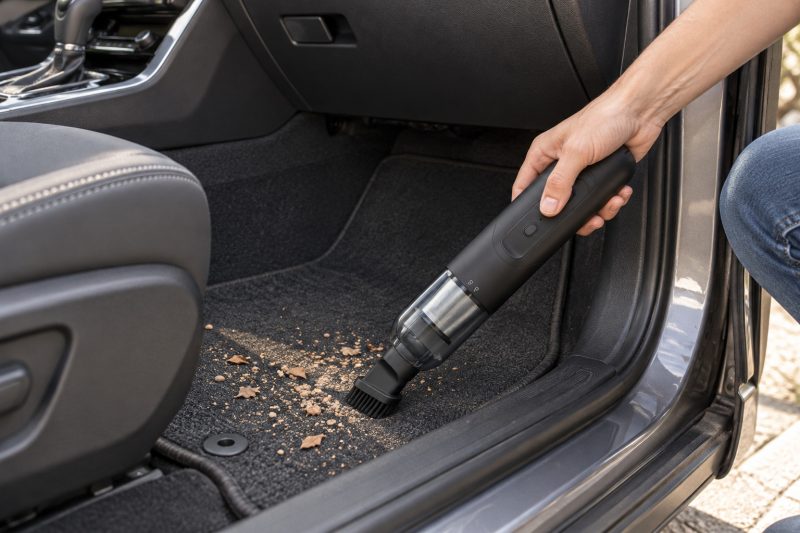
The wrong vacuum type creates returns and customer disappointment. Drivers may use a dry-only vacuum on liquid spills and damage the motor, or they may expect more liquid capacity from a compact wet/dry model than it can safely handle. Wrong positioning leads to motor failure, odor, leakage and after-sales complaints. At Parwatt I see these… Continue reading Wet/Dry vs. Dry-Only Car Vacuums: Which Should Distributors Stock?