

Will Electric Cars Overload the Power Grid in 2026? The Real Answer
May 26,2026
Worried that electric cars will cause blackouts and sky-high electricity bills in 2026? Many people share this fear as EV numbers grow fast.
The real answer is no. EVs will not overload the power grid in 2026 if we use smart charging, energy storage, and proper planning. Modern solutions manage demand effectively.
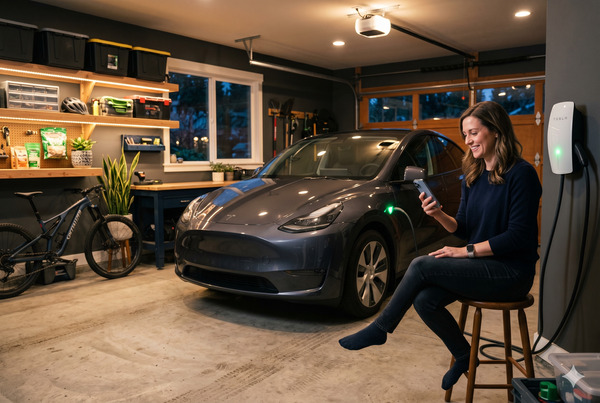
This article looks at the fears, separates myths from facts, and shows practical ways to prepare for a smooth EV future.
Why the “EV Grid Collapse” Fear Is Spreading So Fast in 2026
You see headlines about blackouts and rising electric bills caused by EVs. The worry feels real.
Social media and news spread concerns quickly. People talk about energy crises, policy debates, and old infrastructure that might not handle more EVs.
As Jacky Huang, General Manager at Parwatt, I hear these questions from fleet operators, real estate developers, and energy utilities every week. The fear grows because EV sales rise fast while some grids need updates.
Here are the main reasons the worry spreads:
- Rapid EV adoption creates visible new demand.
- Stories about evening peak charging hours.
- Concerns over higher electricity prices.
- Aging infrastructure in certain regions.
- Policy changes and energy shortage reports.
These fears affect decisions for businesses and homeowners. Charge Point Operators worry about grid connection approvals. Municipalities delay projects because of public pushback.
Consider these situations. A homeowner hesitates to buy an EV because neighbors say it will raise bills for everyone. A retail chain delays charger installation after reading collapse predictions. Fleet operators face higher insurance costs from perceived risks.
We compare the fear factors here:
| Concern | Why It Spreads | Real Situation in 2026 |
|---|---|---|
| Blackout Risk | Dramatic headlines | Managed with smart tools |
| Bill Increases | Peak hour stories | Offset by off-peak charging |
| Infrastructure Limits | Old grid images | Upgrades and flexibility help |
| Policy Debates | Political discussions | Incentives support solutions |
At Parwatt we address these concerns directly. Our battery-buffered ultra-rapid EV charger uses stored energy to reduce grid strain. The E-Station 120 mobile battery-buffered EV charging power station offers flexible options that ease local demand.
Understanding why the fear spreads helps you see beyond the noise. Data and solutions tell a more balanced story.
The Most Common Myths and Misconceptions About EVs and the Power Grid
You hear claims that all EVs charging at once will crash the entire grid. These ideas sound serious but miss key facts.
Many myths ignore how grids actually work and the tools available today. People blame EVs for problems that exist from other sources too.
I have discussed these points with automotive OEMs and government partners. Clearing up misconceptions helps everyone make better choices.
Here are the top myths I encounter:
- All EVs will charge at the same time and cause collapse.
- The grid cannot handle any significant EV growth.
- EVs are the main reason for energy shortages.
- Charging at home always spikes bills dramatically.
- No solutions exist to manage the extra load.
These misconceptions create hesitation. Real estate developers worry about tenant complaints. Energy utilities face unnecessary regulatory delays.
A clear comparison table:
| Myth | Fact in 2026 | Why It Matters |
|---|---|---|
| Simultaneous charging crash | Smart scheduling prevents it | Reduces peak stress |
| Grid cannot handle EVs | Most grids manage with planning | Focus shifts to optimization |
| EVs cause all shortages | Other sectors use more power | Better shared responsibility |
| Home charging always expensive | Off-peak rates control costs | Savings possible with smart use |
Our 30kW power module and 40kW power module support efficient grid integration. Check our blog on AC vs DC EV charging for more details on power management.
Dropping these myths opens the door to practical solutions. The grid challenge is manageable with the right approach.
Will EVs Really Overload the Grid? A Data-Driven Analysis for 2026
You want clear data before you invest in EVs or charging infrastructure.
Studies show grids can handle EV growth in 2026 with current upgrades and smart management. Peak demand, not total energy, is the main concern. Most regions stay stable.
EVs add load but represent a small part of total electricity use compared to buildings, industry, and air conditioning. Intelligent charging shifts demand away from peaks.
Key data points include:
- Smart charging reduces peak impact by 50-70%.
- Vehicle-to-Grid technology turns EVs into storage assets.
- Many grids already support high EV numbers in test areas.
- Regional differences exist but solutions scale.
- Utilization forecasts remain positive with planning.
Here is a data overview table:
| Factor | Current Impact | 2026 Projection with Solutions |
|---|---|---|
| Peak Demand | Evening spikes possible | Flattened with smart charging |
| Total Energy Use | EVs still under 5-10% | Manageable growth |
| Regional Risk | Higher in aging grids | Mitigated by storage and V2G |
| Cost to Consumers | Varies by behavior | Lower with time-of-use rates |
At Parwatt we base our designs on real data. Our FES-D30 DC EV charger includes smart features that help balance loads. The Meta mobile EV charger with battery provides buffered power that protects the grid during busy times.
This analysis shows the situation is under control for prepared operators and owners. Focus on solutions instead of fear.
How Smart Charging and Modern Solutions Are Preventing Grid Overload
You need ways to charge EVs without adding stress to the grid.
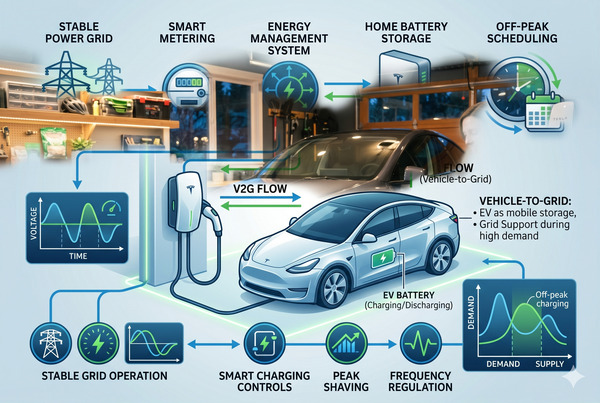
Smart charging, V2G, energy storage, and policy support work together effectively. They shift loads, store excess energy, and balance supply in real time.
Operators and homeowners who adopt these tools see stable performance and often lower costs. The technology exists and improves fast in 2026.
Effective solutions include:
- App-controlled charging that follows off-peak hours.
- Vehicle-to-Grid systems that send power back when needed.
- Battery storage that buffers demand spikes.
- Dynamic pricing that encourages smart behavior.
- Integration with renewable energy sources.
Here is how these solutions compare:
| Solution | How It Helps | Benefit for Users |
|---|---|---|
| Smart Charging | Schedules to off-peak | Lower bills, less strain |
| V2G Technology | EVs supply grid during peaks | Extra income and stability |
| Energy Storage | Buffers power locally | Reliable charging |
| Policy Support | Incentives for upgrades | Faster rollout |
Our EP02 portable EV charger with display supports smart protocols. The EC01 wall charger works well with home energy management. Read our charge EV faster home vs public article to see practical examples.
These modern approaches turn potential problems into opportunities. Grids evolve and become stronger with EVs.
Ready to Prepare Your Business or Home for the EV Future?
You see the facts now. The grid can handle EVs with the right preparations.
Start by assessing your current setup and adding smart charging options. Businesses should explore V2G and storage for better returns. Homeowners benefit from time-of-use plans and efficient chargers.
Take action today to stay ahead and enjoy reliable EV ownership.
Conclusion
The fear that electric cars will overload the power grid in 2026 is understandable but largely overstated. While rapid EV adoption does create new challenges, modern grids, smart charging technology, vehicle-to-grid systems, and strategic infrastructure upgrades are mitigating risks far more effectively than most people realize. The real issue is not whether the grid can handle EVs — it’s how quickly we adapt with intelligent solutions. Countries and companies that invest in smart management and flexibility are already seeing successful large-scale EV integration without major blackouts. In 2026, the grid won’t collapse under the weight of EVs. Instead, it will evolve. The winners will be those who prepare early with smart charging, energy storage, and forward-thinking strategies rather than fearing the transition.
Get Your Smart EV Charging Solution Assessment for 2026
Chat with Our EV Energy Expert on WhatsApp
Smart Charging • V2G • Energy Management

--- END ---
Related Posts


Business Ideas

Business Ideas
