

The Ultimate Guide to Choosing the Best Portable Air Pump for Car Tires?
Jan 04,2026
Low tire pressure stranded me on a dark highway once. No gas station nearby. I waited hours for help. A portable air pump would have saved the night.
Choose a portable air pump with at least 150 PSI max pressure, accurate digital gauge, auto shut-off, bright LED light, and multiple nozzles. These features give fast, safe inflation anywhere.

I run a company that makes car accessories. I test air pumps every day. This guide shares what I learned to help you pick the right one.
Why You Need a Portable Air Pump for Your Car?
I forgot to check tires before a long trip. Pressure dropped low. Fuel use rose. Handling felt bad. A pump in the trunk would have fixed it fast.
A portable air pump keeps tires at the right pressure. It saves fuel, extends tire life, improves safety, and handles emergencies on the road.

Fuel Efficiency Gain
Low pressure adds drag. The car works harder. Fuel use rises up to 3%. A quick top-up with the pump saves money every tank.
Tire Life Extend
Under-inflation wears the edges fast. Over-inflation wears the center. Correct pressure evens out wear. Tires last thousands of miles more.
Safety Improve
Low tires reduce grip. Stopping distance gets longer. Blowout risk goes up. Right pressure keeps control in rain or curves.
Emergency Ready
Flat tire or slow leak happens anywhere. The pump gets you home safe. No need to wait for a tow in bad weather.
Convenience Daily
Check pressure monthly. Adjust in seconds. No more hunting for gas stations. Quick top-up before every trip.
Health and Comfort
Proper pressure smooths the ride. Less vibration. Better handling. You feel safer and more comfortable.
| Benefit | Low Pressure Risk | Pump Fix |
|---|---|---|
| Fuel | +3% consumption | Save money on gas |
| Tire wear | Uneven, short life | Even wear, longer life |
| Safety | Poor grip, blowout risk | Better control |
| Emergency | Stranded waiting for help | Drive on safely |
| Ride comfort | Bumpy, more vibration | Smooth and stable |
This table shows the daily value you get.
My Highway Wait
Low tire slowed me down. Now I keep a pump in every car. No repeat.
Fleet Save
Clients with pumps cut tire replacement costs by 20%. Fuel use drops too.
You see the need. Types come next.
Types of Portable Air Pumps?
I test all types. Each fits different needs. Know your options.
Corded pumps plug into the 12V socket. Cordless models run on battery. Hybrid uses both. Hand pumps are manual. Pick by power need and convenience.
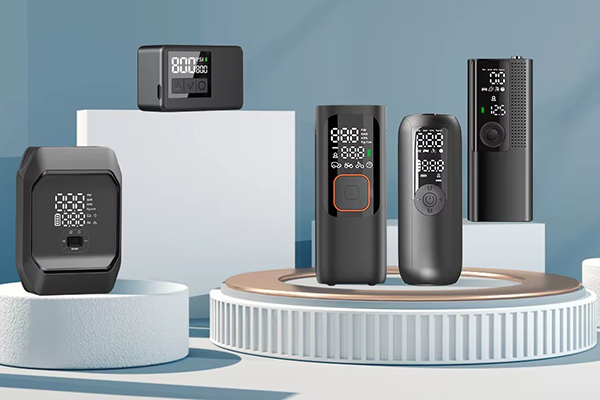
Corded 12V Pumps
Plug into the car socket. Unlimited runtime. Strong power. Good for big tires. Long hose reaches all wheels.
Corded 12V Pumps
Plug into the car socket. Unlimited runtime. Strong power. Good for big tires. Long hose reaches all wheels.
Cordless Battery Pumps
No cord. Full freedom. Battery limits time. Fast-charge models are best. Light and compact.
Hybrid Models
Both power sources. Best of both worlds. Battery for quick stops. Cord for long sessions. My favorite for road trips.
Manual Hand Pumps
No power needed. Slow work. Small emergency backup. Good as a spare but not for daily use.
Mini vs Full Size
Mini fits in the glove box. Quick top-up only. Full size gives more power for SUVs and trucks.
| Type | Power Source | Best Use |
|---|---|---|
| Corded | Car 12V | Long sessions |
| Cordless | Battery | Quick anywhere |
| Hybrid | Both | Versatile road trips |
| Manual | Hand | Backup no power |
This table matches your needs.
My Road Choice
Hybrid cordless. Power when the car is off. Cord when needed.
Family Pick
Cordless is easy. Kids can use it for bikes too.
Types known. Features matter now.
Key Features to Look for in a Portable Air Pump?
I reject weak models. Good ones have these must-haves.
Look for 150 PSI max pressure, accurate digital gauge, auto shut-off, bright LED light, multiple nozzles, and inflation under 5 minutes.
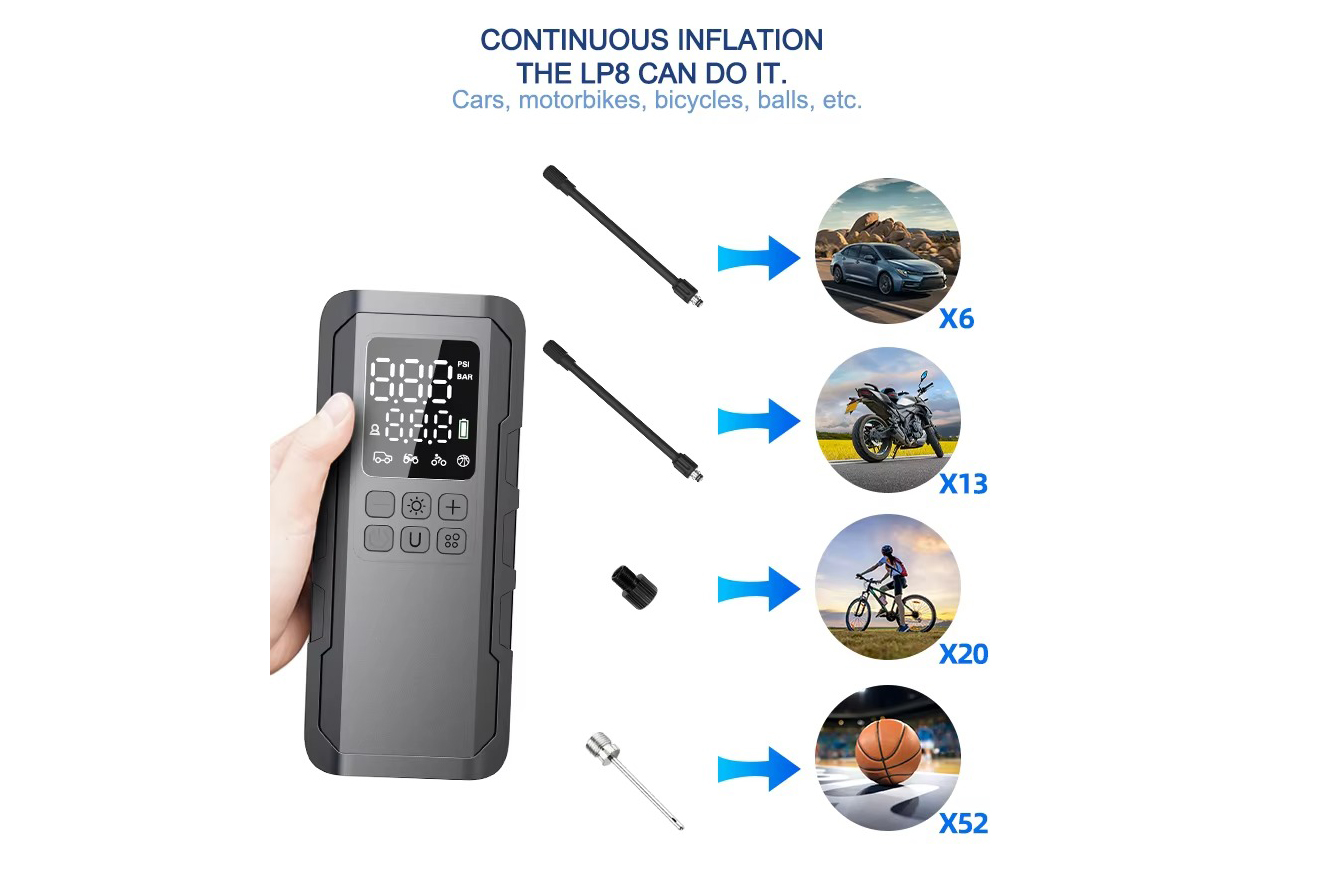
Pressure Capacity
150 PSI covers cars, SUVs, and most trucks. Lower than 100 PSI limits big tires. Check your door sticker PSI.
Digital Gauge Accuracy
Clear reading. Preset pressure. Auto stop. No over-inflation. Backlight helps at night.
LED Light
Night use is safe. See the valve clearly. Some models have flash mode for emergencies.
Nozzle Set
Car, bike, ball, inflatable. Versatile tool. Quick-connect is best.
Speed and Duty Cycle
Fills a tire under 5 minutes. Good cooling system for multiple tires. No sudden stop from overheat.
Build Quality
Metal parts last longer. Strong hose. Durable plastic. Length matters too.
| Feature | Why Need | Ideal Spec |
|---|---|---|
| Max PSI | Big tires | 150+ |
| Gauge | Accurate fill | Digital + preset |
| Light | Night safety | Bright LED |
| Nozzles | Versatile | 4+ types |
| Speed | Quick fix | Under 5 min |
This table guides your purchase.
My Test Fail
Cheap pump only 100 PSI. Useless for SUV. 150 PSI fixed it.
Preset Love
Set 32 PSI. Walk away. Perfect every time.
Features set quality. Needs decide model.
How to Choose Based on Your Driving Needs?
I ask buyers three questions. Their answers pick the perfect pump.
Match the pump to your car size, trip length, and extra use. Small car likes light model. Big SUV needs strong power. Road trips love hybrid.
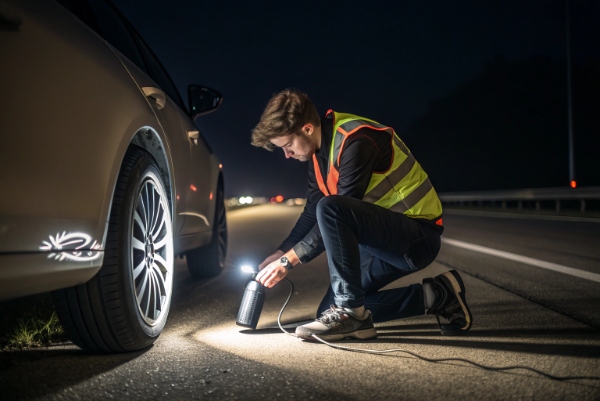
Daily City Driver
Light and compact. Quick top-up. Cordless fine. Fits glove box.
Daily City Driver
Light and compact. Quick top-up. Cordless fine. Fits glove box.
Long Highway Trips
Hybrid power. Unlimited if car is on. Battery backup. Long hose.
Big SUV or Truck
High PSI. Strong motor. Larger size. Heavy duty.
Family with Kids
Nozzles for toys. Air beds too. Fast inflation.
Off-Road or Remote
Strong build. Long hose. Spare battery. Dust-proof.
| Driving Type | Key Need | Best Pump |
|---|---|---|
| City short | Light, compact | Mini cordless |
| Highway long | Unlimited power | Hybrid |
| SUV/Truck | High PSI | 150+ PSI model |
| Family | Extra nozzles | Multi-use |
| Remote | Durable | Metal build |
This table matches your life.
My Family Trip
Kids’ bikes went flat. Extra nozzles saved playtime.
Fleet Long Haul
Hybrid pumps. Drivers fix fast. No downtime.
Needs matched. Safety tips next.
Safety and Maintenance Tips?
I burned a cheap pump once. Overheat with no cool-down. Safety first.
Check pressure regularly. Never over-inflate. Cool the pump between tires. Store dry. Calibrate gauge yearly.
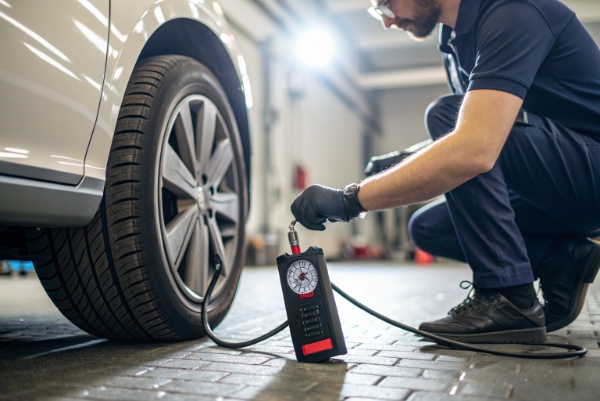
Pressure Check
Test tires monthly. Cold reading is most accurate. Morning is best.
Over-Inflate No
Watch the gauge. Auto-stop is best. Over-inflation damages tires.
Cool Time
Multiple tires? Rest pump 5 minutes. Prevents burn-out.
Clean & Store
Dust off after use. Dry place. Hose no kink.
Gauge Calibrate
Compare with shop gauge yearly. Accuracy stays good.
Hose Care
Check for cracks. Replace if worn. Air leak wastes power.
| Tip | How | Prevent |
|---|---|---|
| Monthly check | Cold tires | Low pressure |
| Auto stop | Preset | Over-inflate |
| Rest pump | 5 min between | Overheat |
| Clean store | Wipe dust | Damage |
| Calibrate | Shop gauge | Wrong PSI |
This table keeps you safe.
My Overheat
Cheap pump smoked. Good one cools fine.
Calibrate Lesson
Gauge was off 5 PSI. Fixed at shop.
Safety done. Use right.
How to Use a Portable Air Pump Correctly?
I taught a driver the wrong way once. Over-inflated tire. Step by step is safe.
Connect secure. Set pressure. Start slow. Check often. Stop at target. Disconnect clean.
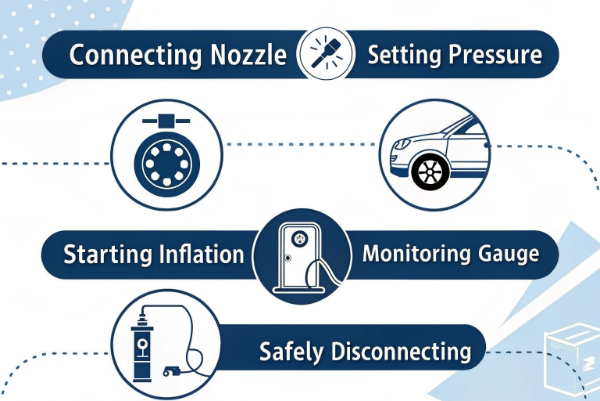
Step 1 Connect
Clean the valve. Nozzle tight. Good seal. No air leak.
Step 2 Set
Digital? Preset PSI. Manual watch gauge close.
Step 3 Start
Low speed first. Noise is normal. Increase if slow.
Step 4 Monitor
Check rise every minute. Stop if too fast.
Step 5 Finish
Beep or gauge hits target. Turn off. Disconnect slow.
Step 6 Store
Hose wrap neat. Dust cap on. Ready next.
Night Tip
LED light on. See valve clear.
| Step | Action | Tip |
|---|---|---|
| Connect | Tight nozzle | No leak |
| Set pressure | Exact PSI | Auto best |
| Start | Slow | Listen noise |
| Monitor | Watch gauge | Stop early safe |
| Disconnect | Slow release | No sudden air |
| Store | Neat wrap | Ready next |
This table teaches easy.
My First Teach
Driver rushed. Over 40 PSI. Slow steps fixed it.
Leak Check
Hiss sound? Tighten nozzle. Good seal is key.
Use right. Bonus uses.
Bonus Uses Beyond Car Tires?
I use the pump for more than tires. One tool saves space.
Inflate bikes, balls, air beds, rafts. Blow dust. Some models have emergency power bank.
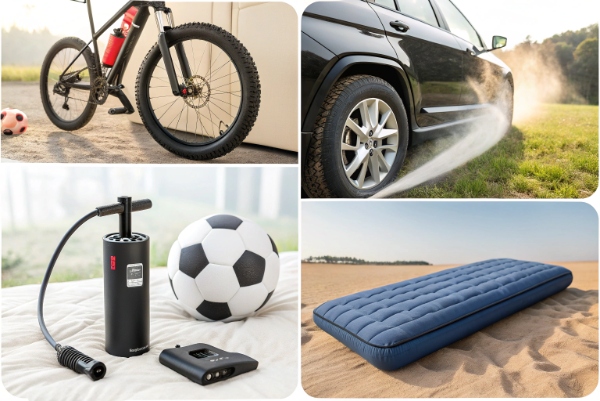
Bike and Sports
Nozzles fit valves. Balls quick. Kids’ sports ready.
Camping Inflate
Air mattress fast. Comfort ready. Beach toys too.
Pool Toys
Rafts and floats. Summer fun.
Dust Blow
Blow mode clears dash. No scratch wipe.
Power Bank
Some charge phone. Emergency help.
Home Small
Small inflatable pool. Quick fill.
| Bonus | Nozzle Needed | Time Save |
|---|---|---|
| Bike tire | Presta/Schrader | Minutes |
| Sports ball | Needle | Seconds |
| Air mattress | Large | 5 min |
| Dust clean | Blow | Fast no cloth |
| Phone charge | USB (some models) | Emergency power |
This table shows extra value.
My Camping Trip
Air beds up quick. Kids happy.
Dust Dash
Blow mode clean. No wipe marks.
Bonus adds worth. Mistakes avoid.
Common Mistakes to Avoid When Buying?
I saw many bad buys. Weak pump. Wrong size. Regret fast.
Avoid low PSI, no light, short hose, weak build. Read reviews. Test if possible.
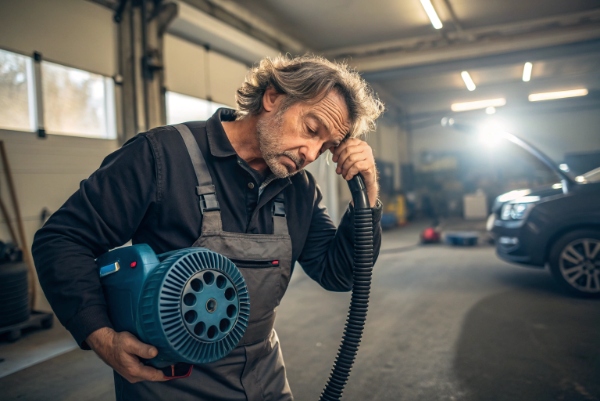
Low PSI Limit
100 PSI no good for truck. 150 PSI minimum safe.
No Light
Night emergency hard. LED must see valve.
Short Hose
Cannot reach back tires. Long hose needed.
Cheap Build
Plastic breaks quick. Metal parts last years.
No Auto Stop
Over-inflate easy. Preset safe always.
Wrong Power
Cord only limits. Battery only short time.
| Mistake | Problem | Avoid By |
|---|---|---|
| Low PSI | Can’t fill big | Check 150+ |
| No light | Night hard | LED model |
| Short hose | Back tires no | Long reach |
| Cheap plastic | Breaks fast | Quality build |
| No auto stop | Over-inflate | Preset feature |
This table prevents regret.
My Early Buy
Cheap 80 PSI. Useless for SUV. Upgraded and happy.
Review Read
Bad reviews warn weak. Good ones confirm strong.
Mistakes avoided. Let’s conclude.
Conclusion
Choose a portable air pump with 150 PSI, digital gauge, light, and nozzles. Match it to your car and trips. Enjoy safe, efficient inflation every time.
Frequently Asked Questions About Portable Air Pumps
How often should I check my tire pressure with a portable air pump?
Check tire pressure at least once a month and before long trips. Cold weather drops pressure 1 PSI per 10°F fall. Morning cold reading is most accurate. Adjust to door sticker PSI for best fuel and safety.
What is the ideal PSI range for a good portable air pump?
Look for at least 150 PSI maximum. This covers standard car tires (30-35 PSI) and larger SUV/truck tires up to 80 PSI. Lower than 100 PSI limits use on bigger vehicles.
Is a cordless air pump reliable for emergencies?
Yes if battery is strong. Choose 20-30 minute runtime. Fast-charge models are best. Hybrid (battery + 12V) never fails. Keep it charged in the trunk.
Do I need LED lights on my air pump?
Yes for safety. Night flat tire is common. Light shows valve clearly. Flash mode signals help. Dark garage use is easy too.
How fast should a portable air pump inflate a tire?
Good pump fills standard car tire from 20 to 35 PSI in under 5 minutes. Slower than 8 minutes is frustrating on the road.
Can portable air pumps handle bike tires or inflatables?
Yes with right nozzles. Presta for road bikes. Needle for balls. Large for air beds. Multi-nozzle models are most versatile.
Is auto shut-off important in an air pump?
Very important. Preset exact PSI. Pump stops automatically. No over-inflate risk. Safe and easy for everyone.
How do I store my portable air pump in the car?
Trunk corner is best. Cool dry spot. Hose wrapped neat. Keep charged and ready. Case protects from dust.
Manual foot pump better than electric?
No for daily use. Foot pump is slow and hard work. Electric is fast and easy. Foot pump good as backup only.
Hybrid power air pump best choice?
Yes for most people. Battery gives freedom. 12V gives unlimited power. No stuck situation. Worth the extra cost.
--- END ---
Prev: What is the difference between a portable car vehicle air pump and a regular air compressor?
Already the latest article
Related Posts
Industry News

Industry News


Product News
