Your car looks clean on the outside. But inside, crumbs, pet hair, and dust hide in every corner. A regular home vacuum just won’t cut it.
To choose the best car vacuum cleaner, focus on strong suction power, cordless design, lightweight build, and useful attachments. These features help you clean tight spaces fast and easy.
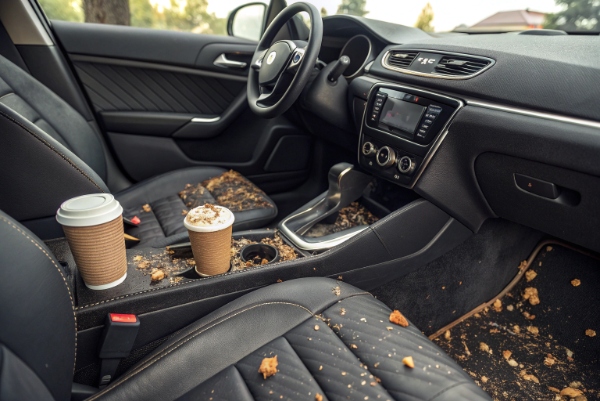
I have cleaned many cars in my life. I run a company that makes car accessories. I know how hard it is to keep a vehicle spotless. Let me share what I learned to help you pick the right one.
Why You Need a Dedicated Car Vacuum Cleaner
Home vacuums are big and heavy. They have long cords that tangle in your car. You struggle to reach under seats. Dirt stays behind.
A dedicated car vacuum is small and powerful. It fits in your trunk. It reaches every spot without hassle. It makes cleaning quick and effective.
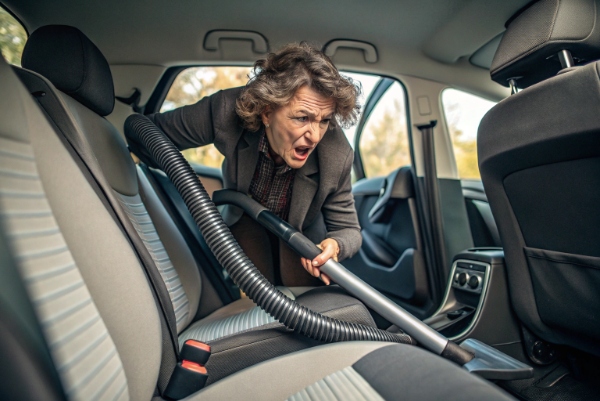
I remember my first road trip with my dog. Pet hair covered everything. My home vacuum could not help in the parking lot. I wished for a better tool. Now I always recommend a car-specific vacuum.
Benefits Over Household Vacuums
- High Portability: You can use them anywhere, with no need for wall outlets.
- Flexible Reach: Hoses and slim nozzles reach narrow gaps that home vacuums miss.
- Cordless Freedom: Battery power frees you from cords, letting you move freely inside the car.
Common Car Cleaning Challenges
Cars collect unique dirt that requires specialized tools:
- Crumbs fall deep into seat seams.
- Pet hair aggressively sticks to fabric upholstery.
- Dust builds up in narrow air vents.
- Liquids spill (kids dropping drinks or pet accidents).
- Sand from beaches grinds into the floor carpets.
A dedicated vacuum handles all these. It sucks up dry and wet messes and traps fine particles.
When a Regular Vacuum Falls Short
Regular vacuums need power outlets. Parking lots rarely have them. Their bulk makes storage hard, so you leave them at home. Weak suction leaves debris behind, while car interiors need a strong pull.
I once tried a shop vac in my car. It was too loud and clumsy. It scratched the dashboard. Never again. Many people face the same issue. They buy the wrong tool, wasting time and money.
| Feature | Home Vacuum | Car Vacuum |
|---|---|---|
| Size | Large and bulky | Compact and lightweight |
| Power Source | Corded (requires wall outlet) | Often cordless or 12V plug |
| Reach | Limited in tight spaces | Excellent with attachments |
| Portability | Low | High |
| Suction Focus | Broad, average spread | Strong and targeted |
Types of Car Vacuum Cleaners
Many options exist. Corded ones plug into your car’s 12V socket. They offer steady power. Cordless models run on batteries, giving you full freedom.
Explore all types of car vacuum cleaners — handheld, stick, wet/dry, and more — to find the perfect fit for your needs.
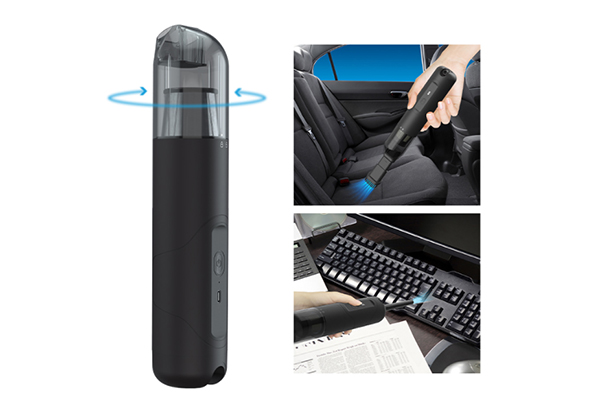
I tested many types at my company. Each suits different needs. Let me break them down.
Corded vs. Cordless
Corded vacuums never run out of power. You plug them in and clean forever. But the cord limits movement and tangles around seats. Cordless ones let you move anywhere with no restrictions. Battery life matters here—aim for 20 minutes at least.
Handheld vs. Portable Stick
Handheld vacuums are the most common. They are light and easy to hold. Stick models offer more capacity and are better for bigger cars. They stand on their own, resulting in less arm fatigue.
Wet/Dry vs. Dry-Only
Wet/dry vacuums suck up liquids, which is great for spills. Families with kids need this because accidents happen. Dry-only vacuums are simpler and often cheaper. They work well for just dust and crumbs. I spilled coffee once, and a wet/dry model saved my seats.
| Type | Pros | Cons | Best For |
|---|---|---|---|
| Corded | Unlimited runtime | Cord restricts movement | Long cleaning sessions |
| Cordless | Full freedom | Limited battery | Quick cleanups anywhere |
| Handheld | Very portable | Small dustbin | Small cars, daily use |
| Stick | Larger capacity | Heavier | SUVs, deep cleans |
| Wet/Dry | Handles spills | Often more expensive | Families, pet owners |
Key Factors to Consider When Choosing a Car Vacuum Cleaner
I always check these factors when I test products. They make or break the cleaning experience:
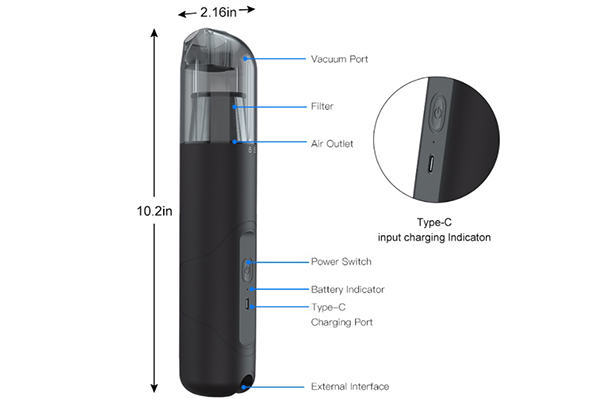
- Suction power tops the list. Look for high Pa or AW ratings.
- Weight affects comfort. Light models reduce tired arms.
- Battery life decides how much you can clean at once.
- Dustbin size dictates how often you need to stop and empty it.
- Filters (like HEPA) keep the air clean and prevent dust blowback.
Suction Power and Performance
Strong suction removes tough dirt. Pet hair needs at least 4,000 Pa. Air watts (AW) measure power too; 50 AW or more works well. Weak suction leaves a mess behind, meaning you have to clean twice.
Weight and Portability
Under 3 pounds feels best. You hold it longer without pain. Compact size stores easily in your trunk. I carry samples often, and the heavy ones always stay in the office.
Battery Life and Charging Time
15-30 minutes of runtime covers most cars. A fast charge helps (3-4 hours max). Some cheap models last only 10 minutes, which is not enough for a full clean.
Dustbin Capacity, Filtration, and Noise
Larger bins mean fewer stops; 500ml is a good baseline. HEPA filters trap allergens, and washable ones save you money. Bad filters blow dust back into your face. Also, seek quiet models under 70 dB. Loud ones disturb neighbors in parking lots.
| Factor | Ideal Range | Why It Matters |
|---|---|---|
| Suction | 4000+ Pa or 50+ AW | Removes embedded dirt |
| Weight | Under 3 lbs | Less fatigue |
| Battery Life | 20-30 minutes | Full car clean |
| Dustbin | 500ml+ | Fewer empties |
| Noise | Under 70 dB | Comfortable use |
Special Features to Consider in Car Vacuums
I love testing new features. They solve real problems. Extra tools always add value to your purchase.
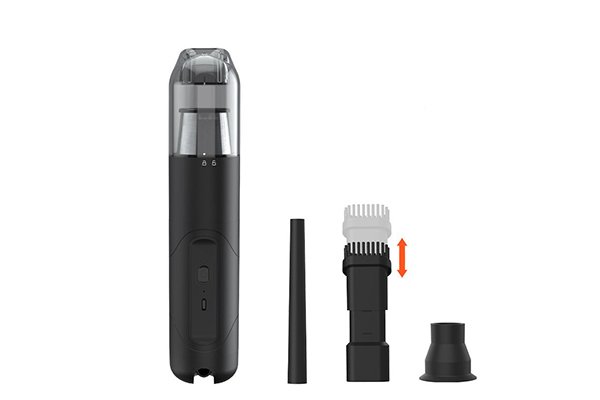
- Essential Attachments: A crevice nozzle for seams, a brush for upholstery, and a flexible hose for under the seats.
- LED Lights: These illuminate dust in shadows so you miss less dirt in dark car interiors.
- Blow Function: Blows debris from hard-to-reach spots, dries wet areas, and is handy for blowing dust out of vents or keyboards.
- Accessories: A carrying case keeps things organized in the trunk, extra batteries extend runtime, and a wall mount is great for garage storage.
| Feature | Benefit | Must-Have? |
|---|---|---|
| Crevice Tool | Reaches narrow gaps | Yes |
| Brush Attachment | Lifts pet hair | Yes |
| LED Light | Spots hidden dirt | Highly recommended |
| Flexible Hose | Access under seats | Yes |
| Blow Mode | Clears tight spots | Useful |
Choosing the Right Car Vacuum for Your Needs
I talk to customers daily, and their needs vary drastically. Match the vacuum to your lifestyle, and you will use it more often.

For Pet Owners & Families
Pet owners need extra strong suction, turbo brushes, and HEPA filters to trap hair and dander. A wet/dry function is great for accidents. Families with kids also consider wet/dry capabilities key because spills happen constantly. A large dustbin and quiet operation are major pluses.
For Daily Commuters & Large Vehicles
Commuters want a lightweight unit with a fast charge and small size for trunk storage, perfect for quick 10-minute sessions. For large SUVs, you want longer battery life, a bigger bin, stick-style extensions for reach, and plenty of attachments.
| User Type | Top Priorities | Recommended Type |
|---|---|---|
| Pet Owners | Strong suction, HEPA, brushes | Cordless wet/dry |
| Families | Wet/dry, large bin, quiet | Handheld with capacity |
| Commuters | Lightweight, fast charge | Compact cordless |
| Large Cars | Long runtime, extensions | Stick or high-capacity |
Budget Considerations
Good vacuums start at $50. Basic models work okay, but mid-range models ($100-$200) offer the best value. Premium units over $300 add smart features. Cheap ones break fast—I see many returns on cheap units. Invest in quality.
- Entry-Level ($30-$80): Basic suction, short battery, small bin. Good for occasional use.
- Mid-Range Value ($80-$150): Solid power, good attachments, decent battery. Lasts for years with care. (I own a mid-range one, and it serves me well daily.)
- Premium Features ($200+): Top suction, long life, great warranty, and sometimes smart controls.
| Budget Range | What You Get | Best For |
|---|---|---|
| Under $80 | Basic features | Rare use |
| $80-$150 | Good balance | Most people |
| $150+ | Advanced tools | Heavy users |
Maintenance Tips for Long-Lasting Performance
I maintain my tools, and they last longer. Simple care adds years to your device.
- Cleaning the Bin: Empty over a trash can after each use. Tap to remove dust. Wash the bin if you sucked up wet messes, and dry it fully before closing.
- Filter Care: Rinse washable filters and let them air dry. Replace them when worn so clean air flow stays strong.
- Battery Maintenance: Charge after use, but do not overcharge. If storing for a long time, store it half-charged.
| Task | Frequency | Benefit |
|---|---|---|
| Empty Dustbin | After each use | Prevents clogs |
| Clean Filter | Every 3-5 uses | Maintains suction |
| Check Attachments | Monthly | Ensures full function |
Common Mistakes to Avoid When Buying a Car Vacuum Cleaner
I made some of these mistakes early on and learned the hard way. Avoid regret by reading carefully before you buy:
- Buying the Cheapest Option: Low price means low quality. Motors burn out and plastic breaks. Spend a bit more to save long term.
- Ignoring Suction Power Ratings: Ads hide weak suction. Check the Pa or AW numbers.
- Overlooking Weight and Ergonomics: Heavy models tire you out fast. Light feels better.
- Forgetting About Attachments: No tools limit your reach. Check what comes included.
| Mistake | Consequence | How to Avoid |
|---|---|---|
| Cheapest choice | Quick failure | Set minimum budget |
| Weak suction | Poor cleaning | Check specs |
| Too heavy | User fatigue | Read weight |
| No attachments | Limited reach | Confirm inclusions |
Conclusion
Pick a car vacuum with strong suction, light weight, and good attachments. It keeps your car clean easily. When your vehicle is spotless inside and out, you will enjoy driving much more.
FAQ
Q Why do I need a dedicated car vacuum cleaner?
Home vacuums are bulky and hard to maneuver inside a car. Dedicated car vacuums are compact, portable, and come with specialized attachments to reach tight spaces and handle unique car messes.
Q Should I buy a corded or cordless car vacuum?
Cordless vacuums offer full freedom of movement and are ideal for quick cleanups. Corded vacuums (plugged into a 12V socket) provide unlimited runtime for longer, deep-cleaning sessions.
Q What is a good suction power for a car vacuum?
Look for a car vacuum with at least 4000 Pa or 50 Air Watts (AW) to effectively remove embedded dirt, crumbs, and pet hair from carpets and seats.
Q What are the most important attachments for a car vacuum?
Essential attachments include a crevice tool for tight seams, a brush attachment for lifting pet hair from upholstery, and a flexible hose for reaching under seats.