

Emerging Markets for EV Charging: Asia, Europe & Beyond – Opportunities and Challenges in 2026
Jun 22,2026
Emerging markets show explosive EV growth yet struggle with charging infrastructure. Investors and operators face high risks mixed with big rewards.
Successful EV charging in emerging markets requires local adaptation, smart energy solutions, and strong policy understanding. Asia leads in volume while Europe emphasizes standards, but grid issues affect both regions heavily in 2026.
As General Manager at XIAMEN PARWATT NEW ENERGY TECHNOLOGY CO.,LTD, I have worked with partners across these regions. We help businesses navigate real conditions on the ground. Let me share practical insights for 2026.
Why Emerging Markets Are Creating Both Massive Opportunities and Serious Challenges for EV Charging
Rapid EV sales growth excites many companies but reveals infrastructure gaps quickly. Operators encounter unexpected costs and delays.
Emerging markets offer huge user bases yet face weak grids, policy shifts, and high investment risks. These factors slow profitable deployment despite strong demand signals.
My team at Parwatt supports projects in Asia and other areas. The contrast between vehicle growth and charging readiness stands out clearly.
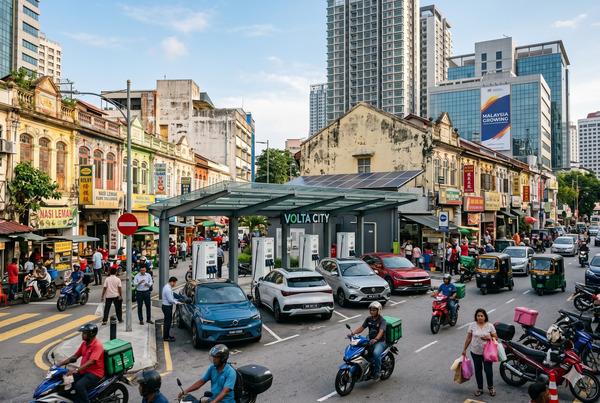
Vehicle adoption surges in countries like India and parts of Southeast Asia. Two-wheeler and three-wheeler EVs dominate in many places. This creates demand for suitable charging solutions different from passenger cars in developed markets.
Grid pressure appears as a major barrier. Many areas have unreliable power supply or limited capacity for multiple fast chargers. Outages disrupt operations and damage equipment.
Policy uncertainty adds risk. Incentives change with new governments or budget shifts. Permitting processes take longer than expected and vary by locality.
Investment challenges include high upfront costs for infrastructure in areas with uncertain utilization. Stranded assets become a real concern without careful planning.
| Factor | Opportunity | Challenge |
|---|---|---|
| Market Size | Large user growth | Infrastructure lag |
| Policy Support | Incentives available | Changes and delays |
| Grid Capacity | Growing demand | Frequent limitations |
| Competition | Room for new players | Local players adapt fast |
- Vehicle sales outpace charger installations in many cities.
- Climate conditions affect equipment performance.
- Different vehicle types need specialized chargers.
- Supply chain issues raise costs in remote areas.
- Financing options remain limited for smaller operators.
Our 30kW Power Module helps address power challenges effectively. Read our Electric Vehicle Charging guide for foundational knowledge.
Real estate developers in growing cities want charging to attract tenants. Fleet operators in logistics see efficiency gains but need reliable solutions. Energy utilities explore new revenue from EV integration.
I remember a Southeast Asia project where grid issues nearly stopped progress. Smart planning with storage solutions turned the situation around. Experiences like this highlight why local knowledge matters.
These realities shape the current landscape. Next we address some common wrong assumptions.
Common Misconceptions About EV Charging Growth in Emerging Markets
Many believe fast EV sales guarantee easy profits in charging. This overlooks important local factors.
Growth in emerging markets does not automatically mean easy success for charging businesses. Local grid limits, adaptation needs, and realistic utilization forecasts determine real outcomes.
I discuss these points frequently with international partners. Clear facts help set better expectations.
One misconception assumes Western models work everywhere. Local vehicle mixes, usage patterns, and electricity reliability differ greatly. Direct copies often fail.
Another misconception downplays grid problems. People think strong demand solves power issues. In practice, storage and smart management become essential tools.
Some believe policy support removes all risks. Incentives help but do not guarantee utilization or stable regulations over time.
Investors sometimes expect fast returns. Actual timelines stretch due to permitting, construction, and user education needs.
| Misconception | Reality in 2026 |
|---|---|
| Easy Profits | Needs careful local adaptation |
| Western Models Work | Local tailoring required |
| Grid Not an Issue | Storage often essential |
| Fast ROI | Longer timelines common |
- Two-wheeler focus changes charger design needs.
- Urban density affects station placement.
- Payment systems must match local preferences.
- Maintenance access varies by region.
- Competition from informal solutions exists.
Our Meta Mobile EV Charger with Battery suits areas with grid challenges. Check AC vs DC EV Charging for technical comparisons.
Automotive OEMs adjust models for local conditions. Charging operators partner with utilities for better results. Governments push public-private models to speed progress.
My conversations with teams in India showed how understanding daily user patterns led to better station designs. Small changes created higher usage rates.
With these misconceptions addressed, let us review actual progress across regions.
Current State of EV Charging in Key Emerging Markets – Asia, Europe & Beyond
Operators need current data to make informed decisions. Regional differences guide strategy choices.
Asia shows fastest vehicle growth with India and Southeast Asia leading, while Europe advances through strong policies. Other regions mix potential with infrastructure gaps in 2026.
Parwatt follows developments closely through our global network. We see varied progress on the ground.
Asia demonstrates strong momentum. China continues expansion while India pushes two-wheeler and commercial EV adoption. Southeast Asian countries grow through incentives and urban programs. Grid upgrades lag in many secondary cities.
Europe focuses on standardization. Countries implement strict targets and funding programs. Grid capacity and permitting create bottlenecks despite policy support. Eastern European markets show different paces from Western ones.
Latin America and Africa present emerging opportunities. Brazil and South Africa advance in certain segments. Challenges include economic volatility and power reliability across wider areas.
Growth data indicates charger installations increase but trail vehicle numbers. Public-private partnerships accelerate some projects. Private investment focuses on high-traffic urban corridors.
| Region | Growth Drivers | Main Barriers | 2026 Outlook |
|---|---|---|---|
| Asia | Vehicle sales, incentives | Grid capacity | High volume potential |
| Europe | Policy, standards | Permitting delays | Steady regulated growth |
| Latin America | Urban fleets | Economic factors | Selective opportunities |
| Africa | Mining and logistics | Infrastructure base | Early stage potential |
- Two and three wheelers dominate Asian charging demand.
- Commercial fleets drive depot charging needs.
- Public stations concentrate in capital cities.
- Home charging grows where electricity access allows.
- Cross-border projects appear in some trade zones.
Our E-Station 120 Mobile Battery Buffered EV Charging Power Station fits mobile and unreliable grid situations. Our Car Battery Charger Guide offers related practical advice.
Fleet operators in logistics expand EV use in Asia. Real estate projects in Europe add charging as standard amenity. Energy utilities test pilot programs in multiple countries.
I have visited sites where local teams achieved good utilization through smart placement. Data from these operations informs better future planning.
Successful approaches share common elements. Let us examine what works best.
What Sets Successful EV Charging Strategies Apart in Emerging Markets
Leading operators achieve better results through specific practices. These strategies address local realities directly.
Successful strategies combine local adaptation, smart technology, policy alignment, and strong partnerships. This approach improves utilization and long-term returns.
Our experience at Parwatt shows clear patterns in winning projects.
Local adaptation means designing for actual vehicle types and user behaviors. Two-wheeler focused chargers in Asia differ from passenger car emphasis elsewhere. Usage studies guide placement and power levels.
Policy utilization involves working with available incentives and mandates. Early engagement with authorities speeds approvals. Public-private models share risks effectively.
Smart charging manages grid load and reduces costs. Energy storage helps in weak grid areas. Software optimizes operations and provides user convenience.
Partnerships with local players bring market knowledge and distribution networks. This reduces entry barriers and improves service quality.
| Strategy Element | Key Actions | Benefits |
|---|---|---|
| Local Adaptation | Vehicle-specific designs | Higher usage |
| Policy Alignment | Incentive capture | Lower costs |
| Smart Technology | Storage and management | Grid stability |
| Partnerships | Local collaboration | Faster scaling |
- Modular equipment allows phased expansion.
- Payment integration matches local habits.
- Maintenance networks ensure uptime.
- User education programs build adoption.
- Data analytics guide future investments.
Our 40kW Power Module supports scalable installations. Explore The Ultimate Guide to Choosing the Best Portable Air Pump for Car Tires for complementary products.
Charge Point Operators build networks carefully. Automotive OEMs collaborate on charging ecosystems. Governments use successful models to expand programs.
One project in Southeast Asia succeeded by combining storage with solar and local partnerships. Utilization exceeded initial forecasts significantly.
These strategies point toward action. Consider your own path forward.
Ready to Enter or Expand in Emerging EV Charging Markets? Here’s Your Next Step
Entering new markets requires structured preparation. Smart steps reduce risks and improve outcomes.
Begin with thorough market assessment, local partner identification, and pilot testing. Choose adaptable equipment and plan for long-term operations.
I recommend practical actions based on our project experience.
Start with detailed market research. Analyze vehicle growth, grid conditions, policy environment, and competitor activities. Local consultants provide valuable insights.
Identify reliable partners. Local distributors, utilities, and developers bring essential knowledge and networks. Clear agreements protect interests.
Pilot projects test assumptions with limited risk. Choose high-potential locations and monitor performance closely. Data informs larger rollouts.
Select forward-compatible equipment. Modular designs and storage-ready systems handle future changes. Quality components reduce maintenance issues.
Actionable checklist:
- Conduct grid and demand studies.
- Engage local regulatory experts early.
- Budget for adaptation and training.
- Plan maintenance and service networks.
- Monitor policy developments continuously.
Our EP02 Portable EV Charger with Display offers flexibility for initial tests. Visit our Solutions page for complete offerings.
Corporate clients evaluate workplace and fleet opportunities. Government entities focus on public access projects. Investors balance portfolios across regions.
My advice from years in the industry is to move with eyes open. Successful teams combine global technology with local execution.
Emerging markets are becoming the next frontier for EV charging growth, offering huge potential alongside significant operational and regulatory challenges. Success in 2026 and beyond will belong to those who understand local conditions, adapt strategies accordingly, and build resilient infrastructure that matches real demand rather than optimistic projections.
Whether in Asia’s fast-growing economies, Europe’s maturing markets, or other developing regions, the key is balancing speed of deployment with long-term sustainability and profitability.
The opportunities are real — but only for those who prepare intelligently.
FAQ
Which emerging markets are growing fastest for EV charging in 2026?
India, Southeast Asia, and parts of China show strong momentum alongside select European and Latin American areas.
What are the biggest challenges for EV charging in Asia and Europe?
Grid capacity and reliability in Asia, plus permitting delays in Europe create main bottlenecks.
How do government policies affect EV charging deployment in emerging markets?
Incentives and mandates accelerate projects while changes introduce uncertainty.
Is it profitable to invest in EV charging in developing countries?
Yes with careful planning, local adaptation, and realistic utilization forecasts.
What infrastructure differences exist between emerging and developed markets?
Emerging areas often have weaker grids and different vehicle mixes compared to mature markets.
How can companies successfully enter emerging EV charging markets?
Through local partnerships, pilot projects, policy alignment, and adaptable technology solutions.

--- END ---
Related Posts


Business Ideas

Business Ideas

Business Ideas

Business Ideas
