

How Much Does a Commercial EV Charging Station Cost?
Apr 30,2026
Many business owners feel shocked when they see the first quote for commercial EV charging. High numbers create hesitation. I understand this concern because accurate planning matters for every project.
A commercial EV charging station typically costs between $4,500 and $160,000 per port in 2026. Level 2 chargers average $6,000 to $15,000 installed, while DC fast chargers range from $35,000 to over $350,000 depending on power level and site conditions. These figures help you budget with confidence.
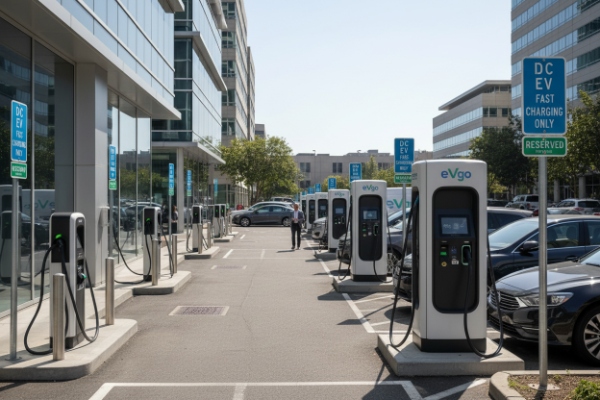 Commercial EV charging station at a busy parking lot
I have spent years working with EV infrastructure at Parwatt. Let me share clear details so you can move forward without guesswork. We will cover costs, types, and practical steps for your business.
What Is a Commercial EV Charging Station?
You look at parking areas and wonder what makes a station truly commercial. Many people ask this basic question before they start planning.
A commercial EV charging station is a robust setup built for businesses, fleets, retail centers, and public use. It supports multiple vehicles, offers faster speeds than home chargers, and includes smart features for management and billing.
At Parwatt we work with many clients who need reliable solutions. Commercial stations differ from residential ones in durability and capacity. They handle daily heavy use without quick wear.
Key Components That Make Up the System
Every station includes several important parts. The charger hardware delivers the power. Electrical connections link to the grid. Mounting structures keep units safe. Software systems handle payments and monitoring.
Here is a simple overview:
| Component | Main Purpose | Typical Share of Total Cost |
|---|---|---|
| Charger Hardware | Supplies power to EVs | 40-60% |
| Electrical Infrastructure | Connects safely to power supply | 20-40% |
| Mounting and Protection | Keeps equipment secure | 5-15% |
| Smart Software | Manages usage and payments | 5-10% |
I always review these elements early. They help control expenses from the start.
Why Commercial Stations Differ from Home Use
Home chargers serve one car slowly overnight. Commercial units face constant demand. They need stronger builds, better cooling, and advanced safety features. This difference affects both performance and price.
For solid Level 2 performance in busy locations, many clients choose our EC01 Wall Charger. It delivers dependable service day after day.
Businesses see real gains. Customers stay longer at retail sites. Fleets reduce downtime. Employees enjoy convenient charging. These advantages often repay the investment quickly.
Types of Commercial EV Chargers
You face many choices and want to pick the right one for your site. I see this question often from new clients.
Commercial EV chargers mainly come as Level 2 AC units or Level 3 DC fast chargers. Level 2 adds about 20-40 miles of range per hour. DC fast chargers can add 50-250 miles in roughly 30 minutes.
Level 2 works well for workplaces and hotels where vehicles park for hours. DC fast suits high-traffic areas that need quick turnover. Both types have their place depending on your daily operations.
Level 2 Chargers for Everyday Needs
These units run on 240V power. Installation stays simpler and less costly. Many models support two ports so one unit serves two vehicles at once. They fit malls, office parks, and apartment buildings.
DC Fast Chargers for Speed
DC fast chargers require higher voltage, usually 480V. They deliver much faster charging for busy locations like gas stations or highway stops. Power levels start at 30kW and go higher. They cost more but bring faster customer cycles.
At Parwatt we offer scalable DC options. Check our 30kW Power Module or FES-D30 DC EV Charger when you need reliable fast charging.
Mobile and Battery-Buffered Solutions
Some locations lack strong grid power. Battery-buffered stations store energy and release it on demand. Mobile units add flexibility for events or temporary sites. These options help when traditional installations prove difficult.
Our Meta Mobile EV Charger with Battery has helped several clients avoid expensive grid upgrades.
How Much Does a Commercial EV Charging Station Cost?
Cost questions come up in almost every conversation I have with potential partners. Numbers vary based on many factors.
In 2026, a typical Level 2 commercial station costs $6,000 to $15,000 per port installed. DC fast chargers usually range from $35,000 to $160,000 or more per port. Full projects with multiple units can reach several hundred thousand dollars.
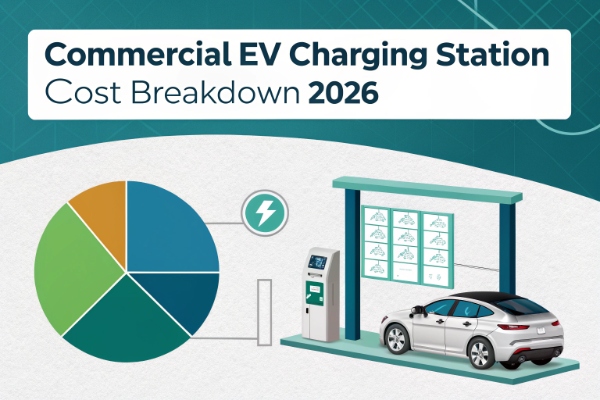 Cost breakdown chart for EV charging installation
These ranges come from real market data across the United States. Hardware forms the base while installation and site work add the rest.
Clear Cost Ranges for Planning
Use this table to estimate your project:
| Charger Type | Hardware Cost | Installation Cost | Total Cost Per Port |
|---|---|---|---|
| Level 2 (single port) | $500 – $7,000 | $2,000 – $10,000 | $4,500 – $17,000 |
| Level 2 (dual port) | $2,500 – $10,000 | $3,000 – $12,000 | $6,000 – $22,000 |
| DC Fast (30-60 kW) | $20,000 – $45,000 | $15,000 – $40,000 | $35,000 – $85,000 |
| DC Fast (120 kW and above) | $80,000 – $200,000 | $40,000 – $150,000 | $120,000 – $350,000+ |
I always advise clients to add 15-20% for unexpected items. This buffer prevents budget stress later.
Additional Expenses to Consider
Permits can run from a few hundred to several thousand dollars. ADA compliance and protective bollards add more. Software licenses and yearly maintenance also factor in. Utility upgrades remain one of the largest variables.
Our Battery-Buffered Ultra-Rapid EV Charger often reduces the need for costly grid work in weaker locations.
Top Factors That Influence Installation Costs
Site conditions change the final price more than most people expect. I review these factors with every client.
The main factors that drive commercial EV charging costs are charger type, existing electrical capacity, site preparation work, local permits, and geographic location. Good power access lowers the total while major upgrades raise it.
Distance from the main electrical panel matters a lot. Every extra foot of conduit or trenching adds cost. Urban areas usually face higher labor rates than rural ones.
Electrical Capacity and Upgrades
Older buildings often need new panels or transformers. These changes can increase the budget significantly. Modern load management systems help avoid full replacements in many cases.
Site Preparation Details
Soil conditions affect digging expenses. Local weather and traffic patterns influence protection needs. Accessibility requirements for ADA compliance also play a role.
Available Incentives in 2026
Federal tax credits and utility rebate programs can cut costs by 30% or more. Many states offer extra support for commercial projects. I recommend checking these options early in planning.
Installation Process
You want a clear roadmap so the project stays on schedule. I have guided many installations and learned the important steps.
The typical installation process includes site assessment, electrical design, permitting, physical construction, equipment mounting, system testing, and final commissioning. Level 2 jobs often finish in 2-4 weeks while DC fast projects take 2-6 months.
We always start with a professional assessment. This step reveals hidden issues before work begins.
Main Steps in Order
- Conduct a detailed site survey and power check.
- Select the right charger models for your needs.
- Create the electrical and layout design.
- Apply for all necessary permits and utility approvals.
- Complete trenching and site preparation.
- Install the chargers and connect wiring.
- Test the full system for safety and function.
- Train your team and launch the station.
Following this sequence keeps surprises to a minimum.
For faster deployment, consider our E-Station 120 Mobile Battery Buffered EV Charging Power Station. It reduces traditional construction time.
Designing an Effective EV Charging Station
Good design makes the station convenient and safe for users. Poor layout leads to complaints and lower usage.
Effective EV charging station design puts user convenience first. Focus on easy access, clear signage, ADA compliance, cable management, and room for future expansion.
I always recommend visible locations near entrances. Good lighting and weather protection increase user satisfaction.
Practical Design Tips
- Leave enough space for large vehicles to maneuver.
- Use bollards to protect the equipment.
- Install clear instructions and payment screens.
- Plan cable retractors to keep walkways safe.
- Leave room to add more units later.
Many clients also add complementary services. Our LP8 Multi-Functional Car Air Pump pairs nicely with charging areas for complete convenience.
Planning for Growth
Choose modular systems that let you expand without replacing everything. This approach protects your investment as EV adoption grows.
Benefits of Commercial EV Charging for Businesses
Businesses want to know if the investment pays off. I track results with our partners.
Commercial EV charging brings more customers, happier employees, new revenue streams, and a stronger green brand image. Many sites see payback within 2 to 5 years.
Retail locations notice longer visitor stays. Fleets cut operating costs. Workplaces improve employee satisfaction.
Ways to Generate Revenue
You can charge by the hour, by kWh, or offer free sessions as a perk. Some operators add idle fees after charging completes. Bundled services create extra income.
Read our detailed guide on Level 2 vs Level 3 Charging to understand speed differences.
Best Use Cases for Commercial EV Charging
Different businesses gain in different ways. I see successful patterns across industries.
Best use cases include fleet yards, retail parking lots, hotels, office workplaces, and highway service areas. Each matches specific charger speeds and daily traffic needs.
Fleet operators reduce downtime. Retailers turn parking into profit centers. Hotels keep guests comfortable.
Parwatt Parts builds solutions for all these groups. Our products support Charge Point Operators, fleet managers, real estate developers, and more.
Conclusion
Commercial EV charging stations involve real investment but deliver clear business advantages when planned well. Use accurate cost data, choose the right equipment, and take advantage of incentives to achieve good returns.
Ready to explore options for your site? Visit Parwatt Parts and let our team help you find the best solution.
FAQ
How much does a commercial Level 2 charger cost in 2026?
Installed Level 2 stations usually range from $6,000 to $15,000 per port depending on site conditions.
What is the price range for DC fast commercial chargers?
DC fast chargers typically cost $35,000 to $350,000+ per port including installation and upgrades.
How long does it take to install a commercial EV station?
Level 2 installations often complete in 2-4 weeks. DC fast projects commonly take 2-6 months.
Can incentives reduce the total cost?
Yes. Federal 30C credits and utility rebates can lower costs by 30% or more in many areas.
Do I need special permits for commercial EV chargers?
Most locations require electrical permits, building approvals, and sometimes utility notifications.
Are Parwatt chargers suitable for commercial use?
Yes. Our units are built for heavy daily use and support OCPP compliance for network integration.

--- END ---
Related Posts
Business Ideas

Business Ideas

Business Ideas

Business Ideas

Industry News

