

Cybersecurity Best Practices for Smart EV Chargers in 2026: Protect Your Network
Jul 16,2026
Smart EV chargers connect to networks and the grid, creating new risks for operators. Hackers can target remote control, steal payment data, or disrupt service across many sites. Without strong protection these devices become weak points that affect safety and trust. At Parwatt we take these risks seriously in everything we build.
Cybersecurity best practices for smart EV chargers include network segmentation, regular updates, strong authentication, and continuous monitoring. These measures protect against remote attacks, data breaches, and operational disruptions. In 2026 proactive security is essential for any commercial or public charging network that wants to stay reliable and trusted.
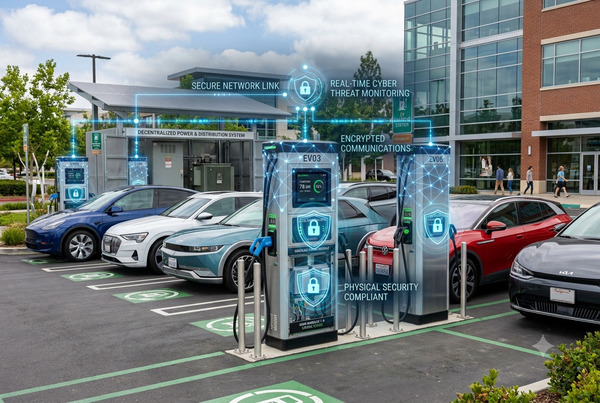
I have worked with many charge point operators and fleet managers as general manager at Parwatt New Energy. We supply DC fast chargers and power modules that must perform reliably in connected environments. I have seen how security oversights lead to downtime, lost revenue, and damaged reputation. Our team designs equipment with secure communication features because we know operators cannot afford weak points. In this article I share the key lessons and best practices that every operator should follow in 2026. These steps help protect networks, users, and the growing EV charging infrastructure.
Why Smart EV Chargers Are Becoming Prime Targets for Cyberattacks?
Smart EV chargers are no longer simple power outlets. They connect to the internet, payment systems, and sometimes the grid itself. This connectivity makes them attractive targets. Attackers can take remote control, steal sensitive data, disrupt service, or even use chargers as entry points to larger networks. The risks grow as more sites come online in 2026.
Smart EV chargers face rising cyber threats because they handle payment data, connect to critical infrastructure, and often use remote management. A single breach can lead to financial loss, service outages, data theft, or wider grid problems. Operators who ignore these risks leave their networks exposed to increasingly sophisticated attacks.
The Growing Attack Surface
EV chargers now sit at the intersection of transportation, energy, and digital payments. A compromised charger can allow attackers to manipulate charging sessions, steal credit card details, or create denial-of-service conditions across multiple sites. In some cases the charger network links back to corporate systems or utility controls, opening doors for lateral movement.
I remember speaking with a charge point operator who discovered unusual activity on several remote chargers. Someone had tried to access the management interface using default credentials. The attempt failed because basic protections were in place, but the incident showed how quickly attackers scan for weak targets. Similar probes happen daily across the industry.
Here is a table that outlines the main types of threats facing smart EV chargers:
| Threat Type | What Attackers Can Do | Potential Impact | Who It Affects Most |
|---|---|---|---|
| Remote takeover | Control charger functions from afar | Service disruption or safety issues | Public and commercial sites |
| Data theft | Steal payment or user information | Financial loss and regulatory fines | All operators handling payments |
| Grid disruption | Manipulate load or create instability | Wider power problems in extreme cases | Utilities and large networks |
| Ransomware | Lock systems until payment | Extended downtime and recovery costs | Fleet and workplace operators |
| Supply chain attack | Compromise through vendor software | Long-term hidden access | Sites using third-party platforms |
This table shows why the stakes are high. A single weak charger can affect an entire network. Charge point operators lose revenue during outages. Fleet managers face delayed operations. Real estate developers risk tenant complaints. The financial and reputational damage adds up quickly.
At Parwatt we see these concerns when clients ask about secure deployment of our FES-D30 DC EV Charger and other models. Our power modules include features that support encrypted communication, but the full protection depends on how the site is configured. Without proper practices even good hardware remains vulnerable.
The trend toward smarter, more connected chargers continues in 2026. More sites integrate with building systems, solar, and grid services. Each connection increases the attack surface. Attackers know this and actively look for easy entry points. Operators who treat cybersecurity as an afterthought expose themselves to growing risks.
Real Consequences of Weak Security
Service interruptions hit revenue directly. A charger that is offline cannot earn money. Data breaches bring regulatory penalties and loss of customer trust. In serious cases attackers could manipulate charging to damage vehicles or create safety issues, though strong controls reduce this possibility. The combination of financial, operational, and trust impacts makes cybersecurity a core business requirement rather than a technical side issue.
Common Cybersecurity Mistakes Made by Charger Operators and Owners
Many operators still make basic security errors that leave doors open. Default passwords stay unchanged. Firmware updates get delayed. Networks lack proper separation. Some assume their sites are too small to attract attention. These mistakes create easy opportunities for attackers and lead to preventable incidents.
Common cybersecurity mistakes include leaving default passwords active, skipping regular updates, failing to segment networks, and underestimating threats. These oversights allow attackers to gain access quickly and move through systems. In 2026 these errors remain among the top causes of breaches in charging infrastructure.
The Most Frequent Errors
Default credentials top the list of problems. Many chargers and backend systems ship with factory usernames and passwords that are never changed. Attackers use automated tools to scan for these known defaults and gain entry within minutes. Once inside they can change settings, extract data, or install persistent access.
Skipping firmware and software updates is another major gap. Manufacturers release patches for known vulnerabilities. When operators delay or ignore these updates the chargers remain exposed to exploits that have already been fixed elsewhere. Outdated systems become low-hanging fruit.
Lack of network segmentation allows attackers who compromise one charger to reach payment systems, corporate networks, or other chargers. Without isolation a single weak point can lead to a much larger breach.
Some owners believe their sites are too small or not important enough to be targeted. In reality automated scanning tools look for any vulnerable device regardless of size. A small workplace site can still hold valuable payment data or serve as a stepping stone to larger targets.
Here is a table that contrasts these common mistakes with better approaches:
| Mistake | Why It Happens | Better Practice | Result of Improvement |
|---|---|---|---|
| Default passwords left active | Convenience or oversight during setup | Change all credentials immediately and use strong unique passwords | Blocks automated attacks |
| Delayed firmware updates | Fear of downtime or lack of process | Schedule regular updates with testing | Closes known vulnerabilities |
| No network segmentation | Cost or complexity concerns | Isolate charger networks from other systems | Limits breach spread |
| Assuming "we are too small" | Underestimating automated threats | Treat all connected devices as targets | Proactive protection mindset |
| Ignoring vendor security guidance | Focus only on basic functionality | Follow manufacturer security recommendations | Stronger overall posture |
This table makes the gaps clear. At Parwatt we advise clients to treat security as part of the initial deployment rather than an add-on. Our 30kW Power Module and 40kW Power Module support secure protocols, but operators must still configure the surrounding network correctly.
I have spoken with operators who discovered breaches only after unusual billing patterns or customer complaints. In most cases the root cause traced back to one of these basic mistakes. Fixing them early prevents far larger problems later.
Why These Mistakes Persist
Many charging projects move fast to meet deployment deadlines. Security gets deprioritized in the rush. Some teams lack dedicated cybersecurity expertise. Others assume the charger vendor handles everything. In reality operators share responsibility for configuration, updates, and network design. The combination of speed, skill gaps, and unclear ownership keeps these mistakes common even in 2026.
Key Cybersecurity Best Practices for Smart EV Chargers
Strong cybersecurity for smart EV chargers rests on several core practices. Network segmentation limits damage. Encryption protects data in transit. Access controls verify who can manage the system. Regular updates close vulnerabilities. Continuous monitoring detects problems early. Together these steps create a resilient defense.
Effective cybersecurity for EV chargers requires network segmentation, strong encryption, strict access controls, timely firmware updates, and ongoing monitoring with incident response plans. These practices work together to prevent unauthorized access, protect data, and enable quick recovery if something goes wrong. Operators who implement them reduce risk significantly.
Core Practices in Detail
Network segmentation isolates the charger network from other systems. Payment processing, corporate IT, and building management should sit on separate segments. If one area is compromised the attacker cannot easily move to others. Firewalls and access control lists enforce the boundaries.
Encryption ensures that data traveling between chargers, management platforms, and payment processors cannot be read or altered by attackers. Use TLS for communications and certificate-based authentication where possible. This prevents man-in-the-middle attacks and protects sensitive information.
Access control means verifying every user and device that connects to the management system. Replace default accounts with strong, unique credentials. Implement multi-factor authentication for remote access. Limit permissions so users only have the access they need for their role.
Regular firmware and software updates close known security holes. Establish a process to test and deploy patches promptly. Many modern chargers support remote updates, which makes the task easier when planned well.
Continuous monitoring and logging help detect suspicious activity early. Look for unusual login attempts, unexpected configuration changes, or abnormal power patterns. Have a clear incident response plan so the team knows what to do when something looks wrong.
Here is a practical checklist presented as a table of best practices:
| Practice | Key Actions | Why It Matters | Implementation Tip |
|---|---|---|---|
| Network segmentation | Separate charger, payment, and corporate networks | Limits lateral movement after breach | Use VLANs or dedicated firewalls |
| Encryption and secure protocols | Enable TLS and certificate authentication | Protects data and commands in transit | Verify during initial setup |
| Strong access control | Change defaults, add MFA, use role-based permissions | Prevents unauthorized entry | Audit accounts regularly |
| Timely updates | Monitor vendor releases and apply patches | Closes known vulnerabilities | Test in staging environment first |
| Monitoring and response | Log activity and create incident plans | Detects and contains threats quickly | Integrate with existing security tools |
This table gives operators a clear starting point. At Parwatt our chargers and power modules are built to support these practices through secure communication interfaces. You can explore our full EV charging range in the EV Charger Category.
I have seen sites transform their security posture after adopting these measures. One fleet operator moved from frequent manual checks to automated monitoring and reduced response time dramatically. Another commercial site added segmentation and stopped worrying about a single compromised charger affecting the whole operation.
Building a Complete Approach
These practices work best when applied together rather than in isolation. Segmentation without monitoring still leaves blind spots. Updates without access control cannot prevent initial entry. A layered approach, often called defense in depth, gives the strongest protection. In 2026 this layered mindset is becoming the expected standard for any professional charging operation.
How Leading Charging Networks Are Implementing Strong Cybersecurity in 2026
Leading charging networks treat cybersecurity as a core part of operations rather than an afterthought. They adopt recognized frameworks, invest in tools, and share lessons across the industry. Their experience shows what works at scale and offers a model for smaller operators.
Leading networks in 2026 use network segmentation, continuous monitoring, regular updates, and compliance with standards such as ISO 27001 or NIST guidelines. They often partner with specialized security firms and integrate security into procurement and deployment processes. These steps reduce incidents and build customer trust.
Current Industry Approaches
Many large networks now require vendors to meet specific security requirements before equipment is purchased. This includes support for encrypted communications, secure boot, and timely patch delivery. Procurement teams evaluate security posture alongside price and performance.
Network segmentation has become standard practice. Charger networks sit behind dedicated firewalls and do not share infrastructure with payment processing or corporate systems unless absolutely necessary. When connections are required they pass through tightly controlled gateways.
Continuous monitoring tools watch for anomalies in real time. Some networks use security information and event management platforms that correlate logs from chargers, backend servers, and network devices. Alerts trigger rapid response teams.
Regular penetration testing and vulnerability assessments help identify weaknesses before attackers do. Results feed back into update processes and configuration improvements.
Here is a table summarizing common practices among leading networks:
| Practice Area | Common Implementation | Observed Benefit | Example Focus |
|---|---|---|---|
| Segmentation | Dedicated charger VLANs and firewalls | Reduced breach impact | Isolation from payment systems |
| Updates | Automated or scheduled patch deployment | Faster vulnerability closure | Firmware and backend software |
| Authentication | Certificate-based and MFA | Stronger access control | Remote management interfaces |
| Monitoring | Centralized logging and anomaly detection | Earlier threat detection | Power and configuration changes |
| Compliance | Alignment with NIST or ISO frameworks | Clear standards and audits | Procurement and operations |
This table reflects trends we see in the market. At Parwatt we design our equipment, including the Battery Buffered Ultra Rapid EV Charger, to align with these expectations. Secure communication and update capabilities are built in so operators can meet higher standards without starting from scratch.
Results and Lessons
Networks that invest early report fewer incidents and faster recovery when problems occur. They also gain an advantage in winning contracts with enterprises and governments that now include security requirements in tenders. Smaller operators can adopt the same principles at a scale appropriate to their sites. The core ideas of segmentation, updates, access control, and monitoring apply whether you manage ten chargers or ten thousand.
I have noticed that the most successful operators view security as an ongoing program rather than a one-time project. They review configurations regularly, stay in touch with vendors about updates, and adjust practices as threats evolve. This continuous approach keeps pace with the changing landscape in 2026.
Ready to Secure Your EV Charging Infrastructure? Here’s Your Next Step
Securing your EV charging network starts with an honest assessment of current practices. From there you can prioritize the highest-impact changes and build a plan that fits your operation. Many operators find that basic improvements deliver major risk reduction quickly.
Begin by assessing your current charger configurations, network setup, and update processes. Prioritize changing default credentials, enabling segmentation where possible, and establishing a regular update schedule. Seek guidance from vendors or security specialists if needed. Taking these steps now protects your investment and builds trust with users.
Practical Next Steps
Start with an inventory. List all chargers, management platforms, and connected systems. Note which ones still use default passwords or have not been updated recently. This baseline reveals the biggest gaps.
Review network architecture. Determine whether charger traffic is isolated from other systems. If not, plan segmentation using existing firewalls or additional controls. Even partial isolation helps.
Establish an update process. Identify who is responsible for monitoring vendor releases and testing patches. Schedule updates during low-traffic periods and keep records of what was changed.
Strengthen access controls. Change all default credentials immediately. Add multi-factor authentication for any remote management. Review user accounts and remove unnecessary access.
Add monitoring if it is not already present. Start with basic logging of login attempts and configuration changes. Set alerts for unusual activity.
Here is a simple action checklist in bullet form:
- Inventory all chargers and connected systems.
- Change every default password and implement strong unique credentials.
- Enable network segmentation between charger and other networks.
- Create a schedule for firmware and software updates.
- Turn on logging and basic monitoring with alerts.
- Document an incident response process for security events.
- Review vendor security guidance and apply relevant recommendations.
At Parwatt we support clients through these steps with equipment that includes secure communication features. Our chargers and power modules are designed to work within protected environments. You can learn more about secure deployment approaches in our guide on Electric Vehicle Charging.
Many operators begin with the highest-risk items such as default passwords and segmentation. These changes often deliver the largest immediate improvement. From there they expand into monitoring and formal processes. The key is to start rather than wait for a perfect plan.
Conclusion
Cybersecurity is no longer optional for smart EV chargers — it is a critical requirement for safe and reliable operation. As charging networks grow and integrate deeper with the grid and payment systems, the risks of cyberattacks increase significantly. Implementing best practices such as network segmentation, regular updates, strong authentication, and continuous monitoring helps protect both operators and users. At Parwatt we build our chargers and power modules with security considerations in mind. In 2026, proactive cybersecurity measures will be a key differentiator for trusted charging providers. Don’t wait for an incident. Start securing your smart EV chargers today to build a resilient and trustworthy charging infrastructure.

--- END ---
Related Posts


Business Ideas

Business Ideas
