

Smart Charging: How to Balance Grid Demand with User Convenience in 2026
Jun 25,2026
Uncontrolled EV charging spikes power demand during peak hours. Electricity bills climb fast for users. Grids risk overload and blackouts. Drivers face unreliable service.
Smart charging shifts sessions to off-peak times and balances loads. It cuts costs by 20 to 40 percent while keeping cars ready when needed. Users enjoy lower bills and better reliability without big changes to habits.
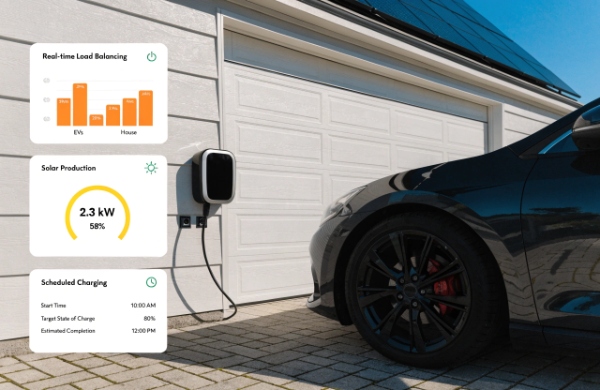
I have led Parwatt New Energy for years. We build EV chargers for homes, fleets, and businesses across many markets. Uncontrolled charging creates real headaches for grids and users every day. I see the problems up close in projects with charge point operators and property teams. Smart charging solves these issues by working with the grid instead of against it. Let me walk you through what works and why it matters in 2026.
Why Uncontrolled EV Charging Is Creating Major Problems for Both the Grid and Users?
Peak hour charging pushes electricity demand too high. Grids strain under sudden loads. Users pay higher rates and sometimes wait for available power. This setup hurts everyone involved.
Uncontrolled charging creates grid overload risks and higher bills. Users experience unexpected costs and service issues. Smart systems fix these by adjusting power automatically while respecting user needs.
In my work at Parwatt I talk to utility partners and fleet managers often. One factory client added 50 basic chargers for employee cars. During evening peak the local grid hit limits. Breakers tripped and charging slowed. Employees left with partial charges. The company faced complaints and higher demand charges from the utility. Simple math showed thousands in extra costs each month.
Grid Side Problems Grow Fast
Grids were built for steady demand. Thousands of EVs plugging in at the same time change everything. Peak loads rise sharply in evenings. Transformers overheat. Utilities spend more on upgrades or risk outages. In some areas regulators already limit new charger installs without smart controls.
Public networks suffer too. Unmanaged fast chargers pull massive power. This leads to higher wholesale costs that pass to users. Low reliability drives drivers back to gas cars. The problems compound as EV numbers grow in 2026.
User Side Pain Points
Drivers expect full batteries in the morning. Basic chargers start immediately when plugged in. This often hits high rate periods. Bills surprise people at month end. In apartments and workplaces shared circuits overload. One charger works fine but ten at once cause voltage drops or shutdowns.
I remember a real estate client who installed basic wall units in a new building. Tenants loved the idea at first. Then evening charging caused slow speeds and frequent errors. Tenant satisfaction dropped. Move out rates rose slightly. The developer called us for help with smart upgrades.
Business and Fleet Impacts
Fleet operators run tight schedules. Uncontrolled charging delays departures when power limits kick in. Maintenance costs climb with inconsistent power. Multi-unit buildings face expensive panel upgrades if they add many chargers without management.
Here is a quick comparison table of problems:
| Issue | Uncontrolled Charging Effect | Impact on Users and Grid |
|---|---|---|
| Peak Demand | Sudden high load in evenings | Grid strain, higher utility costs |
| Electricity Rates | Charges during expensive times | 20-40% higher bills for drivers |
| Reliability | Frequent slowdowns and errors | Frustrated users, lower EV adoption |
| Infrastructure Cost | Need bigger panels and transformers | Delays projects and raises expenses |
These issues slow the EV transition. They waste money for everyone. At Parwatt we see the pattern repeat across projects. Basic chargers work for one or two cars. Larger setups need smart features to avoid trouble. Our EC01 wall charger includes load balancing to prevent these exact problems. You can check it here: https://www.parwattparts.com/ec01-wall-charger/
Smart charging changes the game by shifting load and balancing power. It protects the grid and saves users money at the same time. Without it the problems will only grow in 2026 as more EVs join the roads.
Common Misconceptions About Smart Charging That Stop People from Adopting It?
Many believe smart charging is too complicated for daily use. Others think it slows charging or only benefits the grid. These wrong ideas keep good technology on the shelf.
Common misconceptions block smart charging adoption. People worry about complexity and lost convenience. In reality smart systems make charging easier and cheaper while protecting the grid.
I hear these myths in client meetings all the time. A small business owner once told me smart chargers sounded like extra work. He stuck with basic units. Six months later high bills and grid warnings forced him to upgrade anyway. The switch took one afternoon and cut his costs right away.
Myth One: Smart Charging Is Too Complex
Modern apps make control simple. You set your departure time once. The system handles the rest. No daily tweaks needed. Most users check the app once a week at most. Our Parwatt chargers use clear interfaces that work on phones and tablets.
Myth Two: It Slows Down Charging
Smart charging prioritizes your needs. If you need the car full by 7 AM it delivers. It just avoids peak hours when possible. Total charge time stays similar or better because power stays steady without overload drops. Users report full batteries every morning with lower costs.
Myth Three: Smart Charging Only Helps the Grid
Users gain the most. Cost savings of 20 to 40 percent add up fast. Convenience features like remote start and monitoring save time. Solar integration uses free home power first. The grid benefits too but users see direct wins in their wallets and reliability.
Myth Four: It Only Works for New Installs
Many existing chargers upgrade with smart modules or software. Load balancing works on shared circuits without full rewiring. Fleets and buildings use it to add more units safely. The technology fits many setups.
Bullet points of real user benefits we see at Parwatt:
- Automatic off-peak scheduling saves money without user effort.
- App notifications alert you to issues before they matter.
- Dynamic power adjustment prevents overloads in apartments.
- Solar priority maximizes free renewable energy.
These misconceptions slow progress. In 2026 smart features become standard. Early adopters already enjoy lower bills and smoother operation. Our blog on electric vehicle charging explains more details: https://www.parwattparts.com/blog/electric-vehicle-charging/
Leaders who move past the myths build better systems. They avoid future problems and gain competitive edges in fleets and properties.
How Smart Charging Works: Balancing Grid Demand While Keeping User Convenience?
Smart charging uses software and sensors to adjust power flow. It responds to grid signals and user preferences. This balance keeps costs low and cars ready on time.
Smart charging manages power intelligently. It shifts sessions, balances loads, and integrates with renewables. Users keep full control through simple apps while the system handles optimization.
At Parwatt we design these systems for real world use. One project with a corporate fleet used smart controls on 40 chargers. The software learned typical departure times. It spread charging across off-peak windows. Electricity costs dropped 35 percent in the first quarter. Drivers reported cars always ready with no extra steps.
Core Technology Principles
Smart chargers connect to the internet or local networks. They talk to utilities, solar inverters, and building management systems. Sensors track power use in real time. Algorithms decide when and how much power to deliver.
Key functions include:
- Time of use optimization that prefers cheap electricity periods.
- Dynamic load balancing that shares available power fairly.
- User priority settings that override for urgent needs.
- Remote monitoring and updates for easy management.
Practical Working Examples
At home a smart charger plugs into Wi-Fi. You enter your morning departure in the app. The system checks electricity rates and solar production. It starts charging when power costs least or solar output peaks. If you change plans the app updates instantly.
In multi-unit buildings the system watches total building load. It reduces power to chargers during high demand from elevators or AC. No one notices because cars still finish on time. This avoids expensive main panel upgrades.
Integration with Renewables and Fleets
Solar powered homes see big wins. Smart chargers pull from panels first. Excess energy charges the car instead of exporting at low rates. V2G capable units send power back during peaks for credits.
Fleets use central software to manage dozens of vehicles. The system assigns chargers based on route schedules and battery levels. It prevents all trucks charging at once after a shift. Our power modules and wall chargers support these advanced setups. Check our solutions page for more: https://www.parwattparts.com/solutions
Technical Details Made Simple
The charger measures incoming power. It communicates with the car battery management system. Software runs calculations every few seconds. Power levels adjust smoothly. Users see progress on apps but never feel interruptions.
This technology scales from single home units to large commercial sites. OCPP standards let different brands work together. Security features protect data and prevent unauthorized access.
Smart charging delivers the balance everyone needs. It respects user convenience first while helping the grid stay stable. In 2026 this approach becomes the smart choice for new installs and upgrades.
What Sets Leading Smart Charging Solutions Apart in 2026?
Top systems offer dynamic load management, seamless app control, and renewable integration. They support V2G and future proof designs. Basic chargers cannot match these capabilities.
Leading smart charging stands out through advanced features and real results. Dynamic balancing, user friendly apps, and energy optimization give clear advantages over basic options.
I compare solutions every month with clients. One CPO upgraded their network with smart controls. Utilization rose and maintenance calls dropped. Users gave higher ratings because cars charged reliably at lower effective costs.
Dynamic Load Management
This feature watches total site power and adjusts each charger. It prevents overloads without manual intervention. Buildings add more units safely. Fleets charge more vehicles on existing infrastructure. Savings on upgrades reach tens of thousands.
App Control and User Experience
Modern apps let you set preferences once. The system learns patterns over time. Remote start, status checks, and sharing access work from anywhere. Notifications keep you informed without constant monitoring.
Renewable Integration and V2G
Smart chargers pair with solar for maximum self use. They store excess daytime power in EV batteries. V2G lets vehicles support the home or grid during peaks. Owners earn credits while helping stability. This technology moves from pilot to mainstream in 2026.
Here is a feature comparison table:
| Feature | Basic Charger | Leading Smart Charger |
|---|---|---|
| Load Balancing | None | Dynamic real-time adjustment |
| Scheduling | Manual only | Automatic with user preferences |
| Solar Integration | Limited | Priority use and optimization |
| V2G Capability | No | Bidirectional energy flow |
| Monitoring | Local only | App and cloud with alerts |
| Future Proofing | Basic | OCPP and software updates |
Fleet and Commercial Advantages
Large sites gain most. Software coordinates hundreds of sessions. It avoids demand charges and balances with other building loads. Reports show exact savings and uptime. Operators make data driven decisions.
At Parwatt our EC01 series includes many of these smart features from the start. Wi-Fi, scheduling, metering, and app control come standard. Higher models add advanced load management. See details here: https://www.parwattparts.com/ec01-wall-charger/
Leading solutions also focus on security and ease of install. They work with existing electrical setups where possible. Updates happen over the air so systems improve without new hardware.
The gap widens in 2026. Smart systems deliver lower total ownership costs and better performance. Businesses and homeowners who choose them stay ahead of rising energy prices and grid rules.
Ready to Upgrade to Smart Charging? Here’s Your Next Step?
Evaluate your current setup and driving habits first. Then pick compatible smart equipment and plan the install. Small steps today lead to big savings tomorrow.
Upgrading to smart charging starts with simple assessment. Check your needs and site conditions. Choose reliable solutions and take action. Parwatt helps at every stage.
I guide clients through this process regularly. A homeowner with solar panels wanted better energy use. We reviewed his panel capacity and driving schedule. He chose a smart wall charger with solar priority. Installation took one day. His electricity bill for the car dropped sharply and he uses more of his own solar power.
Step by Step Assessment
Start by listing daily miles and typical plug in times. Check your electrical panel rating and current loads. Review electricity rate plan for time of use periods. Note any solar or battery storage already in place.
Choosing the Right Equipment
Look for OCPP compliance, app control, load balancing, and good support. Match power level to your car and needs. Start with Level 2 for most homes. Consider future V2G if available in your area.
Installation and Setup Tips
Hire qualified electricians familiar with smart systems. Test the app and settings after install. Set initial preferences for departure times and priorities. Monitor the first week and adjust as needed.
Bullet points for quick action:
- Download apps from top brands and try demo modes.
- Request quotes that include smart features and install.
- Check local incentives for smart charger rebates.
- Join user forums to learn real experiences.
For businesses audit multiple sites and pilot on one location first. Track results before full rollout. Our team at Parwatt provides custom guidance for fleets and properties. Explore more on our fleet electrification blog: https://www.parwattparts.com/blog/fleet-electrification-charging-strategy-2026/
The next step is easier than most people expect. Start small and scale with confidence. Smart charging pays for itself fast through savings and reliability.
Conclusion
Smart charging is no longer a nice-to-have technology — it is becoming essential for making EV charging sustainable, affordable, and convenient. By intelligently balancing grid demand with user needs, it helps reduce electricity costs, prevent overloads, and improve the overall charging experience. In 2026, the gap between basic chargers and smart systems is widening. Those who adopt smart charging now will enjoy lower bills, greater reliability, and better integration with renewable energy. The future of EV charging is smart. Start exploring smart charging solutions today to stay ahead of the curve.

--- END ---
Related Posts
Business Ideas

Business Ideas

Business Ideas

Business Ideas


