

The Evolution of the EV Charging Industry in 2026 and Beyond: Key Trends & What’s Next
Jun 04,2026
You see more EVs on the road every day. Yet charging remains frustrating with slow speeds and unreliable stations.
The EV charging industry evolves fast in 2026 with smart tech, better integration, and policy support. This brings faster, cleaner, and more reliable options for drivers and businesses.
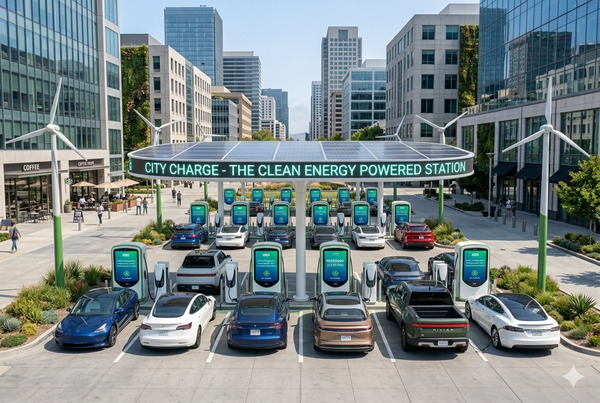
In my role as General Manager at XIAMEN PARWATT NEW ENERGY TECHNOLOGY CO.,LTD, I witness this evolution daily. I worked with a charge point operator in Europe who upgraded to our smart solutions. Their uptime improved and user complaints dropped. This project reinforced how innovation addresses real industry needs.
Why the EV Charging Industry Is Facing More Challenges Than Most People Realize in 2026
You celebrate EV growth. Then you face grid strain and uneven access.
The industry deals with heavy grid pressure, inconsistent charging speeds, high installation costs, and poor user experiences. These issues slow adoption despite rising EV sales.
I speak with fleet operators, real estate developers, and energy utilities often. Many describe similar struggles. One automotive OEM partner faced integration delays across regions. Targeted smart charging helped them move forward. At Parwatt, we build products that tackle these exact challenges.
Key challenges include:
- Grid overload from simultaneous charging peaks.
- Uneven infrastructure between cities and rural areas.
- High costs for upgrades and installations.
- Variable user experiences across different stations.
- Supply chain and standardization gaps.
| Challenge | Impact in 2026 | Affected Groups |
|---|---|---|
| Grid pressure | Frequent overload risks | Utilities and CPOs |
| Slow or uneven speeds | Driver frustration | Homeowners and fleets |
| High costs | Slower rollout | Real estate developers |
| Reliability issues | Low user confidence | Retail and hospitality |
These realities affect daily operations. Explosive growth creates gaps. Urban areas advance while rural spots lag. Smart systems become essential to manage loads.
Our EC01 wall charger helps homes and businesses handle loads better. Check our Level 2 vs Level 3 charging for practical comparisons.
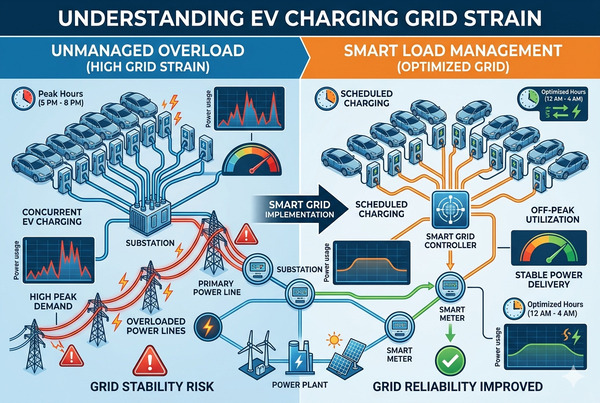
Many underestimate grid bottlenecks. More EVs mean higher demand. Without management, peaks cause issues. Installation costs rise with upgrades. User experience suffers from inconsistent apps and downtime.
Fleet operators report downtime costs. Workplace clients want seamless employee charging. We address these with scalable solutions.
Policy helps but implementation varies. Building codes update slowly in some regions. This creates uneven progress.
I recall a municipal project where grid concerns delayed rollout. Our load management features eased the process. It showed the value of practical tech.
Environmental factors add layers. Extreme weather affects performance. Reliability becomes critical for confidence.
These challenges are real but drive innovation. The industry shifts toward smarter systems. Understanding them prepares you for what comes next. Leading solutions turn obstacles into opportunities.
Common Misconceptions About the Future of EV Charging That Could Mislead Investors and Drivers
You hear big promises about EV charging. Some ideas sound too good.
Common misconceptions include thinking infrastructure is already enough, ignoring grid limits, or overestimating new tech speed. These views mislead decisions.
I work with EV resellers, integrators, and investors. One wholesaler stocked basic units based on outdated assumptions. Customer feedback showed gaps. We adjusted to focus on smart features. Facts help everyone.
Major misconceptions:
- Infrastructure is sufficient for current and future demand.
- New technologies deploy quickly everywhere.
- Grid upgrades are simple and cheap.
- User experience issues will solve themselves.
- Policy support guarantees fast results.
| Misconception | Reality in 2026 | Better Perspective |
|---|---|---|
| Enough stations | Gaps remain in rural areas | Focus on smart density |
| Fast tech rollout | Pilots still expand | Plan for gradual adoption |
| Grid is ready | Bottlenecks persist | Use load management |
| UX improves automatically | Needs deliberate design | Prioritize reliable products |
| Policy solves all | Varies by region | Combine with private action |
These ideas cause poor investments. Infrastructure grows but unevenly. Grid bottlenecks need active management. V2G and renewables advance but need time.
Our EP01 portable EV charger offers flexible testing of new setups. Read our charge EV faster home vs public for real comparisons.
Smart charging counters many myths. Dynamic balancing prevents overloads. It works today in many locations.
Investors sometimes expect instant returns. Real progress mixes policy, tech, and infrastructure. Drivers want convenience now. Reliable options deliver it.
For government projects, mandates help but execution matters. We support compliance with certified products.
Personal experience from projects shows the gap. Early optimism met real grid tests. Smart integration bridged it.
These misconceptions slow progress. Clear views lead to better choices. The future favors practical, integrated solutions over hype.
Major Developments Shaping the EV Charging Industry in 2026 and Beyond
You want to know what drives change. Key developments shape the path ahead.
Major trends include smart charging growth, V2G momentum, renewable integration, and policy support. These create a smarter ecosystem.
I guide partners through these shifts. One energy utility pilot with our modules showed strong results. It highlighted practical benefits.
Core developments:
- Smart charging and load management become standard.
- V2G technology moves to wider use.
- Solar and hybrid solutions gain traction.
- User experience improvements through apps and standards.
- Policy and regulations accelerate deployment.
| Development | Description | Expected Impact |
|---|---|---|
| Smart Load Management | Dynamic power adjustment | Reduces grid stress |
| V2G Bidirectional | EVs support grid | New revenue for owners |
| Renewable Integration | Solar + charging | Cleaner energy |
| UX Enhancements | Better apps and uptime | Higher adoption |
| Policy Support | Incentives and codes | Faster rollout |
Global growth continues with gaps. Urban areas lead while rural catch up. Smart systems manage demand effectively.
Our battery-buffered ultra-rapid EV charger supports reliable high-speed sessions. Explore our electric vehicle charging insights.
Renewables pair well with EVs. Solar charging reduces grid reliance. Hybrids add flexibility.
V2G allows vehicles to give back power. This helps stability and creates owner benefits. Pilots expand in 2026.
User focus grows. Standardized connectors and fast troubleshooting build trust. Apps provide seamless control.
Policy drives much progress. Incentives lower costs. Codes require more stations in new builds. This shapes commercial models.
I see these in real projects. A real estate developer integrated solar with our chargers. Tenant satisfaction rose. It pointed to future trends.
These developments build on each other. Smart tech enables renewables. Policy supports both. The result is a more resilient system.
Businesses gain from early adoption. Fleets reduce costs. Workplaces attract talent. The evolution favors prepared players.
What Sets Leading Solutions Apart in the 2026 EV Charging Landscape
You look for solutions that stand out. What makes them different?
Leading options offer smart charging, V2G readiness, strong reliability, and excellent user experience. They integrate renewables effectively.
I recommend these to CPOs and OEMs. One corporate client chose our systems for scalability. Performance exceeded expectations.
Differentiating factors:
- Advanced load balancing and monitoring.
- Bidirectional capabilities for V2G.
- Seamless solar and storage integration.
- High uptime with easy diagnostics.
- User-friendly apps and standardized interfaces.
| Feature | Leading Advantage | Benefit to Users |
|---|---|---|
| Smart Management | Prevents overloads | Reliable sessions |
| V2G Support | Grid services | Potential earnings |
| Renewable Ready | Solar compatibility | Lower costs |
| Diagnostics | Quick issue resolution | High uptime |
| App Experience | Intuitive control | Convenience |
Our FES-D30 DC EV charger represents leading performance with smart features.
Reliability sets leaders apart. Robust builds handle daily demands. Regular updates keep them current. This reduces downtime.
User experience improves with clear interfaces. Fast troubleshooting builds confidence. Standardized connectors ease use.
Integration with renewables adds value. Solar setups lower bills. Battery options ensure availability.
For fleets, scalability matters. Centralized management helps. We provide OCPP-compliant tools.
Personal projects show the difference. Early basic units had issues. Advanced solutions delivered consistency. This drives satisfaction.
Leading solutions balance cost and performance. They prepare for future needs like higher power and V2G.
Businesses benefit through branding and efficiency. Homeowners gain convenience. The gap widens between average and excellent options.
How to Prepare for the Future of EV Charging – Actionable Steps for Homeowners and Businesses
You want to stay ahead. Practical steps help you prepare.
Assess needs, choose smart equipment, plan integrations, and monitor policy. Act now for advantages.
I advise many partners on this. A fleet operator followed these steps and expanded smoothly. Results included cost savings and reliability.
Actionable steps:
- Evaluate current infrastructure and future needs.
- Invest in smart and renewable-ready chargers.
- Implement load management from the start.
- Stay informed on policies and incentives.
- Partner with experienced providers for installation.
| Step | For Homeowners | For Businesses |
|---|---|---|
| Assessment | Check panel and roof | Audit fleet and sites |
| Equipment | Smart Level 2 | Scalable DC fast |
| Integration | Solar options | V2G pilots |
| Monitoring | App usage | Centralized systems |
| Partnerships | Certified installers | OEM and CPO allies |
Our EP02 portable EV charger with display helps test future setups easily.
Homeowners start with load checks. Add solar for independence. Smart apps optimize timing.
Businesses scale with management software. Pilot V2G for revenue. Train staff on maintenance.
Policy monitoring unlocks incentives. Building codes affect new projects. Early action captures benefits.
I emphasize quality. Our 30kW power module supports commercial growth.
Regular reviews keep systems current. Firmware updates and cleaning maintain performance.
These steps build resilience. Individuals enjoy convenience. Businesses gain competitive edges. Preparation turns evolution into opportunity.
Conclusion
The EV charging industry in 2026 is no longer just about installing more stations — it’s about building a smarter, more reliable, and sustainable ecosystem. From faster charging speeds and vehicle-to-grid technology to better integration with renewable energy, the sector is evolving rapidly to meet growing demand.
While challenges like grid capacity and user experience remain, the direction is clear: smarter, cleaner, and more convenient charging is the future. Staying informed and making proactive choices today will help both individuals and businesses benefit from this exciting evolution.
The charging revolution is accelerating. Position yourself ahead of the curve.
FAQ
1. What are the biggest changes in the EV charging industry in 2026?
Smart charging, V2G adoption, and renewable integration accelerate.
2. Will EV charging become significantly faster in the next few years?
Yes, with DC fast chargers and better infrastructure.
3. How will V2G technology impact EV owners?
It enables grid support and potential new revenue streams.
4. Is solar-powered EV charging practical for most homes in 2026?
Yes, with incentives and smart integration it becomes cost-effective.
5. What role will government policies play in EV charging development?
Policies drive incentives, codes, and faster deployment.
6. How can businesses benefit from investing in EV charging infrastructure now?
They gain efficiency, attract customers, and prepare for growth.

--- END ---
Related Posts

Industry News

Business Ideas

Business Ideas

Business Ideas

Business Ideas
