

Common EV Charging Problems and Easy Fixes: Troubleshooting Guide 2026
Jun 05,2026
You plug in your EV for a quick charge. Nothing happens or it stops suddenly. The frustration builds fast.
Most EV charging problems stem from simple power connections, settings, or maintenance issues. Quick troubleshooting and reliable equipment solve them without major costs or delays.
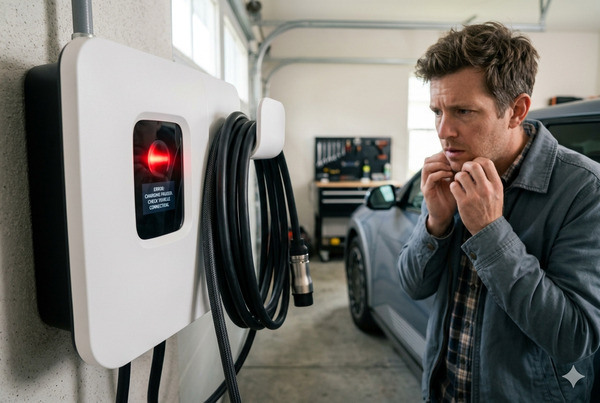
In my years as General Manager at XIAMEN PARWATT NEW ENERGY TECHNOLOGY CO.,LTD, I have seen many charging issues across different setups. I remember one fleet operator who struggled with frequent stops. Basic checks and our durable chargers fixed most problems quickly. This experience shows how knowledge and quality products help everyone.
Why EV Charging Problems Are More Common Than Most Owners Expect
You expect smooth EV charging at home or work. Yet errors appear more often than you thought.
Charging failures, slow speeds, sudden stops, and app issues create real inconvenience. They disrupt your day and make EV ownership less enjoyable.
I speak with charge point operators, fleet operators, and real estate developers often. They report the same frustrations. One workplace client saw employee complaints rise because of inconsistent sessions. Simple changes reduced issues significantly. At Parwatt, we design products to minimize these pains.
Problems feel common because of several factors. More EVs mean higher usage on home systems. Smart chargers add connectivity layers that sometimes fail. Weather changes affect performance. Installations vary in quality. Maintenance gets overlooked.
- Increased EV adoption strains existing electrical setups.
- Smart features bring new points like Wi-Fi drops.
- Temperature extremes impact battery and charger behavior.
- Varied home wiring leads to compatibility issues.
- Busy lives mean less regular equipment checks.
| Problem Type | How Common | Main Owner Frustration |
|---|---|---|
| Connection failures | Very high | Delayed departures |
| Slow charging | High | Wasted time waiting |
| App glitches | Rising | Loss of remote control |
| Sudden stops | Frequent | Interrupted plans |
Power supply issues top the list according to our customer data. Loose cables or tripped breakers cause many failures. App problems grow with smart models. These affect daily convenience for homeowners and businesses.
Our EP02 portable EV charger with display shows clear status to help spot problems early. Read our Level 2 vs Level 3 charging article for helpful context.
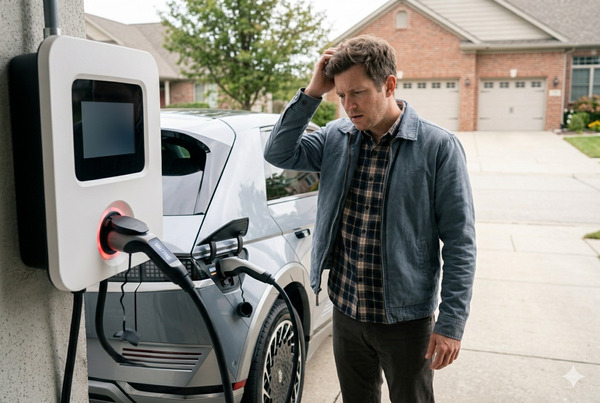
Many owners do not prepare for real-world conditions. Home electrical systems interact with chargers in complex ways. Cold weather slows charging to protect batteries. Heat causes safety reductions. Fleet operators see these at scale. Consistent equipment and training make a big difference. We focus on robust designs.
Home setups differ a lot. Older houses often have wiring limits. New ones need correct load configuration. Realistic expectations prevent disappointment. I recall a corporate campus project where app issues caused complaints. Firmware updates and Wi-Fi improvements solved it fast.
Environmental factors matter. Dust and moisture affect connectors. Poor ventilation leads to overheating. Regular checks stop small issues from growing. Retail chains and hospitality venues need reliable charging to keep customers satisfied. Downtime affects business directly.
Smart chargers offer convenience but introduce network risks. Knowing these causes lets you act quickly. These problems happen often but stay solvable. The right knowledge turns frustration into fast fixes. You get back on the road with less stress.
The Most Frequent EV Charging Issues and Their Hidden Causes
Your charger acts strangely. You wonder what went wrong.
Frequent issues include no start, slow rates, sudden stops, app failures, and weather effects. Hidden causes usually tie to power, setup, or care.
I work with automotive OEMs and EV resellers. They see patterns across many units. One partner had returns from poor installation advice. Better guidance improved results. We learn from every case.
Common issues and causes:
- No charging starts: Loose plugs, faulty outlets, or tripped breakers.
- Slow charging: Wrong amp settings, high heat, or vehicle limits.
- Sessions stop suddenly: Overheating or power fluctuations.
- App does not connect: Wi-Fi problems or old firmware.
- Cold weather slowdown: Battery protection and communication errors.
| Issue | Hidden Cause | Quick Clue to Check |
|---|---|---|
| No charging | Power supply fault | No lights or error |
| Slow speed | Load or temperature | App shows low amps |
| Sudden stop | Safety protection | Unit feels warm |
| App failure | Network issue | No remote control |
| Weather impact | Extreme temperatures | Slower in cold |
Power supply problems cause the most failures. Household circuits often lack dedication to the charger. Shared outlets or weak breakers create trouble. Our EC01 wall charger has strong diagnostics. Explore our AC vs DC EV charging for more insights.
Cables wear and collect dirt. This disrupts signals. Simple cleaning fixes many. Slow charging comes from multiple sources. Vehicles limit current for safety. Load management protects your home. Settings need correct adjustment.
Sudden stops protect gear. Overheating from blocked vents or hot days triggers them. Winter low temperatures affect batteries too. App issues involve weak signals or outdated software. Resets often work.
Municipal projects need high reliability. Public use increases wear. Durable builds and checks help. I advised utilities where fluctuations caused stops. Better monitoring cut them down.
Improper setup leads to early trouble. Wrong cables or missing calculations cause trips. Parwatt’s EP01 portable EV charger gives flexibility and real-time data for testing.
| Cause Category | Approx Share | Easy Prevention |
|---|---|---|
| Electrical power | 40% | Dedicated circuit |
| Physical connections | 25% | Clean and inspect |
| Software connectivity | 20% | Regular updates |
| Environment weather | 15% | Good placement |
Customer feedback and tests confirm most issues are not defects. They come from usage and setup. Spotting hidden causes speeds fixes. You save money and keep performance high. Regular care avoids repeats.
Easy Step-by-Step Troubleshooting Guide for Common EV Charging Problems
Charging stops unexpectedly. You need fast, clear steps.
This prioritized guide helps diagnose and fix most problems. Begin simple before expert help.
I share these with workplace and homeowner clients. One fleet reduced calls sharply after team training. It works well.
Prioritized steps:
- Start with power and connections.
- Check settings and app.
- Look for damage or heat.
- Restart devices.
- Update and test further.
| Priority | Action | What Success Looks Like |
|---|---|---|
| 1 | Check outlet, breaker, cable | Lights turn on |
| 2 | Clean and secure plugs | Good connection sound |
| 3 | Adjust settings in app | Charging starts |
| 4 | Power cycle everything | Temporary faults clear |
| 5 | Update firmware | Persistent issues resolve |
Our car battery charger guide offers related vehicle power tips.
Always inspect visually first. Look for loose parts or damage. Avoid shared high-power outlets. Reset breakers if needed. Test outlets with other devices.
No start? Confirm power reaches the charger. Clean vehicle port. Listen for secure click. Slow charging needs app review. Match amps to circuit. Lower temporarily to test. Improve ventilation for heat.
Sudden stops need care. Unplug safely. Cool down if warm. Read error codes. Restart charger and vehicle. App fixes include router restart and re-pairing. Our chargers offer stable links.
In cold weather precondition the car. Use garage parking. Give extra time. Log patterns for repeats. Note time and conditions.
Parwatt battery-buffered ultra-rapid EV charger adds smart diagnostics. It smooths operations.
Call professionals for smells, repeated trips, or damage. Electricians manage wiring safely. Adapt steps for home, portable, or public use. Maintenance like monthly cleans prevents issues.
I apply these in wholesaler projects. Staff training builds better support. You gain confidence and resolve issues fast. Daily charging becomes reliable again.
Why Choosing Reliable Chargers and Proper Setup Prevents Most Issues
Repeated problems wear you down. Better choices stop them.
Reliable chargers, smart functions, and correct setup prevent most troubles. Quality and installation matter long term.
I advise integrators and developers. One project cut complaints with good equipment. Service savings were big.
Key benefits:
- Safety features catch issues early.
- Load management avoids overloads.
- Strong build handles use.
- Updates keep software fresh.
- Expert install matches your system.
| Feature | Benefit | Prevents These Issues |
|---|---|---|
| Monitoring alerts | Early warnings | Hidden faults |
| Dynamic balancing | Safe power use | Trips and stops |
| Durable materials | Weather resistance | Physical wear |
| App control | Easy management | Connectivity loss |
| Correct wiring | Full performance | Slow charging |
Our FES-D30 DC EV charger delivers reliable service.
Reliable units pass strict tests. They protect against surges and heat. This stops problems proactively. Setup begins with load checks. Electricians confirm capacity. Dedicated circuits help. Sizing matches needs.
Smart tools adjust power. Apps schedule for best times. Updates fix bugs. Professional install ensures safety and codes. DIY risks early failures.
Maintenance keeps things smooth. Clean ports. Check cables. Watch logs. Good placement reduces environment effects. Cold areas need rated units.
Corporate sites gain from monitoring. OCPP helps integration. Our early lessons led to better diagnostics. Customers now report fewer issues.
| Charger Type | Reliability Level | Setup Needs | Long Term Performance |
|---|---|---|---|
| Basic portable | Moderate | Simple | Needs more attention |
| Smart wall | High | Professional recommended | Very stable |
| Commercial | Very high | Expert install | Minimal problems |
Parwatt products like LP8 multi-functional car air pump support broader care. Focus stays on excellent charging. Good choices give peace of mind. You invest smartly for hassle-free use.
Ready to Solve Your EV Charging Issues for Good? Here’s What to Do Next
Problems no longer need to control your routine. You have the tools now.
Check your setup today. Clean connections and update software. Upgrade if issues persist. Get professional help when needed.
We at Parwatt offer reliable options and support. Visit our EV charger category for solutions.
Act today. Apply the guide steps. Choose quality for lasting results. Reach out for advice.
Conclusion
EV charging problems can be frustrating, but most issues are easy to diagnose and fix with the right knowledge. Understanding common problems and having a simple troubleshooting process helps you get back to charging quickly and avoid unnecessary service calls.
In 2026, with more advanced chargers and better app integration, many problems can be prevented through proper installation and regular maintenance. Investing in a quality charger and learning basic troubleshooting saves time, money, and stress.
Don’t let charging issues ruin your EV experience. Use this guide as your go-to reference and enjoy reliable, hassle-free charging.
FAQ
- Why is my EV charger not working or not charging? Check power supply, connections, and breakers first.
- Why is my EV charging so slowly? Verify settings, temperature, and load management.
- What should I do if the charging session suddenly stops? Unplug safely, check for overheating, and restart.
- Why won’t my EV charger connect to the app? Ensure Wi-Fi strength and update firmware.
- Can cold weather cause EV charging problems? Yes, it slows rates and may cause errors.
- When should I call a professional for EV charger issues? For electrical problems, repeated failures, or visible damage.

--- END ---
Related Posts
Business Ideas

Business Ideas

Business Ideas

Business Ideas


