

Rise of Ultra-Fast Chargers (300kW+): Real-World Performance, Benefits & Limitations in 2026
Jun 10,2026
Ultra-fast chargers promise to fill your EV in minutes. Yet many users experience slower actual speeds and high costs in daily use.
Ultra-fast chargers (300kW+) deliver impressive top-up speeds in ideal conditions but face real limits from battery heat, grid capacity, and vehicle compatibility. They work best for specific scenarios rather than universal daily charging.
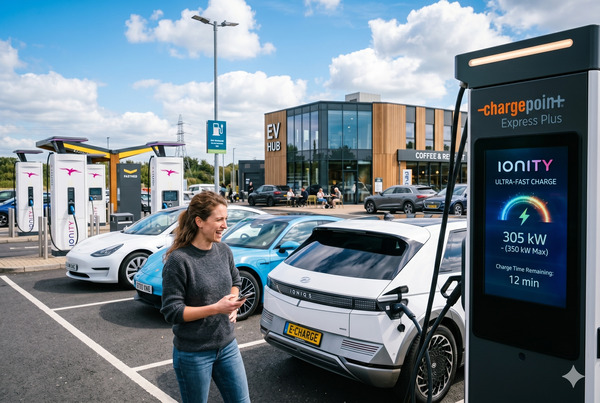
In my role as General Manager at XIAMEN PARWATT NEW ENERGY TECHNOLOGY CO.,LTD, I have evaluated many high-power projects with operators and fleet partners. One highway corridor deployment using our solutions showed strong performance for long-distance travelers while maintaining good utilization. These experiences highlight both the potential and practical boundaries of ultra-fast technology.
Why Ultra-Fast Chargers Sound Revolutionary But Often Disappoint in Real Life
You hear about 300kW+ chargers and expect instant full charges. Reality brings surprises.
Actual speeds often fall short of peak ratings, high temperatures cause throttling, battery concerns arise, utilization stays low, and costs run high. These issues create disappointment for many users and operators.
I talk with charge point operators, fleet managers, and real estate developers regularly. They report similar frustrations. One public network partner invested heavily in ultra-fast units only to see sessions taper quickly and costs mount. At Parwatt, we emphasize matching power to real needs for better results.
Common disappointments include:
- Peak power lasts only briefly before tapering.
- Heat buildup forces speed reductions.
- High upfront and grid upgrade expenses.
- Limited vehicle compatibility reduces benefits.
- Lower than expected daily usage.
| Issue | Real-World Effect | Common Complaint |
|---|---|---|
| Speed tapering | Shorter effective range add | Takes longer than advertised |
| Thermal limits | Reduced rates in heat | Inconsistent performance |
| High costs | Expensive infrastructure | Poor ROI |
| Compatibility | Not all EVs benefit | Wasted potential |
| Utilization | Idle expensive stations | Revenue shortfalls |
These problems stem from physics and infrastructure realities. Battery thermal management plays a big role. Grid connections for high power demand major upgrades. Many locations lack the demand to justify costs.
Our FES-D30 DC EV charger balances high power with practical operation. Read our Level 2 vs Level 3 charging for foundational understanding.
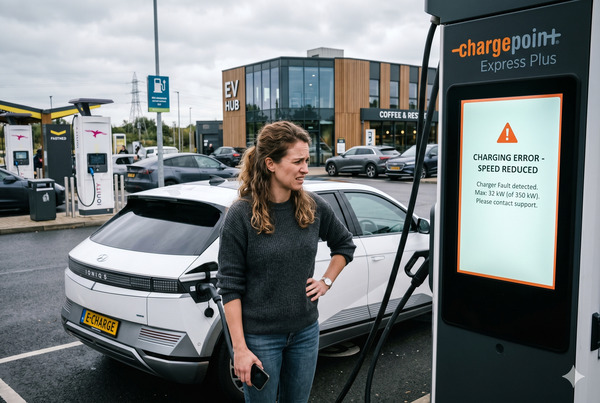
Fleet operators often see better results on routes with long-distance needs. Urban home users rarely need such speeds. Public sites struggle with variable traffic. I recall a municipal project where ultra-fast chargers underperformed due to grid constraints. Smart planning helped optimize.
High costs include electrical upgrades and maintenance. Utilization must stay high for payback. Battery acceptance limits mean not every session hits full power. Understanding these realities prevents overinvestment and sets proper expectations. Ultra-fast technology excites but requires careful application to deliver value in 2026.
Common Misconceptions About 300kW+ Ultra-Fast Charging That Lead to Wrong Expectations
You believe faster always means better. This mindset creates unrealistic hopes.
Common misconceptions include assuming maximum speed all the time, ignoring battery limits, thinking every EV can use full power, and overlooking grid and cooling needs. These lead to disappointment.
I work with EV resellers, integrators, and investors. One wholesaler pushed ultra-fast units based on peak numbers. Customer feedback revealed gaps. We focused on education for better matches. Facts correct these views.
Key misconceptions:
- Chargers always deliver 300kW+ throughout sessions.
- All modern EVs handle full ultra-fast rates easily.
- Higher power justifies cost for every use case.
- Grid infrastructure supports them everywhere.
- Battery impact is negligible regardless of frequency.
| Misconception | Reality | Resulting Problem |
|---|---|---|
| Constant max speed | Tapers after initial burst | Slower real adds |
| All EVs ready | Compatibility varies | Limited benefit |
| Always worth it | Depends on usage | Poor economics |
| Grid always ready | Upgrades needed | Deployment delays |
| No battery worry | Thermal management required | Degradation concerns |
Battery state of charge affects rates heavily. Early sessions charge faster. Heat forces reductions. Newer models with advanced cooling perform better. Older or smaller battery packs see less advantage.
Our battery-buffered ultra-rapid EV charger mitigates some grid and thermal challenges. Explore our AC vs DC EV charging for deeper technical context.
I advised a corporate fleet where misconceptions led to overbuying power. Analysis showed AC sufficient for most depot needs. Hybrid approach saved costs. Public operators face similar issues with variable vehicle types.
Misconceptions drive poor site selection and expectations. Real performance depends on conditions. Grid upgrades remain expensive. Proper education helps operators and users choose wisely. This avoids frustration and improves overall satisfaction with EV charging.
How Ultra-Fast Chargers (300kW+) Actually Perform in Real-World Conditions
You want honest data on performance. Real conditions tell the story.
Ultra-fast chargers achieve high initial rates but taper due to battery state, temperature, and vehicle limits. Different scenarios show varied results in 2026.
I review performance data with partners regularly. One highway operator using our equipment saw strong average adds for travelers. Factors like these shape outcomes.
Real performance aspects:
- Peak power in 10-60% SOC range.
- Temperature and cooling influence sustained rates.
- Vehicle acceptance limits maximum draw.
- Grid stability affects consistency.
- Usage patterns determine daily effectiveness.
| Condition | Typical Performance | Key Influence |
|---|---|---|
| Low SOC, cool battery | Near peak rates | Best case |
| High SOC or heat | Significant taper | Thermal management |
| Compatible new EV | Higher average kWh | Cooling systems |
| Older vehicle | Limited benefit | Acceptance rate |
| Strong grid | Consistent delivery | Infrastructure quality |
Actual speeds often reach 150-250 kW sustained in good conditions rather than full 300kW+. Sessions add meaningful range quickly but not instantly for full charges. Hybrid networks combine with AC for efficiency.
Our 30kW power module supports reliable high-power deployments. Check our electric vehicle charging for operational data insights.
Highway locations perform well for long-distance users. Fleet routes with scheduled stops benefit. Urban dense areas face grid and utilization hurdles. Data shows best results with proper vehicle matching and site planning.
I saw a test where temperature rise cut rates midway. Advanced thermal systems helped maintain better averages. Public sites need high traffic for viability. Understanding these patterns helps set accurate expectations and optimize investments. Real-world data guides smarter deployment decisions across different environments.
When Ultra-Fast Charging Makes Sense — And When It Doesn’t
You need to know where high power adds value. Context decides.
Ultra-fast charging suits long trips, high-turnover fleets, and highway corridors. It often does not make sense for home daily use or short urban trips due to costs and limited need.
I consult on these decisions with various clients. A logistics fleet combined ultra-fast at hubs with AC at bases. ROI improved. Clear scenarios emerge.
Makes sense for:
- Long-distance highway travel with quick top-ups.
- High-utilization fleet operations.
- Commercial sites with short dwell times.
- Locations with strong grid and demand.
- Newer compatible vehicles.
Does not make sense for:
- Overnight home or workplace charging.
- Short daily commutes.
- Low-traffic urban spots.
- Budget-constrained projects.
- Older vehicles with lower acceptance.
| Scenario | Recommendation | Reason |
|---|---|---|
| Highway travel | Ultra-fast DC | Quick range add |
| Home daily | AC Level 2 | Cost effective |
| Fleet depot | AC primary | Full charges overnight |
| High traffic hub | Ultra-fast mix | High turnover |
| Urban short trip | AC sufficient | No need for speed |
Cost-benefit favors targeted use. High upfront expenses need strong utilization. Home AC provides better economics for routine needs. Hybrid sites balance both worlds effectively.
Our EP02 portable EV charger with display helps test needs before full commitment. Visit our EV charger category for options.
I worked with a retail developer who added selective ultra-fast units. Customer convenience rose without overspending everywhere. Fleets gain from reduced downtime. Most daily drivers find AC plenty. Matching power to actual patterns delivers best value and avoids unnecessary expense.
Ready to Decide If Ultra-Fast Charging Is Right for You? Here’s Your Next Step
You have the insights now. Action helps you decide.
Evaluate your driving patterns, review infrastructure, and plan strategically. Choose solutions that fit your real requirements.
I support clients through these decisions. One operator assessed routes and deployed targeted ultra-fast chargers. Performance met goals. Practical steps lead to success.
Next steps include:
- Analyze your typical trips and stop durations.
- Check local grid capacity and upgrade costs.
- Review vehicle compatibility with high power.
- Consider hybrid AC and DC approaches.
- Consult experts for site-specific advice.
| Step | Key Action | Benefit |
|---|---|---|
| Usage review | Log daily mileage | Match to needs |
| Infrastructure check | Panel and grid assessment | Avoid surprises |
| Compatibility test | Vehicle specs review | Maximize value |
| Hybrid planning | Combine charger types | Balanced solution |
| Expert consult | Professional guidance | Optimized results |
Our EP01 portable EV charger offers flexible starting points. Contact us for project support.
Start with honest data on your habits. Prioritize locations with proven demand. Balance costs with benefits. These actions prevent disappointment and ensure effective charging. Businesses and individuals who plan well gain advantages in convenience and efficiency. Take the step toward charging that truly serves your lifestyle.
Conclusion
Ultra-fast chargers (300kW+) represent an exciting leap in EV technology, promising dramatically shorter charging times. However, real-world performance in 2026 shows they are not a universal solution. Their true value depends heavily on vehicle compatibility, location, usage patterns, and grid capacity.
For long-distance travel, high-utilization fleets, and highway corridors, ultra-fast charging delivers clear advantages. For most home and daily urban use, well-placed Level 2 AC chargers often provide better overall economics and convenience.
The smartest approach is matching charger speed to your actual needs — not chasing the highest number. Understanding real-world performance helps you invest wisely in the evolving EV charging landscape.
FAQ
- How fast can 300kW+ ultra-fast chargers really charge an EV?
They deliver rapid initial rates but taper based on conditions, often adding 100-200 miles in 15-25 minutes.
- Do ultra-fast chargers damage the battery?
Modern thermal management systems minimize degradation when used within vehicle limits.
- Are 300kW+ chargers worth the higher cost?
They provide value in high-utilization scenarios like highways and fleets but not for most daily use.
- Which EVs can actually use 300kW+ charging effectively?
Newer models with advanced cooling and larger batteries benefit most.
- Where are ultra-fast chargers most useful in 2026?
Highway corridors, fleet hubs, and high-traffic commercial locations.
- Will ultra-fast charging become standard for home use?
Unlikely due to cost and grid requirements; AC remains practical for homes.

--- END ---
Related Posts


Business Ideas

Business Ideas

Business Ideas

Business Ideas
