

How Energy Storage Solutions Are Integrating with EV Chargers in 2026 (Benefits, Costs & Real-World Use)
Jun 09,2026
The rapid growth of electric vehicles puts huge pressure on power grids. Many sites face high costs, slow charging, and outages during peak times.
Energy storage solutions integrate with EV chargers to store power and release it when needed. This cuts electricity bills, supports faster charging, and provides backup during grid issues. Businesses see real savings and reliability in 2026.
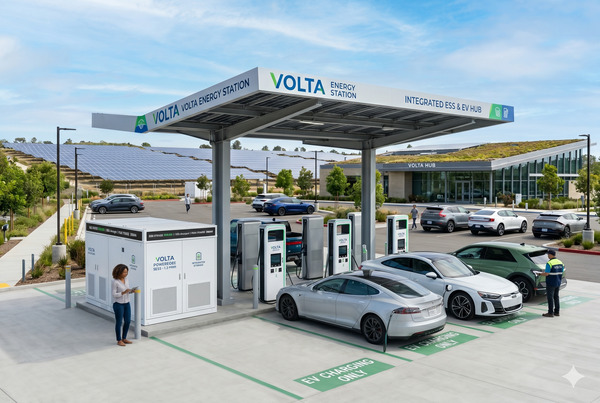
At Parwatt, we help customers solve these challenges every day. Our experience shows that adding storage makes EV charging smarter and more profitable. Let me share what works in real installations.
Why EV Charging Without Energy Storage Is Becoming Increasingly Problematic
Peak demand from EV chargers strains local grids and raises costs fast. Many operators report delays and higher bills without storage support.
Without energy storage, EV charging faces grid limits, high peak charges, and unreliable power. Sites often cannot add more chargers or charge quickly during busy hours. This leads to lost business and unhappy users.
I have seen this issue many times in our work at XIAMEN PARWATT NEW ENERGY TECHNOLOGY CO.,LTD. Fleet operators tell me their charging stations sit idle during high demand periods because the grid cannot keep up.
Energy storage addresses several key issues that affect EV charging today. First, peak shaving becomes possible. Chargers draw power during off-peak hours and store it for later use. This avoids expensive demand charges that utilities apply during busy times. For example, a commercial site might pay 30-50% less on electricity bills by shifting load.
Second, grid capacity limits stop many projects. Many locations have old transformers that cannot support multiple fast chargers. Installing energy storage lets operators add chargers without waiting for costly grid upgrades. This saves months of delay and thousands in fees.
Third, power outages disrupt operations. Without storage, charging stops completely during blackouts. Battery systems provide seamless backup power. This keeps fleets moving and customers happy. In 2026, reliability matters more as EV adoption grows.
Let me share a quick comparison table of charging without and with storage:
| Aspect | Without Storage | With Storage |
|---|---|---|
| Peak Electricity Cost | High | Reduced by 30-50% |
| Charging Speed in Peak Hours | Slow or limited | Consistent and fast |
| Grid Upgrade Needs | Often required | Minimal or none |
| Backup During Outages | None | Full support |
| Solar Integration | Limited | Excellent self-use |
- High demand charges eat into profits for CPOs and fleet operators.
- Limited grid connection prevents scaling in urban areas.
- Variable renewable energy causes unstable charging speeds.
- Installation delays from utility approvals slow business growth.
- Downtime during peak seasons hurts customer satisfaction.
Our 30kW Power Module works well in these setups. It pairs with storage to deliver stable power. Check our blog on Level 2 vs Level 3 Charging for more details on power needs.
Real estate developers and workplace managers face extra challenges. They want to offer charging to attract tenants but worry about electrical bills. Storage solutions turn this into a benefit. They also support solar installations, which many sites now add.
In my years leading Parwatt, I have helped clients in Europe and Asia overcome these exact problems. One fleet operator cut their monthly energy costs by over 40% after integration. The key is planning early and choosing compatible systems.
These challenges explain why many now look at storage. Next, let us clear up some wrong ideas people have about battery integration.
Common Misconceptions About Battery Storage and EV Charging Integration
Many people think battery storage costs too much for their EV setup. This belief stops good projects before they start.
Battery storage integration is more affordable and practical in 2026 than most realize. Costs have dropped, payback periods shortened, and systems work with existing chargers. It fits homes, fleets, and commercial sites well.
I hear these concerns often when talking to potential partners. Let me address the main ones based on our real projects.
First misconception: Storage is only for solar users. This is not true. Battery systems work great with grid power alone. They store cheap off-peak electricity and release it during high prices. Even without solar panels, you gain big savings and stability.
Second misconception: Integration is too complex. Modern systems use smart software that handles most work automatically. Our solutions at Parwatt include plug-and-play options that connect easily to existing chargers. Technicians handle setup in days, not weeks.
Third misconception: Payback takes too long. In 2026, falling battery prices and rising electricity rates make ROI faster. Many commercial sites see payback in 3-5 years. Add incentives and it gets even better.
Fourth misconception: Storage only suits big installations. Modular designs let you start small. You can add capacity later as needs grow. This protects your initial investment.
| Misconception | Reality in 2026 |
|---|---|
| Too Expensive | Costs dropped; incentives available |
| Only for Solar | Works with grid or solar |
| Hard to Install | Modular and smart software |
| Long Payback | 3-5 years typical ROI |
| Not Scalable | Easy to expand modules |
- Energy storage improves charger efficiency even in small setups.
- Smart controls manage power flow automatically.
- Safety standards improved greatly with new battery tech.
- Maintenance is low with quality systems like ours.
- Integration supports OCPP protocols for monitoring.
Visit our Battery Buffered Ultra Rapid EV Charger page to see practical examples. Our EV Charging blog also covers these topics in depth.
Automotive OEMs and energy utilities often worry about compatibility. We design solutions that meet international standards and work with many charger brands. This flexibility removes barriers.
Government projects in Asia and Europe now require better energy management. Storage helps meet these rules while cutting costs. One municipal client used our systems to support public chargers without grid upgrades.
I remember a conversation with a real estate developer last year. He thought storage was overkill until we showed numbers from similar projects. After installation, his site handled 50% more charging sessions daily with lower bills.
Now that we cleared these wrong ideas, let us look at how the technology actually works in practice.
How Energy Storage Solutions Integrate with EV Chargers: Technical Overview & Practical Setup
Understanding the technical side helps you choose the right system for your needs. Proper integration ensures smooth operation and maximum benefits.
Energy storage integrates with EV chargers through DC or AC coupling, smart controllers, and power management software. Key steps include site assessment, component selection, and professional installation. In 2026, modular systems make setup easier than ever.
At Parwatt, we guide customers through every step. Our team has installed many systems across different regions.
The basic architecture includes batteries, inverters or converters, and a central management system. DC-coupled setups connect storage directly to the DC bus of chargers. This offers higher efficiency for fast charging. AC-coupled systems use separate inverters and suit retrofits on existing sites.
Practical setup starts with a load study. Technicians measure current power use and future EV demand. They check grid connection capacity next. Then they select battery size based on daily charging needs and backup requirements.
Different integration ways exist. One popular option uses battery-buffered chargers. These store energy locally and deliver high power on demand. Our E-Station 120 Mobile Battery Buffered EV Charging Power Station is a great example for fleets.
Installation tips include:
- Choose weatherproof enclosures for outdoor use.
- Integrate monitoring via OCPP for remote control.
- Plan cable routes to minimize losses.
- Test failover modes for reliability.
- Update software for latest features.
2026 mainstream schemes favor lithium-ion batteries with high cycle life. They last 10+ years with proper management. Hybrid systems combine solar, storage, and grid input for best results.
| Integration Type | Best For | Efficiency | Cost Level |
|---|---|---|---|
| DC-Coupled | New fast charging sites | High | Medium-High |
| AC-Coupled | Existing charger retrofits | Good | Lower |
| Hybrid Solar+Storage | Renewable focused operations | Very High | Medium |
| Mobile Buffered | Fleet and temporary use | High | Flexible |
- Start with professional energy audit.
- Select certified components for safety.
- Use smart EMS software for optimization.
- Ensure compliance with local codes.
- Train staff on basic monitoring.
Our Meta Mobile EV Charger with Battery offers flexible integration. Read our guide on AC vs DC EV Charging for deeper technical insights.
Charge Point Operators appreciate how these systems prevent overloads. The management software balances power between chargers and other building loads. This keeps everything running smoothly.
For workplace and corporate clients, aesthetic integration matters. Modern battery units fit neatly in parking areas or utility rooms. They add value without taking much space.
I have overseen setups where initial planning prevented later problems. One project in the Middle East used our power modules with storage to support 24/7 operations in hot conditions. The system performed reliably from day one.
With the technical basics covered, let us explore the actual benefits and returns operators see.
Real Benefits and ROI of Adding Energy Storage to EV Charging Systems
Operators want clear numbers on savings and performance gains. Energy storage delivers measurable improvements across operations.
Adding energy storage brings lower costs, higher reliability, better solar use, and future-proofing. Many sites achieve strong ROI through reduced bills and increased charging capacity.
In our work at Parwatt, we track these benefits closely with customers.
Lower electricity bills come first. Storage enables peak shaving and off-peak charging. Commercial sites often save 20-40% on energy costs. Demand charges drop significantly when power draw stays steady.
Grid independence improves resilience. During outages or high prices, stored power keeps chargers running. This reduces downtime and supports critical fleet operations. Real estate developers use this to offer reliable tenant services.
Solar synergy maximizes self-consumption. Batteries store daytime solar energy for evening charging. This cuts grid purchases and increases return on solar investment. Many new installations now include this combination.
Load management prevents overloads. Smart systems distribute power dynamically. This allows more chargers on the same connection. Fleet operators scale faster without expensive upgrades.
ROI improves rapidly in 2026. Battery prices continue to fall while electricity rates rise. Payback periods shortened to 3-5 years for many commercial cases. Government incentives in Europe and Asia help further.
| Year | Cumulative Savings | Net Benefit |
|---|---|---|
| 1 | $15,000 | Break even |
| 2 | $35,000 | Positive |
| 3 | $60,000 | Strong ROI |
| 5 | $120,000+ | Excellent |
- Increased charger utilization rates.
- Support for more vehicles per site.
- Better compliance with green regulations.
- Enhanced brand image as sustainable operator.
- Data insights from smart monitoring.
Our 40kW Power Module pairs perfectly with storage for high power needs. See the Ultimate Guide to Portable Air Pumps for complementary accessory ideas, though storage is the focus here.
Automotive accessory wholesalers and EV resellers benefit from bundled solutions. We offer white-label options that fit their branding needs.
One real-world case involved a logistics company in China. They integrated storage with our chargers and cut energy costs by 35% while doubling daily charging sessions. The system paid for itself faster than expected.
Energy utilities like the load balancing features. It helps stabilize the grid while supporting EV growth. Municipalities appreciate the public accessibility improvements.
These benefits make a strong case for action. Let us discuss your next steps.
Ready to Integrate Energy Storage with Your EV Chargers? Here’s Your Next Step
Taking the first step toward integration can feel overwhelming. Good planning makes the process straightforward.
Start by assessing your site needs, calculating potential ROI, and contacting experts for tailored advice. Parwatt offers consultations to match solutions to your exact situation.
I encourage every operator to evaluate their current setup.
Begin with a site audit. Measure current power capacity, daily charging patterns, and future growth plans. Tools and experts help identify the best storage size.
Calculate ROI using your local electricity rates and usage data. Factor in available incentives. Many regions offer support for green energy projects in 2026.
Choose compatible equipment. Look for systems that support OCPP and work with your chargers. Modular designs allow gradual implementation.
Contact professionals early. At Parwatt, we provide full support from design to installation and maintenance. Our team understands different regional requirements.
Actionable checklist:
- Review your electricity bills for peak patterns.
- Estimate daily kWh needs for EV charging.
- Check local incentives and regulations.
- Schedule a free consultation.
- Plan pilot installation if unsure.
Our EP02 Portable EV Charger with Display serves as a good starting point for smaller tests. Explore our full Solutions page for more options.
For wholesalers and integrators, we offer custom branding and flexible MOQ. This helps you enter the market quickly.
Government and corporate clients benefit from our compliance expertise. We handle certifications and documentation smoothly.
In my experience, the best time to start is now. Early adopters gain competitive advantages through lower costs and better service. One CPO client expanded their network faster after adding storage.
Energy storage is rapidly becoming a key enabler for reliable, cost-effective, and sustainable EV charging. By buffering power, managing peak demand, and integrating with solar, battery systems help overcome grid limitations while lowering operational costs.
In 2026, the combination of falling battery prices and smarter energy management software makes storage integration more accessible than ever — whether for homes, fleets, or commercial sites. The right storage solution can transform your EV charging from a cost center into a smart, resilient asset.
The future of EV charging is not just faster — it’s smarter and more independent. Start exploring energy storage options today to future-proof your setup.

--- END ---
Related Posts
Business Ideas

Business Ideas

Industry News

Business Ideas


