

The Impact of NACS Connectors on the North American EV Market in 2026: What It Really Means
Jun 23,2026
The switch to NACS connectors brings big changes to EV charging in North America. Many drivers and businesses feel confused about compatibility and future costs.
NACS is becoming the main standard, which simplifies charging long term but creates adapter needs and transition issues now. Major brands adopted it, yet full infrastructure support will take time. Smart preparation helps users and operators benefit sooner.
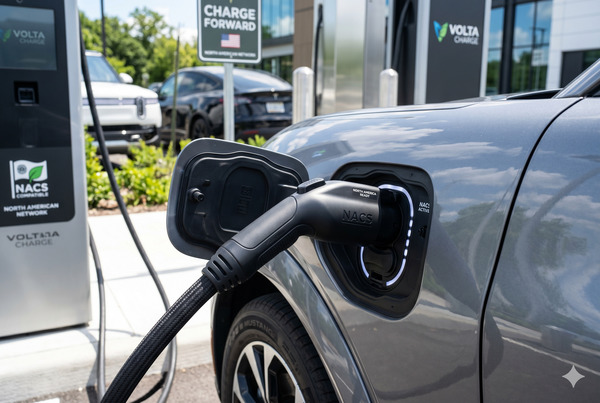
At Parwatt, we work with partners across markets and see the real effects of this shift every day. I want to share clear insights from our experience to help you navigate 2026 successfully.
Why the Shift to NACS Is Creating More Confusion and Uncertainty Than Most EV Owners Expected
Many EV owners worry about their current vehicles and charging habits during the NACS transition. Adapter problems and station compatibility create daily frustrations.
The shift to NACS leads to adapter reliance, compatibility worries, and investment concerns for non-Tesla vehicles. Drivers face uncertain charging experiences while businesses delay fleet upgrades due to transition risks.
I talk with fleet managers and car owners regularly in my role at XIAMEN PARWATT NEW ENERGY TECHNOLOGY CO.,LTD. The uncertainty is real during this phase.
The move toward NACS as the North American Charging Standard affects everyone differently. Early adopters with Tesla vehicles enjoy native support, but others need adapters that sometimes fail or slow charging. This creates hesitation for new EV purchases.
Infrastructure updates lag in many areas. Public stations still mix CCS and NACS, leading to long lines at compatible spots. Rural drivers feel the impact more because options remain limited.
Cost concerns add pressure. Businesses worry about replacing equipment or buying adapters for entire fleets. Home owners question if their wall chargers will work with new cars.
Here is a table showing common pain points:
| Challenge | Impact on Users | Impact on Businesses |
|---|---|---|
| Adapter Availability | Frequent failures | Higher maintenance costs |
| Station Compatibility | Longer search times | Lower utilization rates |
| Future Investment | Fear of obsolescence | Delayed fleet decisions |
| User Confusion | Frustration at stations | Negative reviews |
- Adapters add extra steps and reduce convenience.
- Different brand timelines create uneven experiences.
- Public charging networks update at different speeds.
- Cold weather affects adapter performance in some regions.
- Insurance and warranty questions arise with aftermarket adapters.
Our EP01 Portable EV Charger offers flexible options that help during transitions. Read our Level 2 vs Level 3 Charging article for power details that matter with new standards.
Real estate developers installing chargers for tenants face extra planning. They must choose equipment that supports both standards now to avoid future complaints. Fleet operators in logistics worry about downtime during conversions.
I recall helping a North American partner last year. Their team spent weeks testing adapters before choosing solutions that worked reliably. This experience shows why detailed research pays off.
These issues explain the current uncertainty. Next we will address some wrong ideas that make the situation seem worse.
Common Misconceptions About NACS Adoption That Are Misleading Drivers and Businesses
Many assume the NACS switch solves every charging problem overnight. This view ignores the practical steps still needed.
NACS adoption does not mean instant compatibility for all vehicles or stations. The transition takes time, and understanding the details helps avoid costly mistakes.
I hear these wrong ideas often from customers and industry contacts. Let me clarify based on real market data.
One common misconception is that NACS means one plug solves everything immediately. In truth, many vehicles and stations still use CCS during 2026. Adapters bridge the gap but add complexity.
Another misconception claims only Tesla benefits. Actually, Ford, GM, Rivian, Mercedes, BMW and others committed to NACS. This broad support speeds overall improvement even if timelines differ.
People also think adapters are always reliable. Real-world use shows weather, wear, and poor quality versions cause issues. Choosing good equipment matters.
Businesses sometimes believe full conversion is cheap and fast. Infrastructure upgrades require planning, permits, and investment. Phased approaches work better.
| Misconception | Actual Situation in 2026 |
|---|---|
| Instant Fix | Gradual rollout with adapters |
| Tesla Only | Multiple major brands involved |
| No Extra Costs | Adapters and upgrades needed |
| Universal Speed | Depends on vehicle and station |
- Native NACS offers better experience than adapters.
- Policy support varies by state and province.
- Charging networks balance both standards for now.
- User education reduces frustration at stations.
- Long-term savings come after full adoption.
Check our EC01 Wall Charger which supports modern standards well. Our blog post Charge EV Faster Home vs Public explains practical differences.
Automotive OEMs adjust their designs while charging operators update hardware. This coordinated effort reduces long-term problems but requires patience now.
Government projects push for faster standardization. This helps public infrastructure but creates short-term confusion for private sites.
My team at Parwatt worked with distributors facing these questions. We learned that clear communication and compatible products ease the process for everyone.
With misconceptions cleared, let us examine the current state of NACS in North America.
How NACS Is Reshaping the North American EV Charging Landscape – Current Status and Timeline
Drivers want to know exactly how NACS changes daily charging. Current progress and future plans provide needed clarity.
NACS features simpler design, higher power delivery, and growing support across vehicles and stations. Adoption accelerates in 2026 with many networks adding connectors and major brands offering native ports.
Our work at Parwatt keeps us close to these developments. We help partners prepare effectively.
NACS uses a compact connector that handles both AC and DC charging. This reduces the need for multiple plugs. Technical advantages include better sealing and easier handling in all weather.
Current status shows strong momentum. Tesla opened its network, and others follow. Charging operators install dual connectors or replace older ones gradually. Full coverage will take several years but new stations favor NACS.
Timeline highlights key dates. Many 2025-2026 vehicle models come with native NACS. Public stations aim for majority support by 2027-2028 in major areas. Rural regions move slower.
Infrastructure changes include new builds and retrofits. Operators add NACS ports to existing CCS stations. This dual approach maintains service during transition.
| Aspect | Current 2026 Status | Expected 2027-2028 |
|---|---|---|
| Vehicle Adoption | Many new models native | Most brands standard |
| Public Stations | Growing dual support | Majority NACS |
| Home Chargers | Adapter common | Native options increase |
| Power Delivery | Improved with native | Even faster reliable |
- New stations prioritize NACS for future proofing.
- Software updates improve recognition and billing.
- Safety features enhanced in latest designs.
- Regional differences exist between US and Canada.
- User apps now show connector availability clearly.
Our EP02 Portable EV Charger with Display works well with various connectors. Explore Electric Vehicle Charging on our site for more background.
Fleet operators update vehicles in phases to minimize disruption. Real estate developers specify NACS-ready equipment for new properties to attract EV owners.
I have seen networks in key states achieve high compatibility faster than expected. This progress builds confidence even as challenges remain.
Leading companies shape the future differently. Let us look at their approaches.
What Leading Players and Solutions Are Doing Differently with NACS Integration
Companies approach NACS in unique ways that affect users. Understanding these strategies helps with choices.
Tesla leads with open access while other automakers and operators add native support and dual systems. Performance varies but overall reliability improves with proper integration.
At Parwatt we monitor these developments closely to advise our partners.
Tesla opened its Supercharger network to other brands. This expanded access quickly. Other companies like Ford and GM integrate NACS in new models and offer adapter programs.
Charging networks like Electrify America and others install NACS alongside CCS. Some plan full conversions over time. This strategy reduces complexity long term.
Performance comparisons show native NACS often delivers faster and more consistent charging. Better contact and cooling contribute to advantages in real conditions.
Solutions differ by segment. Home users benefit from wall chargers with NACS capability. Fleets choose robust commercial units. Portable options help during travel.
| Player Type | Strategy | Benefit |
|---|---|---|
| Tesla | Network opening | Wider access |
| Other OEMs | Native ports + adapters | Smooth transition |
| Charging Operators | Dual connectors | Service continuity |
| Accessory Makers | Compatible products | User flexibility |
- Partnerships speed hardware availability.
- Software improvements fix early issues.
- Testing programs validate real-world performance.
- Training for installers ensures quality.
- Customer support focuses on common problems.
Our DC10 Car Battery Charger complements EV setups during transition. See How to Choose a Vacuum Cleaner for a Car for other useful accessories.
Automotive accessory wholesalers stock more NACS compatible items. EV resellers offer conversion kits and advice.
One successful project involved a corporate fleet that mixed native and adapter vehicles. With right planning they maintained high uptime.
These examples show different paths to success. Now consider your own next actions.
Ready to Navigate the NACS Transition Successfully? Here’s Your Next Step
The transition feels complex but clear steps make it manageable. Good preparation reduces risks.
Assess your current vehicle and charging needs, then choose compatible equipment and stay updated on local changes. Parwatt provides solutions that support both standards during this period.
I advise everyone to take practical steps now.
Start by checking your EV model and available adapters. Test them at local stations. Consider upgrading to native NACS vehicles when replacing.
For businesses, audit your fleet and charging infrastructure. Plan phased updates based on usage patterns. Budget for adapters and potential hardware changes.
Home owners should verify wall charger compatibility. New installations should include NACS support for future cars.
Stay informed through manufacturer updates and reliable sources. Join owner forums for real experiences.
Actionable checklist:
- Test adapters on your regular routes.
- Research incentives for upgrades.
- Consult professionals for commercial sites.
- Choose equipment with dual support when possible.
- Monitor software updates for your vehicle.
Our K4 Rechargeable Handheld Vacuum Cleaner keeps your EV clean while you focus on charging needs. Visit our Solutions page for full product range.
Government policies encourage faster adoption in some areas. Take advantage of available support programs.
In my experience, early planners avoid the biggest headaches. One client updated their charging stations ahead of schedule and gained competitive advantage with customers.
The adoption of NACS as the North American Charging Standard marks a significant shift toward standardization in the EV industry. While it promises simpler charging experiences and broader compatibility in the long run, the transition period in 2026 brings real challenges around adapters, infrastructure updates, and user confusion.
The good news is that major automakers and charging networks are moving quickly to support NACS. Understanding the timeline, preparing your vehicle or fleet, and choosing forward-compatible equipment will help you benefit from this change rather than being disrupted by it.
The future of EV charging in North America is becoming more unified. Stay informed and plan ahead to make the transition as smooth as possible.
FAQ
What is NACS and why is it important for North America?
NACS is the North American Charging Standard that simplifies EV charging with one main connector type across brands and stations.
Which car brands have adopted NACS so far?
Tesla, Ford, GM, Rivian, Mercedes, BMW and others have committed to NACS.
Do I need an adapter if my EV doesn’t have native NACS?
Yes, adapters are necessary during the transition for non-native vehicles.
How will NACS affect public charging stations?
Stations add NACS ports alongside CCS, with many planning more native support over time.
Is NACS better than CCS for charging speed and reliability?
Native NACS often provides better real-world performance and user experience.
When will most charging stations fully support NACS?
Major coverage is expected by 2027-2028, though timelines vary by region.

--- END ---
Related Posts


Business Ideas

Business Ideas
