

Plug and Charge Technology Explained: How It Works and Why It’s the Future of EV Charging in 2026
Jul 21,2026
Many EV drivers waste time and feel stressed every time they charge their cars. They juggle apps, scan codes, and enter payment details just to fill up. This old way of charging creates real barriers for new EV owners. I see this problem clearly in my role at Parwatt New Energy.
Plug and Charge changes the game completely. Your EV handles authentication and payment automatically when you connect the cable. It uses secure standards to talk with the charger. No apps or cards are needed anymore. Charging becomes as easy as parking and plugging in.
I have spent many years helping companies build better charging networks. I talk to charge point operators and fleet managers regularly. They all want simpler solutions for their users. Plug and Charge is one of the most promising ideas I have seen in recent times. It can remove the friction that holds back wider EV adoption. In this article I will explain how it works and why it matters in 2026 and beyond. I will also share some insights from our work at Parwatt. We design and supply DC fast chargers and power modules that already support advanced communication. Our team keeps a close eye on new standards so we can help our clients stay ahead.
Why EV Charging Still Feels Complicated and Time-Consuming for Most Drivers?
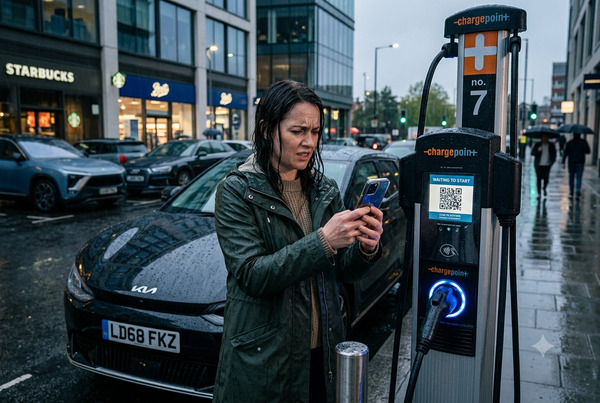
Most drivers still spend too much time and effort just to begin charging their EV. They must open an app, log in, find the right station, and complete several verification steps. These extra tasks turn a quick stop into a long ordeal. I hear stories about this frustration almost every week from our partners.
Traditional EV charging requires multiple apps, QR code scans, and payment setups for different networks. These steps often fail or take several minutes. Drivers lose time and patience, especially during bad weather or tight schedules. Plug and Charge removes these barriers for good.
The Real Daily Pain Points
I remember talking to a delivery fleet manager last year. His drivers lost up to fifteen minutes on some charges because the app would not load or the payment would fail. Over one month that added up to many lost hours across the whole team. This kind of waste hurts business and makes drivers unhappy with their EVs.
Let me walk through what usually happens. The driver parks at the station. He opens the phone and finds the right app for that network. Many stations belong to different companies. Each one needs its own login. Then he scans the QR code on the charger. Sometimes the code is dirty or the phone signal is weak. After that he picks the connector type and confirms the payment method. The system may ask for extra confirmation by email or text. Only then does the charger start. The whole sequence often takes five minutes or longer.
Here is a clear table that shows the common steps and the time they eat up:
| Step | What the Driver Must Do | Typical Time Lost | How It Feels |
|---|---|---|---|
| Locate and reach station | Check map and drive there | 1-2 minutes | Neutral |
| Open correct app | Search or switch between apps | 30-60 seconds | Annoying |
| Authenticate identity | Login, scan QR, or tap card | 1-2 minutes | Frustrating |
| Handle payment | Enter or confirm card details | 1 minute | Stressful |
| Wait for approval | System checks and starts session | 30-90 seconds | Impatient |
This table shows why charging still feels slow. Each small step adds up. The driver cannot just plug in and walk away like with gasoline. Rain, cold, or a dead phone battery makes it worse. Fleet drivers feel the pressure most because every minute counts for deliveries or passenger runs.
Many charge point operators still use these old methods. They want to keep customer data and control billing directly. But the result is a broken experience. A driver on a long trip may need four or five different apps. Each app has its own rules and updates. It is easy to get confused or locked out.
At Parwatt we listen to these complaints from the charge point operators we work with. They ask us for hardware that can support smoother processes in the future. That is why our FES-D30 DC EV Charger uses strong communication systems. It is ready for upgrades that reduce these pain points. We also offer the Battery Buffered Ultra Rapid EV Charger for sites that need fast and reliable service without long waits.
Road trippers and new EV owners feel the issue most. They do not want to learn a new app at every stop. Corporate workplace chargers have the same problem. Employees just want to plug in and get to work. The current system adds unnecessary steps that technology can remove. Plug and Charge was created exactly for this reason. It lets the car itself handle the talking and the paying.
How This Complexity Slows Down EV Growth
The extra steps also affect how people view electric cars. Some friends tell me they worry about charging on long drives. They hear stories about app problems and decide to wait before buying an EV. This hesitation slows the whole market. Charge point operators lose revenue when users give up and leave. Fleet managers see lower productivity.
The good news is that the industry knows the problem. New standards and better hardware are coming. Plug and Charge is the clearest answer so far. It turns charging into a simple physical action. The car and charger do the rest in the background. Drivers get more time back. Operators get fewer support calls. Everyone wins when the process becomes this easy.
Common Misconceptions About Plug and Charge Technology
Many people have wrong ideas about what Plug and Charge can and cannot do. These misunderstandings slow down adoption. I often correct these points when I speak with clients at Parwatt. Clear facts help everyone make better decisions.
Some drivers think Plug and Charge works on any charger or that it is unsafe. Others believe only expensive cars support it or that setup is still complicated. These ideas are not true. The technology is secure, growing fast, and already available on many new models in 2026.
Clearing Up the Biggest Myths
One common myth is that you can plug into any charger and it will work automatically. This is not correct. Both the car and the charger must support the ISO 15118 standard. The charger also needs a valid contract with the mobility operator. Without these pieces the automatic process will not start. The driver may still need to use an app as backup.
Another myth is that the system is not safe. People worry that hackers could steal payment details or control the charge. In reality Plug and Charge uses strong encryption and digital certificates. The car proves its identity with a signed certificate. The charger checks it against a trusted system. No card numbers or passwords travel over the connection. This method is actually more secure than many current app logins that can be phished or forgotten.
A third myth is that only luxury European cars have this feature. It is true that brands like Volkswagen, Mercedes, BMW, and Audi led the way. But in 2026 more models from Ford, General Motors, Hyundai, and Kia also support it. The list keeps growing every few months. New cars coming to market include the feature as standard on higher trims.
Some drivers also think they must buy special hardware or pay extra fees. The car usually comes with the needed software and certificate already installed. The driver may need to activate the service once with their charging provider. After that it works without further action. No extra box or monthly fee is required in most cases.
Here is a table that compares the myths with the facts:
| Myth | Reality in 2026 | Why the Myth Exists |
|---|---|---|
| Works on every charger | Needs ISO 15118 support on both sides | Early marketing was too simple |
| Not secure enough | Uses strong encryption and certificates | People fear any wireless or smart system |
| Only for luxury cars | Many mainstream brands now include it | First models were premium |
| Requires complicated setup | One-time activation then plug and go | Confused with app registration steps |
| Needs special charger hardware | Most new public fast chargers can add it | Old chargers lack the software |
This table helps show the real situation. The technology is ready for wider use. At Parwatt we see growing interest from our clients who want future-proof equipment. Our META Mobile EV Charger with Battery already uses advanced control systems. It can be updated to support Plug and Charge as networks expand.
Why These Misconceptions Matter
Wrong ideas create hesitation. A fleet manager may delay buying new vehicles because he thinks the feature is too limited. A charge point operator may not upgrade his stations because he believes the security risk is high. These delays slow progress for everyone.
I always tell our partners to check the actual specifications. Look at the car manual or ask the dealer about ISO 15118 support. For chargers, ask the supplier if the unit follows the Plug and Charge protocol. Clear information removes fear and helps people move forward.
The myths are fading as more real-world examples appear. Drivers who try it once usually want it on every future charge. The convenience is obvious after the first successful plug-in. As adoption grows the stories of success will replace the old doubts.
How Plug and Charge Technology Actually Works (ISO 15118 Explained)
The technology behind Plug and Charge follows a clear and secure process. I have studied the ISO 15118 standard with our engineering team at Parwatt. Understanding the steps helps explain why it feels so simple to the driver.
Plug and Charge works through secure two-way communication between the vehicle and the charger. The car identifies itself with digital certificates. The charger verifies the contract and starts the session automatically. Everything happens in seconds after the cable is connected.
The Step-by-Step Process
The process starts the moment the driver plugs in the cable. No phone or card is needed. The car and charger begin talking right away.
Step 1: Basic Connection and Low-Level Signaling
The cable connects the car to the charger. A basic pilot signal confirms the connection and the maximum power available. This step is similar to older chargers. It happens in less than a second.
Step 2: High-Level Communication Setup
The car and charger then open a secure encrypted channel. They use power line communication or a separate link. They agree on encryption keys using TLS. This protects all later messages from being read or changed by outsiders.
Step 3: Certificate Exchange and Identity Check
The car sends its contract certificate. This certificate was issued by the mobility operator and proves the car belongs to a valid account. The charger checks the certificate against a public key system. If everything matches, the charger knows who to bill.
Step 4: Authorization and Energy Flow
The charger confirms the contract allows charging at this location and power level. It then starts the flow of electricity. The car and charger exchange metering data in real time. The driver can walk away immediately.
Step 5: End of Session and Billing
When the driver unplugs or stops the session, the charger records the final energy amount. It sends the data back through the secure channel. The mobility operator bills the correct account. The whole record stays private and accurate.
Here is a comparison table that shows the difference from traditional charging:
| Aspect | Traditional App Method | Plug and Charge Method |
|---|---|---|
| Driver action | Open app, scan, confirm payment | Only plug in the cable |
| Authentication | Manual login or QR scan | Automatic via certificate |
| Payment | Card or wallet in app | Handled by contract in background |
| Time to start | 2 to 5 minutes | Under 30 seconds |
| Security | App login can be weak | Strong encryption and certificates |
| Cross network use | Often needs new app | Works across networks with agreements |
This table makes the improvement easy to see. The driver does almost nothing. The technology handles the hard parts safely.
At Parwatt we design our power modules and chargers with these future needs in mind. Our 30kW Power Module already supports rich communication protocols. We are preparing updates so our equipment can work smoothly with Plug and Charge networks. You can see more of our EV charging hardware in the EV Charger Category.
Security and Reliability Details
The system uses public key infrastructure. Each certificate has a limited life and can be revoked if needed. The communication is encrypted end to end. No personal payment data moves between the car and charger. This design reduces fraud and protects user privacy better than many app systems.
The process also handles errors well. If the certificate check fails the charger can fall back to manual methods. The driver is never left without options. Reliability is high because the standard has been tested for years in Europe and is now spreading to other regions.
I believe this clear process is why Plug and Charge feels magical the first time someone uses it. The car simply knows what to do. The charger responds correctly. The driver gets on with their day.
Key Benefits of Plug and Charge for Drivers, Operators, and Fleets in 2026
Plug and Charge brings real advantages to everyone involved in EV charging. I see these benefits when I speak with our clients at Parwatt. The improvements touch daily convenience, security, speed, and cost.
Drivers save time and avoid stress. Operators reduce support costs and increase station use. Fleets gain predictable operations and happier drivers. In 2026 these gains are becoming available on more vehicles and public chargers than ever before.
Benefits Broken Down by Group
Drivers gain the biggest everyday win. They park, plug in, and leave. No phone in the rain. No forgotten passwords. No failed payments. The charge starts fast and ends cleanly. On long trips this simplicity reduces range anxiety. Families and occasional drivers especially appreciate the ease.
Charge point operators see fewer customer service calls. App problems and payment disputes drop. Stations can handle more sessions per day because each one starts quicker. Some operators offer Plug and Charge as a premium service that attracts more users. The data collected is still useful for planning but comes with less friction.
Fleet operators notice higher productivity. Drivers spend less time at chargers and more time on the road. The automatic billing makes expense tracking simple. Maintenance teams can focus on vehicles instead of charging issues. Mobile chargers also benefit because the process stays the same whether the unit is fixed or movable.
Here is a table that summarizes the main benefits for each group:
| Group | Primary Benefit | Secondary Benefit | Real World Impact in 2026 |
|---|---|---|---|
| Drivers | Plug in and walk away | Works across many networks | Less stress on every trip |
| Charge Point Operators | Fewer support tickets | Higher station utilization | Lower operating costs |
| Fleet Operators | Faster turnaround | Simple billing and data | More productive vehicle time |
| Workplace & Retail | Easy for employees and guests | Better brand image | Higher satisfaction scores |
| Energy Utilities | Better load data | Supports smart grid goals | Smoother integration |
This table shows how the gains spread across the ecosystem. Everyone involved sees improvement.
At Parwatt we help charge point operators and fleet managers choose equipment that can grow with these trends. Our META Mobile EV Charger with Battery gives flexibility for temporary sites or events. It delivers reliable power and can be prepared for advanced features like Plug and Charge. You can also read more about charging options in our guide on AC vs DC EV Charging.
Additional Advantages Emerging in 2026
Security improves because certificates replace easily lost or stolen cards. Speed improves because authorization happens in seconds instead of minutes. Cost control improves because billing is accurate and automatic. User satisfaction rises because the experience feels modern and simple.
The technology also supports better roaming between networks. A driver from one country can charge in another without creating new accounts. This helps international fleets and tourists. As more chargers add the feature the network effect grows stronger.
I have seen early adopters at Parwatt report very positive feedback. Drivers who try Plug and Charge rarely want to go back to the old way. This real user reaction tells me the benefits are not just theoretical. They show up in daily life.
Is Plug and Charge Right for You? How to Start Using It Today
You may wonder if Plug and Charge fits your situation. The answer depends on the car you drive and the chargers you use most often. I give the same advice to clients who ask me at Parwatt.
Check if your vehicle supports ISO 15118 and has an active contract with a mobility provider. Look for compatible public chargers that display the Plug and Charge symbol. If both sides match you can start today by simply plugging in. The future is moving in this direction fast.
How to Check Compatibility and Begin
Start with your vehicle. Open the owner manual or check the car settings menu. Look for mentions of Plug and Charge, ISO 15118, or automatic authentication. You can also call the dealer or brand support line. Many new models from 2023 onward include the feature on higher equipment levels.
Next check the chargers you plan to use. Public fast chargers from major networks increasingly support the standard. Some show a special logo or note in the navigation app. If a charger does not yet support it you can still use the normal app method as backup.
For fleets the process is similar but on a larger scale. Work with your vehicle supplier to choose models that include the feature. Then coordinate with charge point operators to make sure your preferred stations are ready. Many operators now offer packages that include Plug and Charge activation.
Here are the practical steps most people follow:
- Confirm your car supports the standard and activate the contract once with your provider.
- Find stations that list Plug and Charge support in apps or on maps.
- Plug in the cable when you arrive.
- Walk away or stay in the car. The session starts automatically.
- Unplug when finished. Billing happens in the background.
If you manage charging infrastructure at work or for a fleet, now is a good time to plan upgrades. Equipment that supports open standards will protect your investment. Our team at Parwatt can help you select the right DC chargers and power modules for current and future needs.
The Road Ahead
Adoption is growing quickly in 2026. More new cars leave the factory with the capability. More public chargers add the software during upgrades. The experience will become normal for most drivers within a few years. Those who start early will enjoy the convenience sooner.
I encourage anyone reading this to check their current vehicle and favorite charging spots. The change is real and it is arriving now. At Parwatt we are committed to building hardware that supports this simpler future. Our chargers and mobile solutions are designed to work reliably today and tomorrow.
Conclusion
Plug and Charge removes the biggest frustrations of EV charging by enabling automatic authentication and payment simply by plugging in the vehicle. Built on the ISO 15118 standard, it represents a major step toward a truly seamless charging experience. At Parwatt we are preparing our solutions for this future.

--- END ---
Related Posts


Business Ideas

11kW vs. 22kW Home EV Chargers: Which One Should You Choose in 2026?
October 21, 2026

Business Ideas

Business Ideas
