

Thermal Management in High-Power EV Charging Stations: Why It Matters in 2026
Jul 22,2026
High-power EV charging stations generate intense heat during fast sessions. Without proper thermal management the system slows down, components fail earlier, and stations face unexpected downtime. Safety risks also rise. At Parwatt I see these problems limit performance on many busy sites.
Thermal management is essential for high-power EV charging stations to sustain fast charging speeds, protect equipment, and ensure safety. Effective cooling prevents power derating, extends component life, and reduces downtime. In 2026 advanced thermal systems are a core requirement for reliable high-power infrastructure.
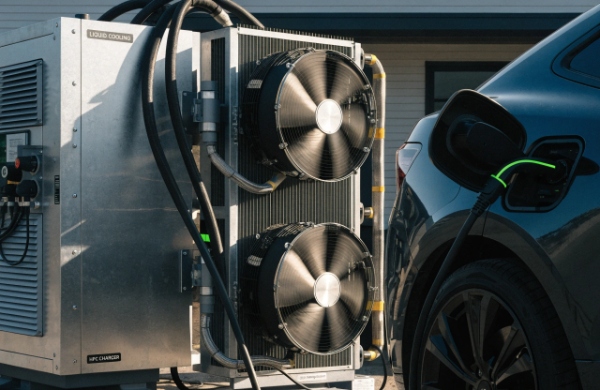
I have worked with charge point operators and fleet managers for years as general manager at Parwatt New Energy. We supply high-power DC chargers and power modules that must deliver consistent performance under continuous load. I have visited stations where overheating caused repeated power reductions and early component replacements. Drivers left frustrated because charging took longer than expected. Our power modules such as the 30kW Power Module and 40kW Power Module are designed with thermal considerations in mind, yet the complete station still needs strong cooling strategies. In this article I explain why thermal management matters so much in 2026 and how operators can keep high-power systems running reliably.
Why Overheating Is One of the Biggest Challenges for High-Power EV Charging Stations?
High-power chargers convert and deliver large amounts of energy in short periods. This process produces significant heat in power electronics, cables, and connectors. When heat builds up the system automatically reduces power to protect itself. Stations then deliver slower charging, face higher failure rates, and experience more downtime. These issues hurt both operators and drivers.
Overheating forces high-power EV chargers to reduce output, shortens equipment life, and creates safety risks. Stations suffer lower utilization and higher maintenance costs. Effective thermal management keeps power levels stable, protects components, and maintains reliable service even during continuous high-demand periods.
The Practical Impact of Heat on Station Performance
I remember reviewing data from a busy public fast-charging site. During peak afternoon hours several 150 kW+ chargers repeatedly dropped to much lower power. Drivers waited longer than planned. The operator later discovered that the cooling systems could not keep pace with sustained sessions on hot days. The result was lost revenue and negative feedback.
Power electronics generate heat as they convert AC to DC and control high currents. Without enough cooling the temperature of semiconductors and other components rises quickly. Most systems include protective limits. When temperatures approach those limits the charger reduces power automatically. This derating protects the hardware but slows charging for the user.
Heat also accelerates wear. Repeated high-temperature cycles stress capacitors, transformers, and connectors. Components age faster and fail earlier than their rated life. Stations then face unplanned replacements and higher lifetime costs.
Safety concerns appear when temperatures exceed safe ranges. Insulation can degrade. Connectors can overheat. In extreme cases systems shut down completely. Operators must treat thermal management as both a performance and a safety issue.
Here is a table that shows the main problems caused by inadequate thermal control:
| Problem | What Happens | Impact on Station | Impact on Drivers |
|---|---|---|---|
| Power derating | Charger reduces output automatically | Lower revenue per session | Longer wait times |
| Component stress | Faster aging of power electronics | Higher maintenance and replacement costs | Reduced reliability |
| Unplanned downtime | System shuts down for protection | Lost sessions and service complaints | Station appears unavailable |
| Reduced cable and connector life | Heat accelerates wear | More frequent cable changes | Safety and convenience issues |
| Inconsistent performance | Power varies with temperature | Harder to predict session times | Frustration and lost trust |
This table reflects patterns I observe across high-power sites. At Parwatt we design our FES-D30 DC EV Charger and higher-power solutions with thermal performance in mind. Even so, the surrounding station design and cooling strategy determine whether the hardware can deliver its full rated capability under real conditions.
Fleet depots that run multiple high-power sessions back-to-back feel the pressure strongly. Continuous operation leaves little recovery time for components to cool. Public hubs in hot climates face the same challenge during summer peaks. In both cases thermal management directly affects daily throughput and operating costs.
In 2026 as average charging power continues to rise these heat-related issues become more expensive. Stations that treat cooling as secondary often discover the true cost only after performance problems appear. Addressing thermal management early protects both revenue and equipment life.
Common Misconceptions About Thermal Management in Fast EV Charging
Many operators still hold incorrect views about thermal management. Some believe natural air flow is enough for high-power systems. Others focus only on initial purchase price and under-estimate long-term heat effects. These misconceptions lead to under-designed stations and later performance problems.
Common misconceptions include the belief that passive or simple air cooling is sufficient for high-power chargers, that thermal issues only appear in extreme climates, and that advanced cooling is an unnecessary cost. In reality high-power systems generate substantial heat even in mild conditions. Proper thermal design protects performance and reduces lifetime costs.
Frequent Wrong Assumptions
One persistent myth is that natural convection or basic fans can handle the heat from modern high-power chargers. At lower power levels this can be true. At 150 kW and above the heat load rises dramatically. Simple air cooling often cannot remove heat fast enough during continuous sessions, especially when ambient temperatures are elevated.
Another misconception is that thermal problems only matter in hot regions. Heat is generated by the power conversion process itself. Even in cooler climates a poorly cooled system will derate under sustained load. Ambient temperature affects the margin, but the core heat source remains the charger electronics.
Some buyers focus almost exclusively on the lowest upfront price. Advanced liquid cooling or high-capacity air systems add cost. Operators who skip these features later pay through reduced charging speeds, more frequent repairs, and shorter equipment life. The total cost of ownership often favors better thermal design.
A fourth misconception is that thermal management is only a hardware issue. Monitoring and control software also play important roles. Systems that adjust fan speeds, pump rates, or power limits based on real-time temperatures perform better than static designs.
Here is a table that addresses the main misconceptions:
| Misconception | Reality in 2026 | Consequence of the Myth | Better Understanding |
|---|---|---|---|
| Simple air cooling is enough | High-power systems often need liquid or advanced forced air | Frequent derating and slower sessions | Match cooling capacity to power level |
| Only hot climates need attention | Heat is generated by the charger itself | Problems appear even in mild weather | Design for continuous load, not just ambient |
| Advanced cooling is pure cost | Better thermal design improves uptime and life | Higher long-term expenses | Evaluate total cost of ownership |
| Thermal issues are rare | Sustained high-power use makes them common | Unexpected performance drops | Treat thermal design as core, not optional |
| Hardware alone solves it | Monitoring and control improve results | Static systems under-perform | Combine cooling hardware with smart control |
This table helps operators avoid costly assumptions. At Parwatt we discuss thermal performance openly when clients select high-power equipment. Our Battery Buffered Ultra Rapid EV Charger and power modules are built to work with effective cooling strategies. Customers who understand the heat challenge from the beginning make better long-term decisions.
I have seen stations that looked good on paper but struggled in real operation because thermal capacity was under-estimated. Clearing these misconceptions early prevents that outcome. In 2026 the industry increasingly treats robust thermal management as standard practice rather than an optional upgrade.
How Thermal Management Works in High-Power EV Chargers: Key Technologies
Thermal management in high-power EV chargers uses several proven technologies to remove heat from critical components. Liquid cooling, advanced air cooling, heat exchangers, and smart monitoring systems work together. Understanding these methods helps operators select and maintain effective solutions.
High-power EV chargers rely on liquid cooling, forced air systems, heat exchangers, and real-time monitoring to control temperatures. Liquid cooling offers the highest heat removal capacity for sustained high-power operation. Smart sensors and controls adjust cooling dynamically to maintain performance and protect components.
Core Cooling Technologies Explained
Liquid cooling circulates a coolant through cold plates or channels attached to power modules and other heat sources. The heated liquid then passes through a radiator or heat exchanger where fans or ambient air remove the heat. This method is highly effective for dense, high-power electronics because liquid can carry more heat than air for a given volume.
Forced air cooling uses fans to move large volumes of air across heat sinks attached to power components. It is simpler and often lower cost than liquid systems. For moderate power levels or well-ventilated outdoor cabinets it can work well. At the highest power levels or in hot environments it may reach its limits during continuous operation.
Heat exchangers transfer heat between the internal cooling circuit and the outside environment. They allow sealed cabinets to stay protected from dust and moisture while still rejecting heat. Many modern designs combine liquid loops with efficient heat exchangers.
Smart monitoring uses temperature sensors placed at critical points. The control system reads these sensors continuously and adjusts fan speeds, pump rates, or even charging power if temperatures approach limits. Advanced systems can predict thermal stress and take preventive action.
Here is a comparison table of the main approaches:
| Technology | Heat Removal Capacity | Typical Use Case | Key Advantage | Limitation |
|---|---|---|---|---|
| Liquid cooling | High | 150 kW+ continuous systems | Sustained high power without derating | Higher complexity and cost |
| Forced air cooling | Moderate to high | Medium-power or well-ventilated sites | Simpler design and lower cost | Less effective in hot ambient conditions |
| Heat exchangers | Supports sealed systems | Outdoor or dusty environments | Protects internal components | Depends on external air flow |
| Smart monitoring | Improves any cooling method | All modern high-power stations | Dynamic adjustment and early warning | Requires proper sensor placement and software |
This table shows why liquid cooling has become more common for the highest-power chargers. At Parwatt our power modules are designed to integrate with both air and liquid thermal solutions. You can explore suitable high-power options in our EV Charger Category.
How the Systems Work Together in Practice
In a typical high-power station the power modules generate heat during conversion. Liquid or air systems remove that heat from the modules. Sensors track temperatures at multiple points. The control system keeps the cooling active at the level needed for the current load. If temperatures rise the system can increase cooling effort or reduce power temporarily to stay within safe limits.
I have observed well-designed liquid-cooled stations maintain near-full power for extended sessions even on warm days. Stations with marginal air cooling often show clear power curves that drop as temperatures climb. The difference in driver experience and station throughput is significant.
In 2026 more manufacturers combine liquid cooling with intelligent controls. The result is higher average charging speeds and longer equipment life. Operators who understand these technologies can specify systems that match their expected duty cycles and climate conditions.
Best Practices for Effective Thermal Management in 2026 Charging Infrastructure
Effective thermal management requires matching cooling capacity to expected power levels and duty cycles. It also requires proper installation, monitoring, and maintenance. Following proven practices helps stations deliver consistent performance and lower lifetime costs.
Best practices for thermal management include selecting cooling capacity matched to maximum sustained power, using liquid cooling for the highest power levels, installing effective monitoring, and maintaining cooling systems regularly. These steps prevent derating, extend equipment life, and improve overall station reliability in 2026.
Recommended Approaches for High-Power Sites
For chargers rated 150 kW and above, liquid cooling is increasingly the preferred solution for continuous or high-utilization sites. It provides the heat removal capacity needed to sustain rated power. For lower power levels or sites with strong natural ventilation, high-quality forced air systems can still perform well when properly sized.
Always design for the worst expected conditions. Consider peak ambient temperatures, continuous session lengths, and the possibility of multiple chargers operating at the same time in a shared cabinet or enclosure. Undersizing cooling leads to frequent derating.
Install temperature monitoring at critical points and ensure the control system can act on the data. Simple threshold alarms are useful. More advanced systems that adjust cooling proactively deliver better results.
Maintain the cooling system as carefully as the power electronics. Clean filters, check coolant levels and quality, inspect fans and pumps, and verify sensor accuracy. A neglected cooling system will eventually limit an otherwise healthy charger.
Here is a practical best-practice table:
| Practice Area | Recommendation | Why It Matters | Result When Followed |
|---|---|---|---|
| Cooling capacity | Match to sustained high-power duty | Prevents derating under load | Stable charging speeds |
| Technology choice | Prefer liquid for 150 kW+ continuous | Higher heat removal | Better uptime and performance |
| Monitoring | Multi-point sensors with active control | Early detection and response | Fewer thermal events |
| Installation | Proper airflow and coolant routing | Maximizes cooling effectiveness | Full system capability |
| Maintenance | Regular cleaning and inspection | Keeps cooling at design capacity | Longer component life |
This table summarizes the core actions. At Parwatt we support operators with power modules and chargers designed for integration with strong thermal systems. Our experience shows that stations following these practices deliver more consistent results and lower total cost of ownership.
I have reviewed sites that invested in robust thermal design from the start. They report fewer power reductions, longer intervals between major component replacements, and higher driver satisfaction. In 2026 these advantages become more valuable as competition among charging networks intensifies and users expect reliable high-speed service.
Additional practices include allowing adequate space for airflow around cabinets, avoiding direct sun exposure where possible, and planning for future power increases so the thermal system has margin. These details improve long-term flexibility.
Ready to Optimize Thermal Management for Your Charging Stations? Here’s Your Next Step
Optimizing thermal management begins with an honest assessment of current performance and expected loads. From there operators can select appropriate cooling technologies and implement monitoring and maintenance routines. Taking these steps protects both equipment and revenue.
Evaluate current charging performance under load, identify any derating patterns, and review cooling capacity against expected power levels. Then select liquid or advanced air systems matched to your duty cycle and add effective monitoring. Regular maintenance keeps the thermal system working at design capacity.
Clear Steps to Improve Thermal Performance
Start by reviewing session data. Look for patterns of power reduction that correlate with high ambient temperatures or long continuous sessions. These patterns often reveal thermal limits.
Inspect the existing cooling hardware. Check fan condition, filter cleanliness, coolant levels if liquid systems are present, and sensor function. Simple maintenance issues frequently reduce cooling effectiveness.
Compare the cooling capacity of current equipment with the maximum sustained power you need to deliver. If the margin is small, plan upgrades before performance problems become frequent.
When selecting new chargers or power modules, ask specifically about thermal design, cooling method, and derating behavior under continuous load. Prefer systems that maintain high power across a wide temperature range.
Implement or improve monitoring so temperature data is visible and actionable. Set clear response procedures for high-temperature alerts.
Here is a practical action list:
- Review historical session data for power derating patterns.
- Inspect and service existing cooling components.
- Match cooling capacity to required sustained power levels.
- Specify liquid cooling for the highest-power continuous applications.
- Add or improve multi-point temperature monitoring.
- Establish a regular cooling system maintenance schedule.
- Choose equipment from suppliers who provide clear thermal performance data.
At Parwatt we help clients select high-power solutions that include strong thermal design. You can explore suitable options in our EV Charger Category and learn more about charging system design in our guide on Electric Vehicle Charging. Stations that treat thermal management as a core design requirement achieve higher uptime and more predictable performance.
Taking action now prevents heat-related limitations from constraining your charging network as power levels and utilization continue to rise. Reliable thermal performance supports both operator economics and driver satisfaction.
Conclusion
Effective thermal management is critical for high-power EV charging stations to maintain performance, ensure safety, and maximize equipment lifespan. As charging speeds increase in 2026, proper cooling systems prevent derating, reduce downtime, and protect expensive infrastructure. At Parwatt we design our power modules and high-power chargers with thermal performance as a core requirement. Whether using liquid cooling, advanced air systems, or smart monitoring, investing in robust thermal management pays off through higher uptime and lower long-term costs. Don’t let heat limit your charging potential. Prioritize thermal management when designing or upgrading high-power stations for reliable, future-proof operation.

--- END ---
Related Posts


Business Ideas

Business Ideas
