

What to Do If Your Electric Car Runs Out of Charge?
Apr 06,2026
Range anxiety hits hard when your EV battery drops low on a busy highway. I have talked to many fleet managers who faced this exact situation and lost valuable time.
When your electric car runs out of charge, stay calm, pull over safely, turn on hazard lights, and call roadside assistance or use a portable EV charger. Modern EVs give you plenty of warnings and a small reserve buffer so you can reach help without sudden stops.
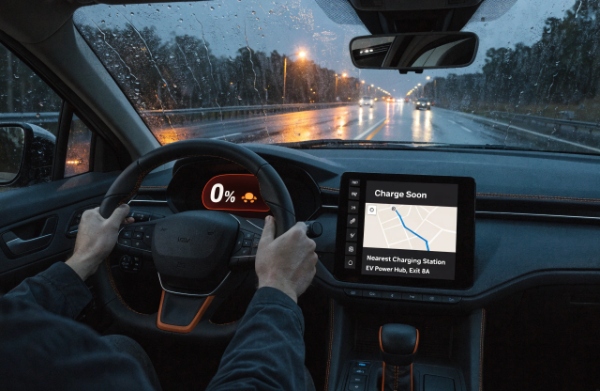
EV Low Battery Warning
As General Manager at XIAMEN PARWATT NEW ENERGY TECHNOLOGY CO.,LTD, I work daily with Charge Point Operators and Fleet Operators across North America and Europe. One client told me how a driver in California ran out of power during a delivery run. A quick portable charge got the vehicle moving again in under 30 minutes and saved the whole schedule. That story shows why preparation matters.
What Happens When Your Electric Vehicle Runs Out of Power?
Do you wonder exactly how your EV behaves when the battery hits zero?
Your EV does not stop suddenly. It gives early warnings, enters limp or turtle mode to limit speed, and uses a hidden reserve buffer so you can pull over safely. Hazard lights and basic systems often stay on thanks to the 12-volt battery.
I see this behavior in real testing at our facility. At around 20% charge, the dashboard shows clear alerts and the navigation suggests nearby stations. At 5-10%, power reduces to protect the battery and extend range by a few miles.
When the display shows 0%, the battery management system still holds back 5-10% for safety. The car slows gradually, often allowing another 5-15 miles depending on the model and conditions. Speed drops to about 20 mph in turtle mode. This gives you time to move to the shoulder or a safe spot.
Cold weather or hills can cut that buffer short, so I always remind our partners in Energy Utilities to factor in real-world conditions.
Here is what typically occurs step by step:
- Low battery warning appears with 40-60 miles left.
- Persistent alerts at 10% and reduced non-essential features.
- Turtle mode at 5% with limited speed and power.
- Final slowdown and safe stop with hazard lights active.
Safety stays high because the car parks itself and keeps essential electronics running briefly.
For more background, read our blog on electric vehicle charging basics.
Emergency Measures When Your Electric Vehicle Battery Is Low
What should you do right away when the low battery light comes on?
Pull over to a safe flat spot, turn on hazard lights, note your exact location, and call roadside assistance. Ask for a mobile EV charger if available to get enough power to reach the nearest station.
I advise all our Automotive OEM partners and Real Estate Developers to train drivers on these steps. Stay calm and act quickly.
First, find a safe place away from traffic. Put the vehicle in park, set the parking brake, and turn wheels toward the curb if on a slope.
Next, use your phone or the car’s still-working navigation to share your position clearly. Mention it is an EV so the service knows what equipment to bring.
Many roadside programs now carry portable chargers that deliver 10-15 miles of range in 20-30 minutes. This option beats waiting for a tow in most cases.
If you have access to a regular outlet nearby, a portable Level 2 charger can help in a pinch. Our Meta Mobile EV Charger series works well for these situations because it is compact and delivers reliable power without a fixed station.
Avoid pushing the car. EVs are heavy and the electronic brake makes it difficult and unsafe.
Here is a quick action checklist:
- Turn on hazards immediately.
- Call assistance and specify EV out of charge.
- Request mobile charging if possible.
- Do not attempt traditional towing unless on a flatbed.
These measures keep everyone safe and get you moving fast.
Our E-Station 120 Mobile Battery Buffered EV Charging Power Station is a great example of professional-grade emergency support that Fleet Operators use.
What to Do When the Battery Is Completely Dead?
Is your EV display showing zero and the car has stopped?
When the battery is completely dead, call for professional roadside help with a flatbed tow or mobile charger. Never use a standard tow truck that lets wheels spin, as it can damage the electric motor.
From my experience helping EV Resellers and integrators, this is the moment preparation pays off. Many services now offer EV-specific packages with portable power units.
The 12-volt battery usually keeps hazard lights and door locks working for a while. Use that time to contact help and stay visible.
If someone with a compatible portable charger is nearby, they can give you a boost. Our EP02 Portable EV Charger with Display is popular for exactly this because it shows real-time status and works from standard outlets or generators.
Flatbed towing is the safest way to move the vehicle to a charger. This keeps all wheels off the ground and prevents regenerative braking issues.
Once at a station or home, plug in and let the battery management system balance the cells properly.
I remember a Workplace & Corporate Client who added our portable units to their emergency kits. Drivers now resolve low-charge situations on site and avoid long tows.
Check our Battery Buffered Ultra Rapid EV Charger for high-power backup options that municipalities often deploy.
How to Prevent Your Electric Vehicle from Running Out of Power
Do you want to stop range anxiety before it starts?
Prevent running out of power by planning routes with charging stops, using the car’s navigation, charging at home every night, and keeping a portable EV charger in the trunk. Monitor weather and driving style because they affect real range.
I tell every Fleet Operator and Government client the same thing: prevention is much easier than emergency fixes.
Start with good habits. Charge fully at home or the depot each evening. This gives you the full rated range for daily use.
Use apps and the built-in navigation to find stations along your route. Factor in 20-30% extra range loss in cold weather or heavy traffic.
For longer trips, schedule charging breaks like you would fuel stops. Many public networks now make this simple.
Keep emergency tools ready. A reliable portable charger turns a potential breakdown into a short pause.
Our LP2 Portable Smart Air Pump and other accessories pair well with EV kits, but the real hero is a dedicated portable EV charger.
Here is a prevention table that works well for Retail & Hospitality Chains and Corporate Clients:
| Prevention Step | Why It Helps | Parwatt Tip |
|---|---|---|
| Daily home charging | Starts each day with full range | Use our EC01 Wall Charger for convenience |
| Route planning with apps | Shows chargers before you need them | Combine with navigation system |
| Monitor weather impact | Adjusts for 20-30% range loss in cold | Drive conservatively in extreme temps |
| Carry portable charger | Gives 10-50 miles emergency boost | Choose our EP01 or Meta Mobile models |
| Regular vehicle maintenance | Maintains efficiency and true range | Check tires and software updates |
These steps cut incidents dramatically.
Read our article on charge EV faster home vs public for more ideas.
Emergency Tools and Backup Plans for EV Drivers
What tools should you keep ready in case your EV power drops?
Keep a portable EV charger, charging cables, a charged phone power bank, and roadside assistance contact in your vehicle. Create a backup plan that includes nearby stations and alternative transport options.
In my work with Automotive Accessory Wholesalers, I see growing demand for complete emergency kits. Drivers feel confident when they have the right gear.
A good portable charger is the centerpiece. It plugs into a standard 110V or 220V outlet and delivers Level 2 speeds to get you back on the road.
Our FES-D30 DC EV Charger and Meta series mobile units offer flexible solutions for different needs. They work for both planned backups and unexpected stops.
Add a 12-volt jump pack in case the auxiliary battery drains. Carry basic tools and reflective vests for safety.
For businesses, I recommend bulk orders of these tools so every vehicle stays prepared.
Bullet points for a solid backup plan:
- Download charging apps like PlugShare or ZapMap.
- Save roadside assistance number and EV-specific instructions.
- Know the location of the nearest public chargers.
- Test your portable charger once a month.
- Train drivers on safe pulling-over procedures.
These plans help Energy Utilities and Real Estate Developers keep operations running smoothly.
Explore our full range in the EV Charger category.
Conclusion
Running out of charge in your electric car is manageable if you stay calm and follow simple steps. Use warnings to act early, call for mobile charging help, and rely on flatbed towing when needed. The best approach is prevention through planning and keeping a reliable portable charger ready. At Parwatt, we design practical solutions that protect your time and your vehicle.
Find a Safe Portable EV Charger – Get Expert Recommendation in 24 Hours
Protect your EV journey – choose reliable charging solutions today.
Request Free EV Emergency Checklist
Chat with Our Automotive Expert on WhatsApp
FAQ
What to do if your electric car runs out of charge?
Pull over safely, turn on hazards, and call roadside assistance or use a portable charger.
What happens when an EV battery reaches zero?
The car enters turtle mode, slows down, and stops gradually while keeping safety features active.
Is it dangerous if your electric vehicle runs out of power?
No sudden stop occurs, but stay visible and get help quickly to avoid traffic risks.
Can you tow an EV that has run out of charge?
Only on a flatbed truck. Standard towing can damage the motor.
How do I prevent my EV from running out of charge?
Plan routes, charge daily, use navigation, and carry a portable charger.
What portable tools help when an EV runs out of power?
A Level 2 portable EV charger, charging cables, and a phone power bank are essential.

--- END ---
Related Posts


Business Ideas

11kW vs. 22kW Home EV Chargers: Which One Should You Choose in 2026?
October 21, 2026

Business Ideas

Business Ideas
