

How Much Does It Cost To Charge An Electric Car in 2026?Real Numbers for Fleet Operators and CPOs
Mar 25,2026
High fuel costs hurt your monthly budget. You see electric vehicles as a way to cut expenses. But you wonder about the real charging costs. This stops many businesses from switching.
Charging an electric car costs far less than gasoline in most cases. At home, a full charge for a typical 60kWh EV runs about $10-15 in the US or £10-15 in the UK. Public fast charging costs more, often $20-40 for the same fill. Home charging saves the most money over time.
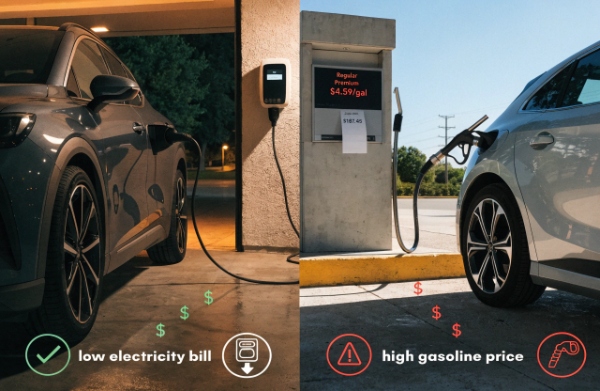
I talk to fleet operators and charge point managers daily at Parwatt. They want clear numbers to justify EV adoption. The savings add up fast when you scale. Read on to see exact costs by location and how they fit your operations.
How much does it cost to charge an EV at a charging station?
You stop at public chargers for quick top-ups. You see different prices on screens. You need to know if they fit your budget.
Public charging station costs vary widely by location, speed, and network. In the US, average rates run $0.30-$0.60 per kWh. A full 60kWh charge costs $18-$36. Fast DC chargers often charge more, up to $0.70+ per kWh during peak times.
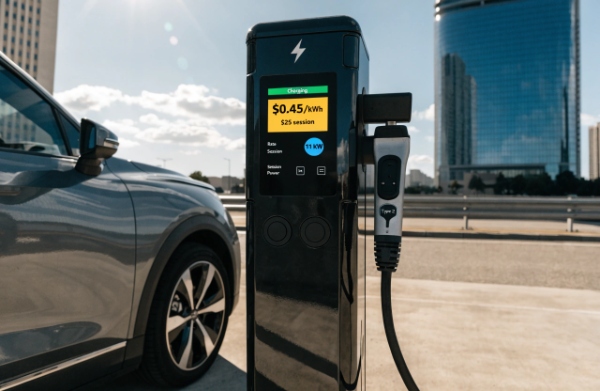
Factors That Affect Public Charging Costs
Location plays a big role. Urban areas charge more due to high demand. Highway stations add premiums for speed. Network operators set different tariffs. Some offer membership discounts. Time-of-use pricing raises rates during peaks. Free or low-cost options exist at some retail spots to attract shoppers.
Speed Levels and Pricing
Level 2 public chargers cost less, around $0.20-$0.40 per kWh. They suit longer stays. DC fast chargers run $0.40-$0.80 per kWh. They add range fast but cost more per mile. A 30-minute 50kW session might cost $10-20 for 80-100 miles.
Regional Differences
In the US, averages sit at $0.43 per kWh nationally. California often hits $0.50+. Europe sees higher rates, sometimes £0.50-£0.80 per kWh. Asia-Pacific varies by country. China offers lower public rates in many cities.
Ways to Lower Public Charging Expenses
Join loyalty programs. Many networks give discounts to frequent users. Fleet accounts get bulk rates. Charge during off-peak hours when possible. At Parwatt, we supply OCPP-compliant stations. These allow custom pricing and monitoring for CPOs. You can also explore our full range of DC fast EV chargers.
Here is a comparison table for public charging:
| Charging Type | Average Rate (US) | Average Rate (UK) | Typical Full Charge Cost (60kWh) | Best For |
|---|---|---|---|---|
| Level 2 Public | $0.20-$0.40/kWh | £0.25-£0.45/kWh | $12-$24 | Shopping, workplaces |
| DC Fast (50-150kW) | $0.40-$0.60/kWh | £0.50-£0.75/kWh | $24-$36 | Quick highway stops |
| Ultra-Fast (150kW+) | $0.50-$0.80+/kWh | £0.60-£0.90+/kWh | $30-$48+ | Long trips, urgent needs |
These numbers help fleet operators and real estate developers plan budgets.
Cost to charge an electric car at home
You charge overnight at your facility or employee lots. You want the lowest possible cost.
Home or private charging costs the least for electric vehicles. In the US, average residential electricity runs $0.15-$0.18 per kWh. A full 60kWh charge costs $9-$11. In the UK, standard rates around 24-28p/kWh make a full charge about £13-£15.
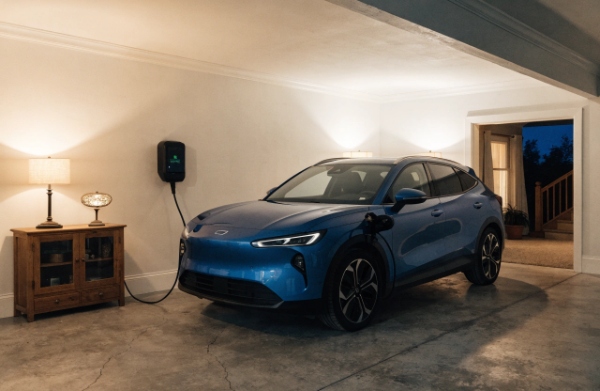
Residential Electricity Rates
Rates vary by state or country. Off-peak plans drop to $0.10/kWh or lower. Solar panels cut costs further. Many utilities offer EV-specific tariffs. These reward overnight charging.
Equipment and Installation
A basic Level 2 charger costs $500-$1,000. Installation runs $500-$2,000 depending on wiring. Smart chargers add features like scheduling. They save more over time. At Parwatt we offer reliable wall chargers and portable EV chargers that fit home and fleet needs perfectly.
Daily and Annual Costs
A driver with 12,000 miles per year uses about 400-500 kWh monthly. At $0.16/kWh, monthly cost stays under $80. Gasoline equivalent runs $150-200. Annual savings reach $1,000+ per vehicle.
Incentives and Rebates
Many regions give tax credits for home chargers. Utilities offer rebates. Fleet operators claim deductions. At Parwatt, our chargers qualify for most programs.
Here is a home charging cost table:
| Scenario | Electricity Rate | Full Charge Cost (60kWh) | Monthly Cost (1,200 miles) | Annual Savings vs Gas |
|---|---|---|---|---|
| Standard US Residential | $0.16/kWh | $9.60 | $60-80 | $1,200+ |
| Off-Peak US Plan | $0.10/kWh | $6.00 | $40-50 | $1,800+ |
| UK Standard Rate | 27p/kWh | £14.58 | £80-100 | £1,000+ |
| With Solar Offset | $0.05 effective | $3.00 | $20-30 | $2,500+ |
Home charging suits workplace clients and fleet depots best.
Cost to charge an electric car at work
You offer charging to employees or tenants. You balance cost and perks.
Workplace charging often costs little or nothing for users. Many employers cover electricity. When charged to users, rates stay low, around $0.10-$0.25 per kWh. This beats public options.
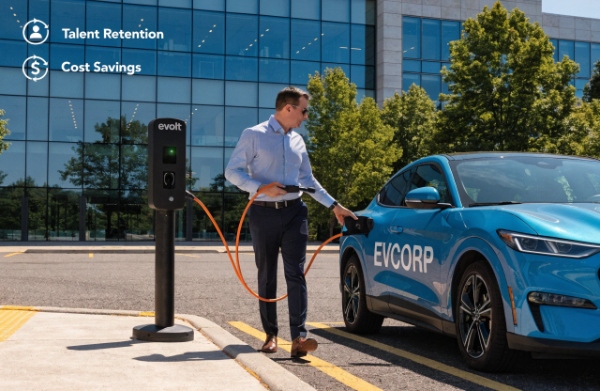
Employer-Paid Models
Many companies absorb costs as a benefit. This attracts talent. Some split costs with employees. Rates stay below public levels.
Smart Management
Load balancing prevents spikes. Scheduling charges off-peak. This keeps bills low. OCPP systems give full control.
Employee Savings
Workers save $50-100 monthly vs gas. Free charging adds real value. It encourages EV purchases.
Installation Considerations
Costs mirror home setups but scale up. Bulk purchases lower per-unit price. At Parwatt we supply durable units for corporate lots. Check our workplace charging solutions to see how we help businesses like yours.
Here is a workplace charging table:
| Model | User Cost per kWh | Full Charge Cost | Employer Benefit | Typical Setup Cost |
|---|---|---|---|---|
| Free for Employees | $0 | $0 | Talent attraction, retention | $1,000-$3,000/unit |
| Subsidized | $0.10-$0.15 | $6-$9 | Partial cost share, goodwill | Similar |
| Pay-Per-Use | $0.20-$0.30 | $12-$18 | Revenue stream, cost recovery | Similar |
This approach works well for corporate and real estate clients.
Are electric charging stations free?
You see some stations with no fees. You wonder how often this happens.
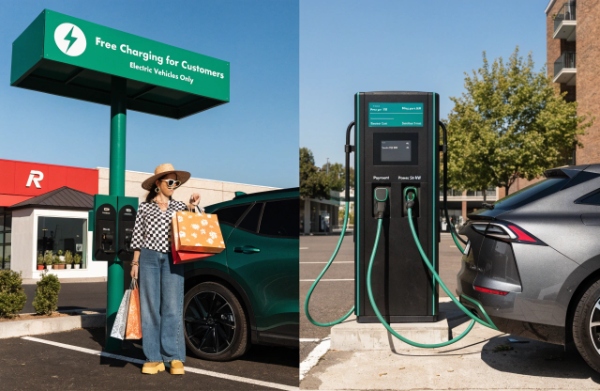
Some electric charging stations are free, but most charge fees now. Free options exist at workplaces, retail stores, and some public spots. They aim to attract customers or reward loyalty. Paid stations dominate highways and cities.
Where Free Charging Exists
Retailers provide free Level 2 to keep shoppers longer. Hotels offer it to guests. Some offices give free access. Destination chargers at attractions stay free.
Why Providers Offer Free
Free charging brings foot traffic. It builds brand loyalty. Some use it for marketing. Governments subsidize free public points in pilot areas.
Limitations of Free Stations
Free spots often limit time or power. They charge slow. Busy locations fill up fast. Paid fast chargers offer reliability.
Trends in Free vs Paid
Free options decrease as networks grow. More shift to paid models. Memberships replace pure free access. At Parwatt our systems support flexible pricing. For deeper insights, read our article on Level 2 vs Level 3 charging.
Here is a free vs paid table:
| Type | Typical Cost | Speed | Availability | Best For |
|---|---|---|---|---|
| Free Workplace | $0 | Level 2 | Employee lots | Daily commuting |
| Free Retail | $0 | Level 2 | Malls, stores | Shopping visits |
| Paid Public Fast | $0.40+/kWh | DC Fast | Highways | Long-distance travel |
| Membership Paid | Discounted | Varies | Network-wide | Frequent users |
Businesses choose based on goals.
Ready to cut your charging costs?
Conclusion
Charging costs depend on location and speed. Home stays cheapest. Work often free or low. Public varies but saves vs gas. Smart choices bring big savings.
FAQs
Is home charging always the cheapest option?
Yes for most drivers. It uses low residential rates and off-peak plans.
How much cheaper is EV charging than gas?
EV charging costs 50-70% less per mile in most regions.
Do public chargers accept all payment methods?
Most take cards, apps, or RFID. Some require network membership.
Can I make money from installing chargers?
Yes. CPOs earn from user fees and partnerships.
Should fleets focus on home or public charging?
Home or depot charging saves most. Use public for routes.

--- END ---
Related Posts


Business Ideas

Industry News
