

Should I Charge My EV Battery Every Day? (2026 Expert Guide)
Apr 06,2026
“Should I charge my EV every day?” This is one of the most common questions new EV owners ask. With so many conflicting opinions online, it’s easy to feel confused and worried about damaging your expensive battery.
The short answer: No, you don’t need to charge your EV to 100% every single day. In fact, doing so regularly may not be the best habit for long-term battery health in 2026.
Modern lithium-ion batteries are designed for partial charging. Keeping them between 20% and 80% for daily use is often ideal. This guide explains the science, clears up common myths, and gives you practical strategies to charge smarter, save money, and extend battery life.
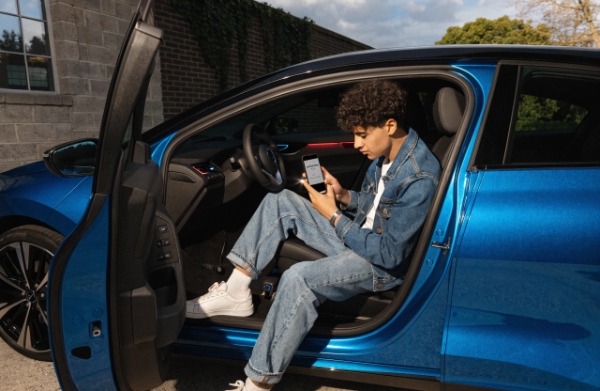
Daily charging habits can significantly impact your EV’s long-term battery health and electricity bill
Why “Charge Every Day” Is One of the Most Common EV Myths in 2026
Many new EV drivers believe they must plug in every night like they used to fill up a gas tank. This myth comes from old habits and misunderstanding how lithium-ion batteries actually work.
Frequent full charges to 100% create extra stress on the battery cells. Heat, high voltage, and constant cycling accelerate degradation over time. In 2026, with larger battery packs and smarter charging systems, the best practice has shifted toward partial, optimized charging rather than daily top-ups to full.
Understanding this myth is the first step to better battery management and lower electricity costs.
How Modern EV Batteries Really Work – And Why Daily Top-Ups May Not Be Necessary
Lithium-ion batteries (especially LFP and NMC chemistries used in 2026 models) perform best when kept in the middle of their charge range.
Daily top-ups to 100% increase internal stress and heat buildup, which can shorten overall lifespan. Most manufacturers now recommend keeping daily charge levels between 20% and 80% for optimal longevity.
Scheduled charging during off-peak hours (usually late night) is much smarter. It saves money on electricity rates and allows the car’s battery management system to precondition the pack gently before you drive.
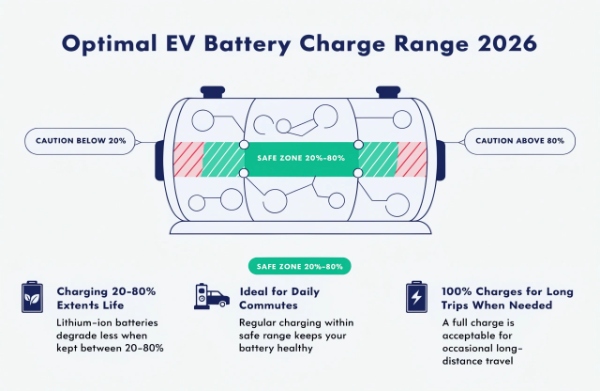
Recommended daily charge range for best battery health in 2026
The Smart Way to Charge Your EV: Daily vs Occasional Charging Explained
Here’s a clear comparison to help you decide:
| Driving Habit | Recommended Charging Strategy | Best Time to Charge |
|---|---|---|
| Short daily commute (<50 miles) | Charge 2–3 times per week | Off-peak nighttime |
| Medium daily use (50–100 miles) | Charge every 1–2 days to 70–80% | Night or early morning |
| Long daily or frequent trips | Charge daily but avoid 100% unless needed | Off-peak with preconditioning |
| Occasional long trips | Charge to 100% only before highway journeys | Day before departure |
The key is matching your charging routine to your actual driving distance and using your car’s smart scheduling features.
Best Charging Practices for Long Battery Life and Lower Electricity Bills in 2026
Follow these proven practices:
- Keep daily charge between 20% and 80% when possible.
- Use scheduled charging to take advantage of lower nighttime rates.
- Precondition your battery while plugged in (especially in extreme heat or cold).
- Avoid charging in very high temperatures when possible.
- Use Level 2 chargers for daily needs instead of slow Level 1.
- Monitor battery health through your vehicle’s app regularly.
These habits can extend battery lifespan by 20–30% and significantly reduce your monthly electricity bill. For reliable options, explore our EC01 Wall Charger or full EV Charger Category.
Ready to Optimize Your EV Charging Routine? Get Personalized Advice in 24 Hours
Charging your EV every day is not necessary — and in many cases, it’s not even the best habit for your battery’s long-term health. Modern lithium-ion batteries are designed for partial charging and work best when kept between 20% and 80% for daily use.
By following the right practices — avoiding frequent 100% charges, using scheduled charging, and monitoring temperature — you can maximize range, extend battery lifespan, and save on electricity costs.
The EV revolution is here — make charging part of your daily routine with confidence.
In 24 hours you’ll receive a personalized EV charging plan based on your driving habits, vehicle model, and local electricity rates.
No commitment. Just smarter, more efficient charging.
Chat with our EV expert on WhatsApp. Need help choosing the right home charger? We’re here to help. Learn more in our guide to home EV charger installation or visit our FAQ.
FAQ
Should I charge my EV battery to 100% every day?
No. Frequent 100% charges can accelerate battery degradation. 80% is usually sufficient for daily use.
What is the ideal battery charge level for daily use?
Keeping your battery between 20% and 80% for daily driving is generally best for longevity in 2026.
Does charging every day damage my EV battery?
Not if you avoid frequent full charges to 100%. Smart partial charging is better for modern batteries.
What is the best time of day to charge my electric vehicle?
Off-peak nighttime hours are ideal — cheaper electricity rates and gentler charging for the battery.
How does temperature affect EV battery charging?
Extreme heat or cold slows charging and can stress the battery. Preconditioning while plugged in helps.
Can I leave my EV plugged in overnight?
Yes. Modern EVs have smart battery management systems that stop charging automatically when needed.

--- END ---
Related Posts


Business Ideas

Business Ideas
