

How to Use EV Charging Stations: A Complete Beginner’s Guide for 2026
Apr 06,2026
New EV drivers often feel anxious the first time they pull up to a public charging station. Will the plug fit? How do I pay? What if it doesn’t start? These common frustrations can turn a simple charge into a stressful experience.
In 2026, with more EVs on the road and charging infrastructure expanding rapidly, knowing how to use charging stations confidently is essential. This guide walks you through everything beginners need to know — from understanding the different types of stations to practical tips that save time and money.
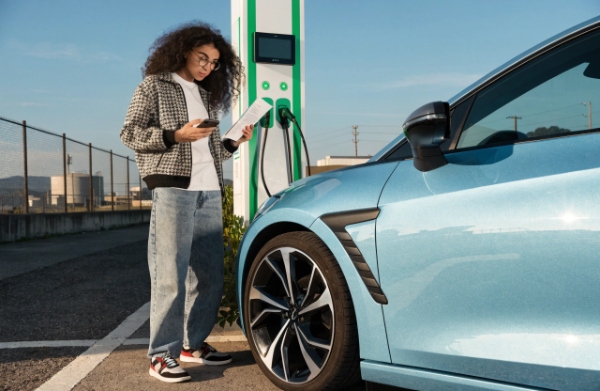
Many new EV owners feel overwhelmed the first few times they charge in public
Why New EV Drivers Struggle with Charging Stations (And How to Avoid Common Frustrations)
The main reason beginners struggle is lack of clear, practical information. They don’t know the difference between Level 2 and DC Fast Charging, or which plug their car uses. This leads to wasted time, failed charging sessions, and unnecessary stress.
Common frustrations include incompatible plugs, confusing payment apps, stations that appear broken, and etiquette mistakes that annoy other drivers. These issues are easily avoidable once you understand the basics.
The good news? With the right knowledge, charging can become as simple and routine as filling up with gasoline.
Understanding the Different Types of EV Charging Stations and Plugs
There are three main levels of charging:
- Level 1 (Slow Charging) — Uses a standard household outlet (120V). Adds about 3–5 miles of range per hour. Best for overnight home charging.
- Level 2 (Fast AC Charging) — Uses 240V. Adds 10–60 miles per hour. Most common for home, workplace, and public stations.
- DC Fast Charging (Level 3) — Delivers high-power direct current. Can add 100–200+ miles in 20–40 minutes. Found at highway stations.
Plug types you’ll encounter:
- Type 1 (J1772) — Common on older North American EVs.
- Type 2 — Standard in Europe and many newer global models.
- CCS (Combined Charging System) — Most popular for DC fast charging in North America and Europe.
- CHAdeMO — Still used on some older Nissan and Mitsubishi models.
- NACS (Tesla) — Now widely adopted by many manufacturers.
Knowing your vehicle’s plug type is the first step to stress-free charging. For a deeper comparison, read our guide on Level 2 vs Level 3 charging.
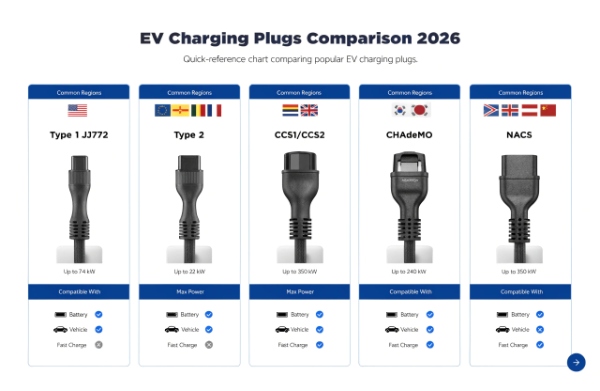
Common EV charging plugs in 2026 — know which one your car needs
Step-by-Step: How to Use Public EV Charging Stations Properly
Follow these steps for a smooth charging experience:
- Park correctly — Align your car’s charging port with the station cable.
- Check the station status — Look for green lights or app indicators showing it’s available.
- Connect the cable — Plug in firmly until it clicks. Some stations require app activation first.
- Start the session — Use the station’s touchscreen, app, or RFID card to begin charging.
- Monitor progress — Most apps show real-time charging speed and estimated completion time.
- Unplug safely — Stop the session in the app or on the screen before removing the cable.
Always return the cable neatly to its holder when finished. Good etiquette keeps stations working for everyone.
Smart Tips to Save Money, Charge Faster, and Stay Safe in 2026
Here are practical tips that experienced EV drivers use:
- Charge during off-peak hours — Many utilities and apps offer lower rates at night.
- Use apps to find the best stations — Check real-time availability and pricing before driving.
- Precondition your battery — Warm or cool the battery while plugged in at home to enable faster charging.
- Avoid blocking other drivers — Don’t leave your car longer than necessary once fully charged.
- Stay safe in bad weather — Most modern stations are weatherproof, but always use the cable handle and avoid standing in puddles.
Following these habits will make charging faster, cheaper, and safer. For reliable home backup, consider our EC01 Wall Charger or explore the full EV Charger Category.
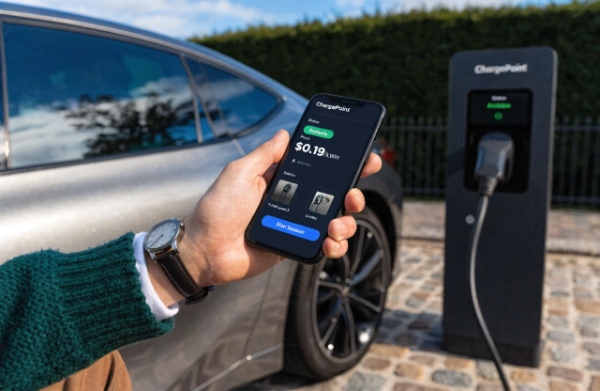
Smart apps help you find available stations and lower rates
Pro Tips for New EV Drivers: Build Good Charging Habits from Day One
Building good charging habits early saves time and money in the long run.
- Plan your routes around charging stops when taking long trips.
- Keep a portable Level 2 cable in your trunk for unexpected needs.
- Join loyalty programs at major charging networks for discounts.
- Regularly check your car’s software updates — they often improve charging efficiency.
The more comfortable you become with public charging, the more you’ll enjoy EV ownership.
Conclusion
Using EV charging stations doesn’t have to be complicated or stressful. With the right knowledge and a few good habits, charging can be fast, affordable, and hassle-free. Whether you’re a new EV driver or an experienced one, understanding plug types, station etiquette, cost-saving strategies, and safety tips will make every charge smoother and more enjoyable.
FAQ
What are the main types of EV charging stations (Level 1, Level 2, DC Fast Charging)?
Level 1 is slow home charging using a standard outlet. Level 2 is faster AC charging for home and public use. DC Fast Charging adds range quickly at highway stations.
What is the difference between Type 1, Type 2, CCS, CHAdeMO, and NACS plugs?
Type 1 and Type 2 are AC plugs. CCS and CHAdeMO are for DC fast charging. NACS (Tesla) is now widely adopted by many manufacturers.
How much does it cost to charge an EV at public stations?
Costs vary widely — from $0.20 to $0.60 per kWh depending on location, time, and network. Off-peak charging saves money.
Is it safe to charge my EV in the rain or extreme weather?
Yes. Modern charging stations are weatherproof and designed with safety features. Always use the cable handle properly.
What should I do if a charging station is not working?
Report it through the station’s app or network. Try another stall or station nearby.
How can new EV drivers avoid common charging mistakes?
Plan ahead using apps, know your plug type, precondition your battery, and practice good etiquette.

--- END ---
Related Posts
Industry News

Business Ideas

Business Ideas

Business Ideas


