

What is a Level 3 charger for electric vehicles?
Mar 25,2026
You run an EV fleet or manage public charging stations. Fast charging keeps vehicles moving. Slow chargers cause long waits, lost time, and frustrated drivers.
Level 3 chargers, also called DC fast chargers, deliver high-power direct current to electric vehicles. They add 60 to 300 miles of range in 20 to 60 minutes, making them ideal for highways, commercial fleets, and busy public networks.
What Are Level 3 Chargers?
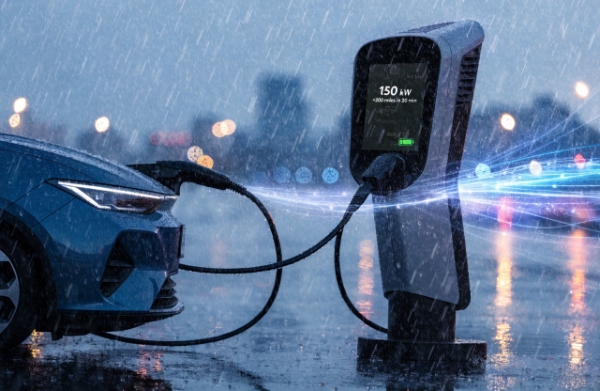
Level 3 chargers provide the fastest charging available today for electric vehicles. They use direct current (DC) at high voltage and power levels from 50 kW up to 350 kW or more. This bypasses the vehicle’s onboard converter, charging the battery much faster than AC Level 1 or Level 2 chargers.
Definition and Naming
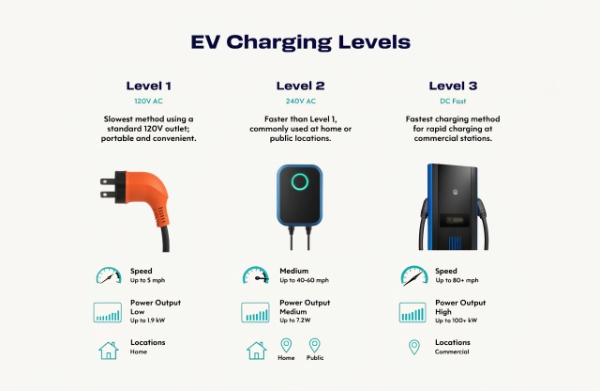
Level 3 chargers are also known as DC fast chargers or DCFC. The designation comes from SAE standards. Unlike Level 1 (120V AC) and Level 2 (240V AC), Level 3 uses off-board conversion to deliver DC power directly to the battery. Explore our full range of EV chargers to see Level 3 options that fit your network.
Power Levels Available
Level 3 stations start at 50 kW, adding roughly 100-150 miles in 30 minutes. Mid-range units reach 150-250 kW, while high-power models go up to 350 kW or 400 kW. Some systems test 1 MW for heavy-duty applications. Actual charging speed depends on the vehicle’s acceptance rate. Check out our DC fast EV charger for real-world 150 kW performance.
Common Locations
Level 3 chargers are commonly found on highways, travel centers, urban commercial areas, fleet depots, and retail locations. They are placed where quick charging boosts are needed most.
| Charging Level | Power Type | Typical Power | Range Added (30 min) | Best Use Case |
|---|---|---|---|---|
| Level 1 | AC | 1.4-1.9 kW | 5-15 miles | Overnight home |
| Level 2 | AC | 7-22 kW | 20-80 miles | Daily workplace/public |
| Level 3 | DC | 50-350+ kW | 60-250+ miles | Highway/quick commercial |
The Technology Behind Level 3 Chargers
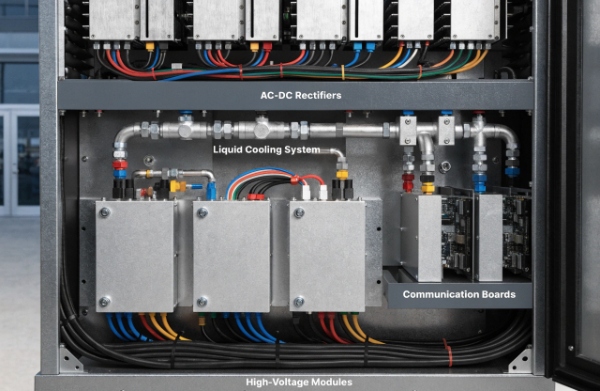
Level 3 chargers convert AC grid power to high-voltage DC outside the vehicle. They rely on advanced power electronics, cooling systems, and communication protocols for safe, rapid charging.
Power Conversion Process
The charger takes three-phase AC from the grid and converts it to DC using rectifiers. Voltage is boosted to 400-1000V to match the vehicle. Liquid cooling or forced air manages heat in high-power units.
Connector Standards
In North America, CCS1 and NACS are dominant. Europe primarily uses CCS2. Connectors carry high current and include pins for communication and safety.
Safety and Communication Features
Modern Level 3 chargers monitor battery temperature and state of charge, dynamically adjusting power. They support ISO 15118 for plug-and-charge and OCPP for remote monitoring and management.
Future Tech Improvements
Newer systems enable bidirectional vehicle-to-grid flow. Higher power levels and 800V architectures in premium EVs further reduce charging times.
| Component | Function | Key Benefit |
|---|---|---|
| AC-DC Rectifier | Converts grid AC to DC | Enables fast charging |
| DC-DC Converter | Adjusts voltage to match vehicle | Safe and efficient power |
| Cooling System | Manages heat from high power | Prevents failures, extends life |
| Communication Module | Talks to vehicle via CAN/PLC | Optimizes speed and safety |
| User Interface | Screen, app, payment | Easy public use |
How Do You Use Level 3 Chargers?
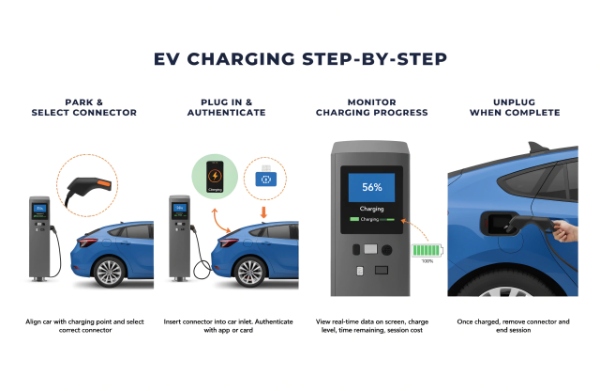
Using a Level 3 charger is straightforward. Park in the spot, connect the cable, authenticate, and charging begins automatically.
Step-by-Step Process
- Park in the designated spot and select the correct connector.
- Plug in firmly and authenticate via app, RFID card, or credit card (some support plug-and-charge).
- Monitor progress on the screen or vehicle display.
- Unplug once charging is complete.
Tips for Best Results
- Charge when the battery is between 20-30% for maximum power acceptance.
- Use Level 3 for quick top-ups rather than full charges.
- Check vehicle compatibility and maximum acceptance rate beforehand.
- Avoid frequent charging to 100% on DC fast chargers.
Common Issues and Fixes
- Poor connection: Reseat the plug.
- Cold weather: Preheat the battery if supported.
- Payment issues: Have multiple authentication methods ready.
How Much Does a Level 3 Charger Cost to Install and Operate?
Level 3 charger installation typically costs $50,000 to $150,000 per unit, including hardware, electrical upgrades, and permits. Operating costs average $0.30-$0.60 per kWh delivered.

Hardware Costs
A 150 kW dual-port unit ranges from $30,000 to $80,000. Higher power and liquid-cooled models cost more.
Installation Expenses
Electrical upgrades and grid connections often represent the largest expense ($20,000-$100,000+). Site preparation, foundations, permits, and inspections add $10,000-$40,000.
Ongoing Operating Costs
Electricity is the primary variable cost. Annual maintenance typically runs $1,000-$3,000 per unit, plus software subscriptions.
Ways to Reduce Costs
- Apply for government incentives, rebates, and grants.
- Choose modular, scalable designs.
- Partner with utilities for shared infrastructure. At Parwatt we offer complete workplace and fleet charging solutions that keep total costs down.
| Cost Category | Typical Range | Main Factors |
|---|---|---|
| Hardware | $30,000 – $100,000 | Power output, ports, cooling |
| Electrical Upgrades | $20,000 – $100,000+ | Grid connection, transformers |
| Site Work & Permits | $10,000 – $40,000 | Location, trenching, approvals |
| Annual Operation | $5,000 – $20,000+ | Energy, maintenance, software |
What Are the Benefits of Installing Level 3 Chargers?
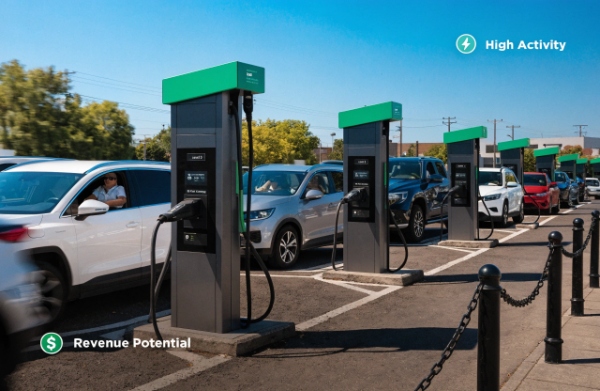
Level 3 chargers increase customer traffic, generate revenue, and improve fleet efficiency. They enable longer trips, reduce downtime, and demonstrate commitment to sustainable mobility.
Increased Accessibility and Convenience
Fast charging attracts more EV drivers to your location, especially on highways and at travel centers.
Revenue Generation
Premium pricing and high turnover create strong income streams for charge point operators. Additional opportunities exist through advertising and partnerships.
Operational Efficiency for Fleets
Vehicles spend less time idle and return to service faster, improving productivity and reducing required fleet size.
Brand and Compliance Advantages
Installing Level 3 chargers signals environmental leadership and helps meet regulatory requirements in many regions. For deeper insights, read our Level 2 vs Level 3 charging guide.
Conclusion
Level 3 chargers deliver the speed and reliability needed for commercial EV operations. While they require higher upfront investment, they provide significant advantages in efficiency, revenue, and user experience.
Ready to upgrade your EV charging infrastructure?
Ready to scale your EV charging business with reliable, smart chargers?
Seasonal demand is rising fast. Secure your premium EV charging stock today!
FAQ
What is the difference between Level 2 and Level 3 chargers?
Level 2 uses AC power and charges more slowly. Level 3 uses DC power and delivers much faster charging speeds.
Can all electric vehicles use Level 3 chargers?
Most modern EVs support DC fast charging. Always verify your vehicle’s maximum charge rate and connector type.
How long does it take to charge on a Level 3 charger?
Most vehicles reach 80% charge in 20-60 minutes, depending on battery size and charger power.
Are Level 3 chargers suitable for home use?
No. They require industrial-level electrical service and are designed for commercial and public applications.
Do Level 3 chargers damage the battery?
Occasional fast charging is safe for modern batteries. Frequent full fast charges to 100% may slightly reduce long-term battery lifespan.

--- END ---
Related Posts


Business Ideas

Business Ideas
